Vice-presidential candidate market: Prof Lely says Sultan a complete package to run with Prabowo
A political communication expert said Regional Representative Council (DPD RI) Chairman Sultan Bahtiar Najamudin is fit to become vice president alongside President Prabowo.

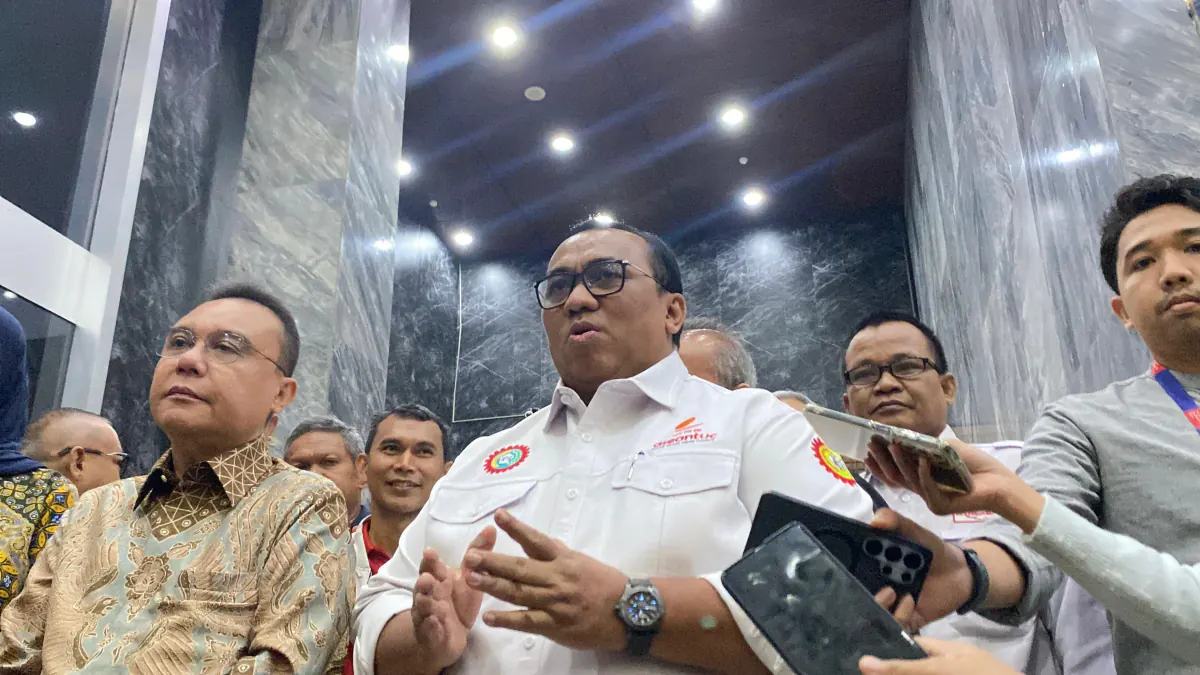
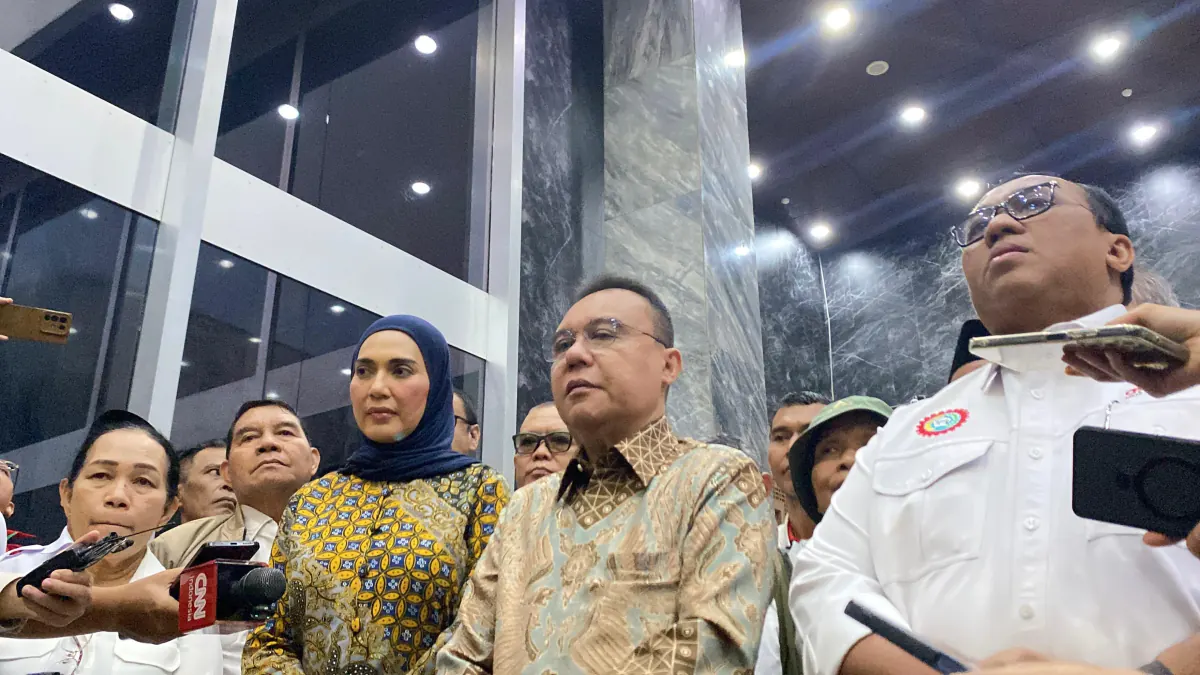
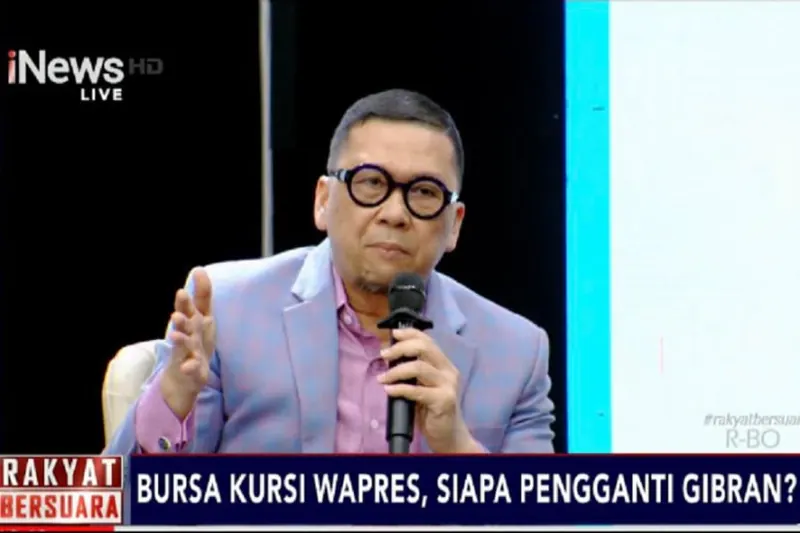
The name of Regional Representative Council (DPD RI) Chairman Sultan Bahtiar Najamudin has again surfaced as a candidate to replace Gibran as vice president. The assessment was made by political communication expert at LSPR Institute, Prof. Dr. Dra. Lely Arrianie, M.Si., to Jateng Pos on Monday, 16 November 2026. She said Sultan was a complete package if President Prabowo needed a running mate who was neutral, experienced in government and understood regional issues.
Gibran resigned as vice president on Thursday, 12 November 2026, after political pressure over the validity of the diploma used in his candidacy. The vacancy gives President Prabowo 14 days to submit two vice-presidential candidates to the People's Consultative Assembly (MPR), counted from the time the MPR schedules a session. The MPR then has 60 days to choose one of the two names to serve alongside Prabowo.
Lely said the vice-presidential position should next be filled by a figure who does not depend on party machinery but has a government track record. She said Sultan had experience as a member of the DPD RI, had served as a deputy governor and now led an institution that channels regional aspirations. According to the Jateng Pos report, she also said the name of Sufmi Dasco remained possible because of his closeness to Prabowo, although a combination of party and regional professional figures would be more colorful.
As for Puan Maharani, Lely said she faced a bigger challenge because she might not be accepted by all coalition parties. She stressed that the final choice remained in the president's hands.
Role of the DPD in vice-presidential succession
The Regional Representative Council is a body that represents provincial aspirations at the national level. Its members are elected through individual candidacy, not political parties, so it is often seen as a relatively non-partisan career path. In the MPR structure, the DPD RI forms part of the body authorized to choose a vice president when the office is vacant and the president submits two names.
Constitutionally, the MPR is tasked with choosing one of two vice-presidential candidates submitted by the president if the office falls vacant during a term. The rule came from amendments to the 1945 Constitution that sought to provide succession certainty without triggering government instability. In a presidential system, the president and vice president are elected as a pair, so filling the vice-presidential office mid-term requires political, legal and legitimacy considerations. The vice-presidential candidate market therefore is not only a coalition matter but also touches the legitimacy of state institutions and the mechanism for replacing an office.
The DPD RI also has limited authority in regional legislation. It can submit draft laws to the House of Representatives (DPR) and take part in deliberations on bills related to regional autonomy, central-regional relations, the establishment and expansion of regions, and natural resources. In practice, that role has made the DPD RI chair a figure often associated with decentralization and regional fiscal issues.
Experience as a regional head or DPD RI leader also matters because the vice presidency in Indonesia is not merely symbolic. Presidents often use the office to maintain political balance, oversee national programs and bridge communication with regions. For that reason, the term complete package in public discourse usually refers to a combination of neutrality, bureaucratic experience, closeness to the president and understanding of regional problems.
What regional publics should monitor
For readers in Indonesia, the vice-presidential candidate market is not simply palace drama. Prabowo's choice will shape policy directions that touch budget transfers to regions, infrastructure programs and the speed of central government responses to regional complaints. A vice president who understands regional issues can become an important political channel when regional heads face fiscal pressure or differences in priorities with ministries.
The public also needs to monitor whether candidates can genuinely bridge the center and the regions, rather than only balancing party interests. The 14-day period for the president and the 60-day period for the MPR set deadlines, but the quality of the choice will still depend on the candidates' ability to understand regional finance, public services and policy conflicts that often arise on the ground.
The complete package discourse should therefore be read as a demand that the vice presidency be filled by someone who can work, not merely a symbol. This is especially relevant while regional governments wait for clarity on national programs that depend on executive leadership. The impact will be most felt in the coordination of national programs, the disbursement of regional funds and the political stability that underpins the investment climate and public spending.