Golkar Sets Criteria for Prabowo's Vice-Presidential Pick: Loyal and Problem Solver
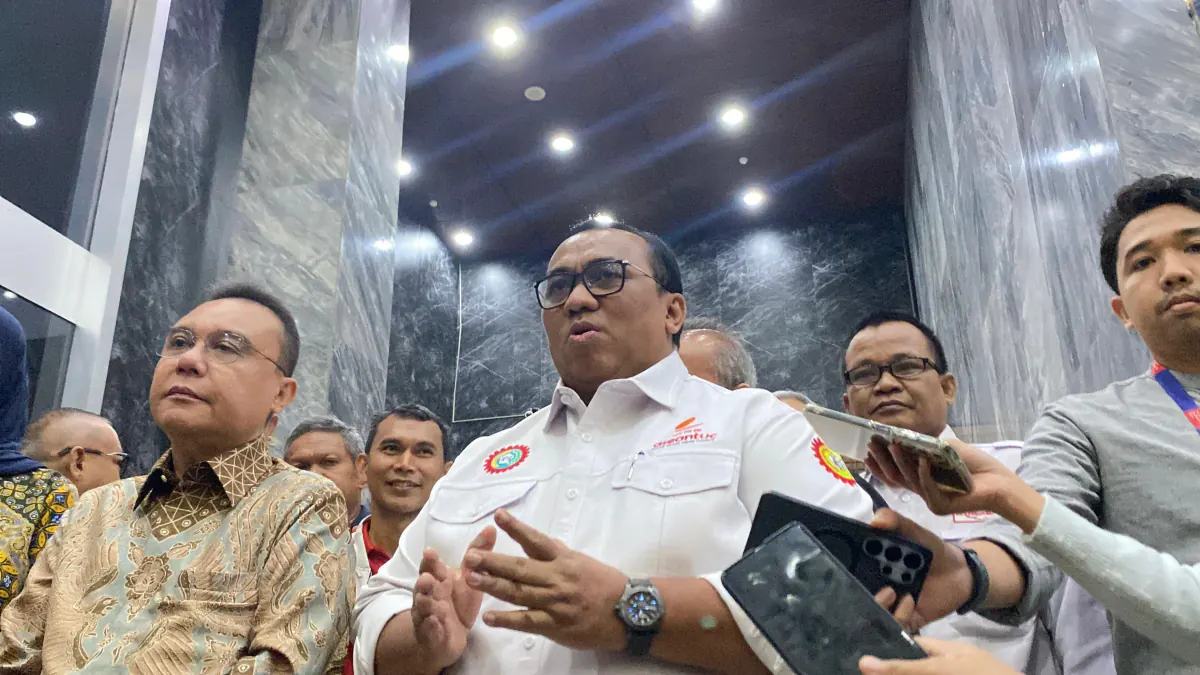
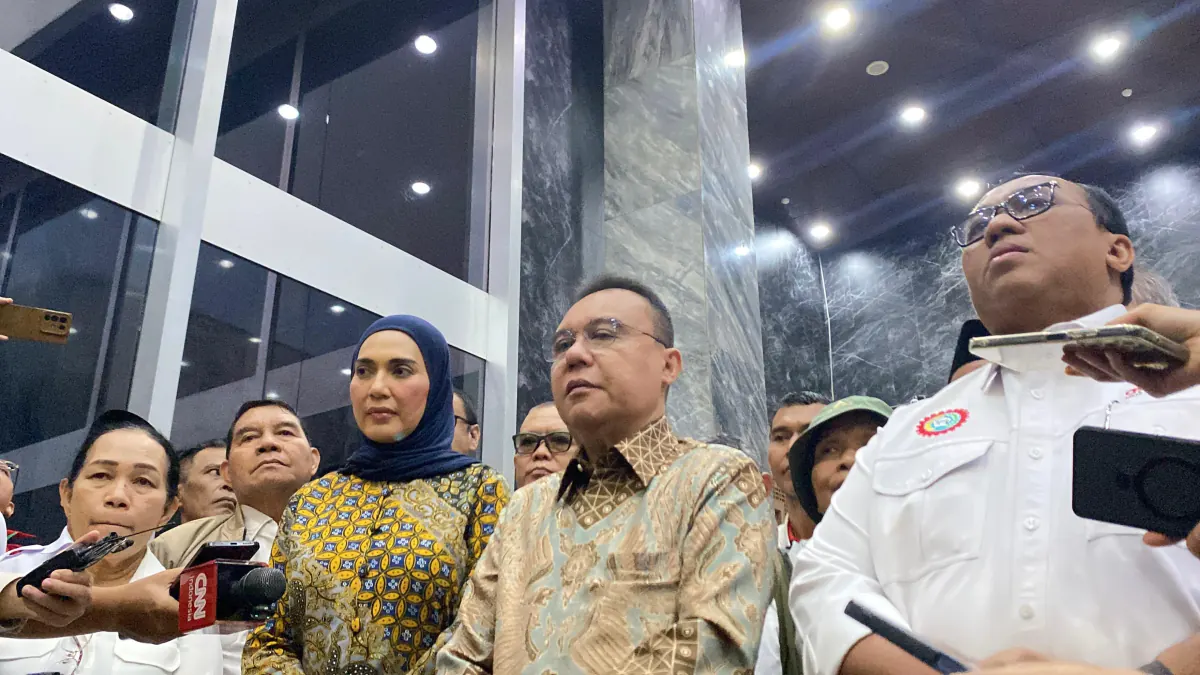
Golkar Deputy Chairman Ahmad Doli Kurnia said strong chemistry, loyalty and problem-solving ability are criteria for a vice-presidential candidate to accompany President Prabowo Subianto.
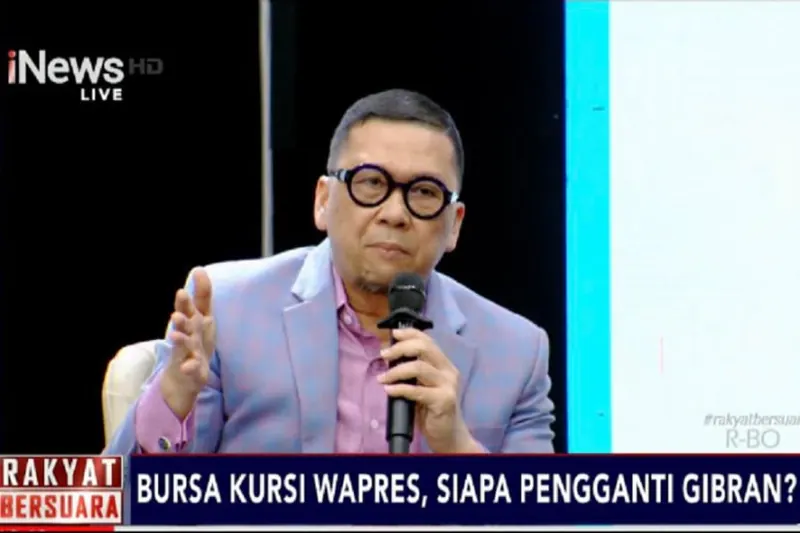
The Golkar Party on Tuesday, 17 November 2026, in Jakarta outlined criteria for a vice-presidential candidate to accompany President Prabowo Subianto, as reported by SINDOnews. The criteria emerged after the vice-presidential post became vacant when Gibran Rakabuming Raka resigned.
Ahmad Doli Kurnia, deputy chairman of the Golkar Party's central executive board (DPP), said the vice-presidential candidate must have strong chemistry with Prabowo, including a shared vision, mission, way of thinking and decision-making style. He also said the candidate must be loyal, dedicated and pose no risk of betrayal.
Doli added that the new vice president needed to be a problem solver who could give Prabowo additional energy to execute policies and address the nation's strategic problems.
Rules for Filling a Vice-Presidential Vacancy
The question of a vice-presidential candidate becomes a constitutional issue when the vice-presidential office is unfilled. In Indonesia's constitutional system, the president and vice president are elected as a single ticket in general elections. If one office becomes vacant because of death, resignation or dismissal, the 1945 Constitution provides a replacement mechanism to keep the government running. The mechanism matters because the vice president is part of a ticket chosen by the people.
For an empty vice-presidential seat, the president proposes candidates to the People's Consultative Assembly (MPR), and the MPR elects one of them within the constitutionally set deadline of 60 days. The MPR comprises members of the House of Representatives (DPR) and the Regional Representative Council (DPD), so the selection of a replacement vice president becomes a cross-institutional political test. Parties holding seats in the MPR can shape the direction of support, especially when the government needs additional legitimacy for its policy agenda.
In practice, the vice presidency is not merely symbolic. The vice president is expected to help the president coordinate programmes, maintain relations with parliament and dampen friction within the coalition. The term chemistry, often used in political discussions, refers to compatibility in working style, vision and trust among leaders. Without such compatibility, the division of duties can be disrupted and public messages to markets and the bureaucracy can become inconsistent. In a fast-changing economic and political environment, one voice in the presidential palace is a signal to investors, the bureaucracy and political parties.
Indonesia's political history also shows that vice-presidential choices often involve coalition calculations, regional background, voter bases and communication ability. A figure seen as a problem solver is usually chosen because the candidate can compensate for the president's weaknesses in specific areas, such as the economy, law, security or relations with elites. Yet the choice always carries political risk: if the vice president is perceived as too strong, concerns about rivalry arise; if too obedient, the role may be seen as adding no value. That is why loyalty is often described as a minimum requirement.
Implications for Policy Stability
For Indonesian readers, filling the vice-presidential post is not merely an elite affair. The vice president helps coordinate programmes touching the budget, public services and problem-solving in the regions. When the seat is vacant, the bureaucracy may work more slowly because major decisions await political legitimacy. Conversely, a new vice president who is compatible with the president can accelerate synchronisation among ministries and agencies. At the regional level, the vice president's presence can also affect the speed of resolving cross-ministry problems, such as social assistance distribution, disaster response or basic needs provision.
The most tangible impact usually appears in economic and social policy. Investors, businesses and financial institutions watch whether the government remains solid or whether competing interests emerge. If the vice-presidential selection proceeds in an orderly manner, markets tend to judge political risk as lower. But if prolonged debate emerges in the MPR, the public can bear indirect effects such as uncertainty over state spending, assistance programmes or infrastructure projects. Such uncertainty does not automatically change prices, but it can affect government spending decisions, private investment and budget absorption linked to employment.
What matters, therefore, is not only the candidate's name but also the capacity to perform internal oversight, communicate with parliament and coordinate across sectors. For the public, the most important signal is whether replacing the vice president produces a more effective government or adds political friction. The public has the right to scrutinise whether the constitutional mechanism is carried out on schedule and whether the chosen candidate truly has a relevant track record. This matters because public trust in the replacement process for high state offices will help determine the government's future legitimacy.
Related coverage
Prabowo guarantees scholarships for children of forest and land fire volunteers who died; Prabowo stresses national wealth must be enjoyed by the people; Prabowo asked to consider DPD leadership for vice president.