Vice president from core coalition seen averting 'twin suns'
A political observer at Diponegoro University says a vice president from the core coalition could reduce political friction, while non-party figures may be relevant to regional issues.

In national political discourse, Nur Hidayat Sardini, a political observer at Diponegoro University (Undip), said the vice presidential candidate to replace Gibran does not have to come from a political party. “The most important thing is to meet formal and constitutional requirements,” he told Jateng Pos on Monday (16 November 2026).
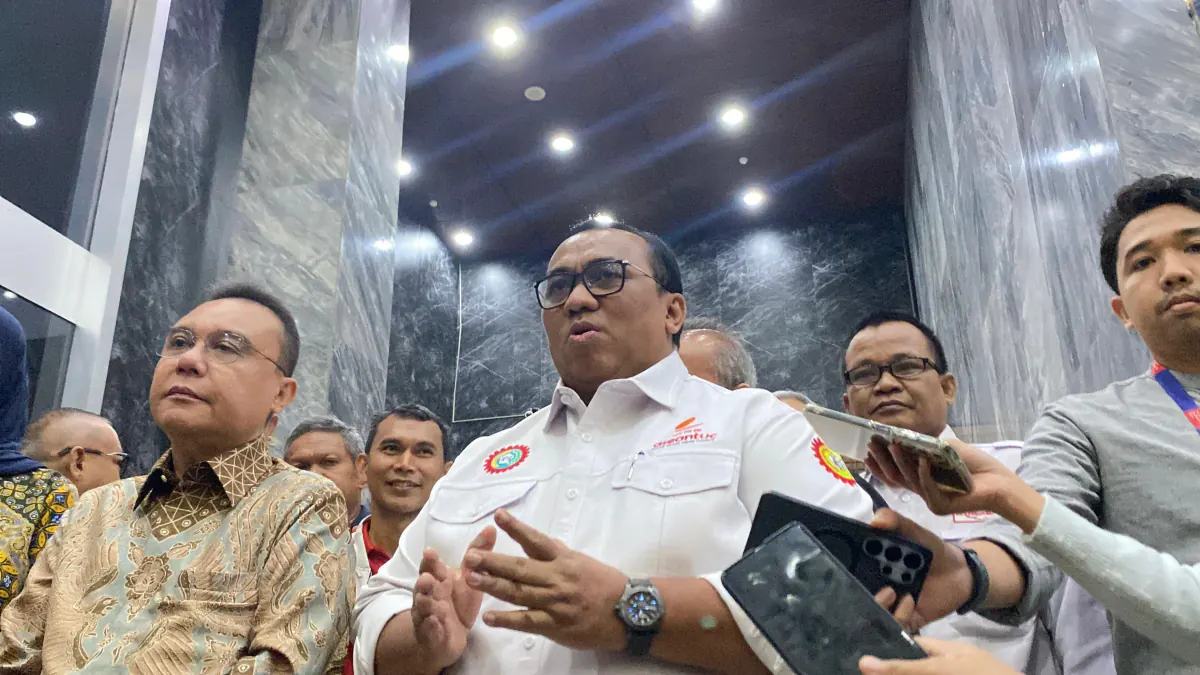
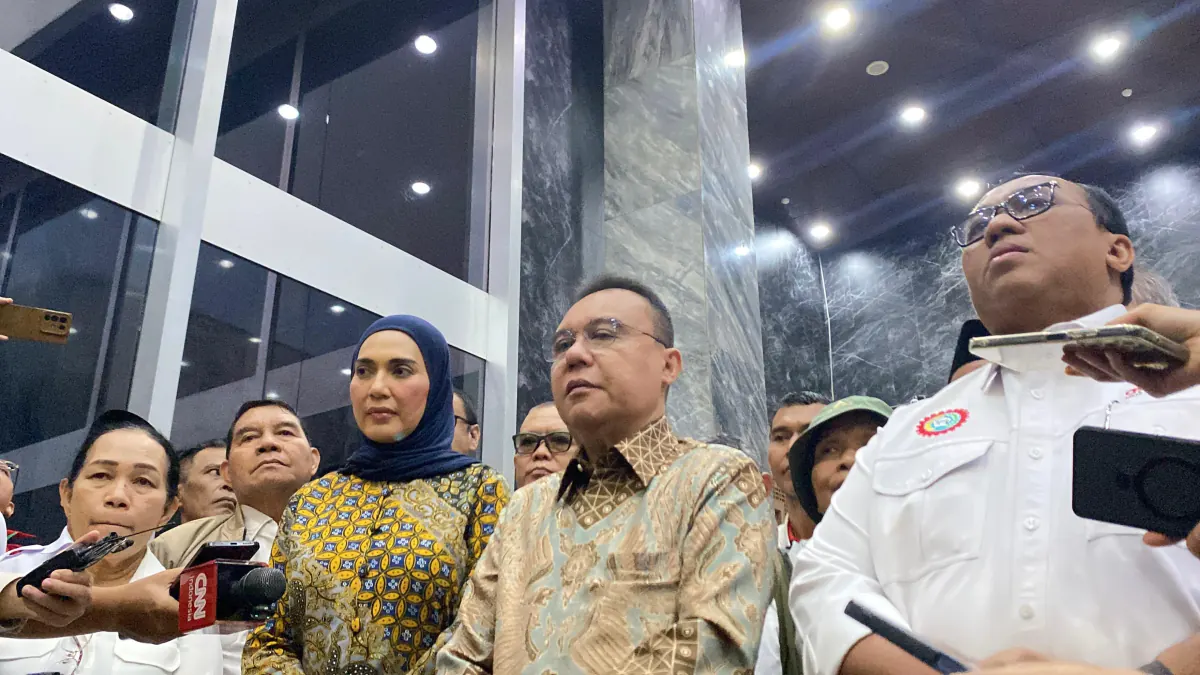
According to a Jateng Pos report, Nur Hidayat said the name of Sufmi Dasco Ahmad of the Great Indonesia Movement Party (Gerindra) had surfaced because he is a key figure in the pro-government coalition. Among supporters, Dasco is seen as having a leadership track record in the House of Representatives (DPR), coordination capacity and loyalty to President Prabowo.
He said party figures help coalition solidarity, while non-party figures are seen as freer from narrow partisan interests.
He assessed that a vice president from the same party or the core coalition could minimize the potential for “twin suns” and maintain program alignment. However, criticism could arise because the executive would be dominated by one political color.
Nur Hidayat also saw non-partisan figures from the Regional Representative Council (DPD) or regional leaders as a rational idea, especially for issues of regional financial transfers, land conflicts and the environment. The challenge would be political support in parliament.
The vice president's role in a presidential system
Indonesia uses a presidential system. The president is both head of state and head of government, while the vice president assists the president and can take over if the presidency becomes vacant. The vice president is therefore not merely a symbol but part of the architecture of executive power. In political practice, selecting a vice president is also a tool to stitch together coalitions, accommodate regions or cover the electoral weaknesses of a candidate pair. As a result, any replacement or filling of the vice presidency is always read by the public as a signal of the government's direction.
The phrase “twin suns” is usually used to describe two competing centers of power within one government. In the context of a president and vice president, it refers to potential friction when both have equally strong political bases, ambitions or support. A vice president from the core coalition is therefore often seen as safer for the president, because loyalty and work direction are easier to manage. The president may divide certain tasks, but authority remains attached to the presidency.
By contrast, non-partisan figures or technocrats are seen as able to bring specific expertise without carrying the burden of internal party conflict. In Indonesia's history, the vice presidency has been held by senior politicians and non-party figures, so a vice president's background can shape working style, access to party networks and public perceptions of the balance of power and market confidence. In a multiparty system, however, the vice president still needs political legitimacy in parliament. The vice president is elected together with the president by the people, but government programs depend on cooperation with the DPR and the DPD. Without legislative support, the executive can stall when discussing the budget, laws or strategic policies.
The DPD itself is not a substitute for political parties in the regions. The body represents regional interests, but its powers are more limited than the DPR's, especially in legislation. The idea of placing a regional figure in the vice presidency is therefore attractive on policy grounds, but it still needs to be tested by political capacity, party acceptance and the ability to maintain government stability. Without those, the vice presidency risks becoming ceremonial. The vice presidential race is thus always a test between government efficiency and the need for representation.
Impact on policy and regional services
For readers in the regions, the choice of vice president is not merely an elite matter. The vice president can affect the speed of policy coordination, especially when issues involve regional financial transfers, infrastructure, energy, food and the environment. If the vice president comes from the core coalition, the president's programs could be executed faster because political communication channels are shorter. But the space for criticism could narrow if the executive is dominated by one political color.
Conversely, a non-partisan vice president or regional figure can act as a bridge when the central government needs to defuse land conflicts, improve regional budget governance or handle environmental issues. For the public, the impact can be felt in public services, project certainty and the business climate that affects prices and jobs. What needs attention is therefore not only the name, but also the division of tasks, oversight mechanisms and the vice president's ability to work with the DPR, the DPD and regional governments.
If this discourse stops at electoral calculation, the public will still wait for clarity on the issues the vice president will handle. Transparency about tasks, targets and coordination channels will determine whether the post truly adds to government effectiveness or merely completes a list of power.
Related coverage
- John Pieris' four conditions for a vice president to replace Gibran
- Legal expert: four conditions for a vice president to replace Gibran, Sultan on radar
- National Cyber and Crypto Agency (BSSN) formalises Central Java's Forkomsanda to counter cyber threats