KSPSI Wea says labour coalition remains loyal to constitution
Andi Gani, president of KSPSI Wea, said the Koalisi Besar Perjuangan Buruh Indonesia remains loyal to the constitution and the legitimate government, and welcomed DPR support for a labour protection law.
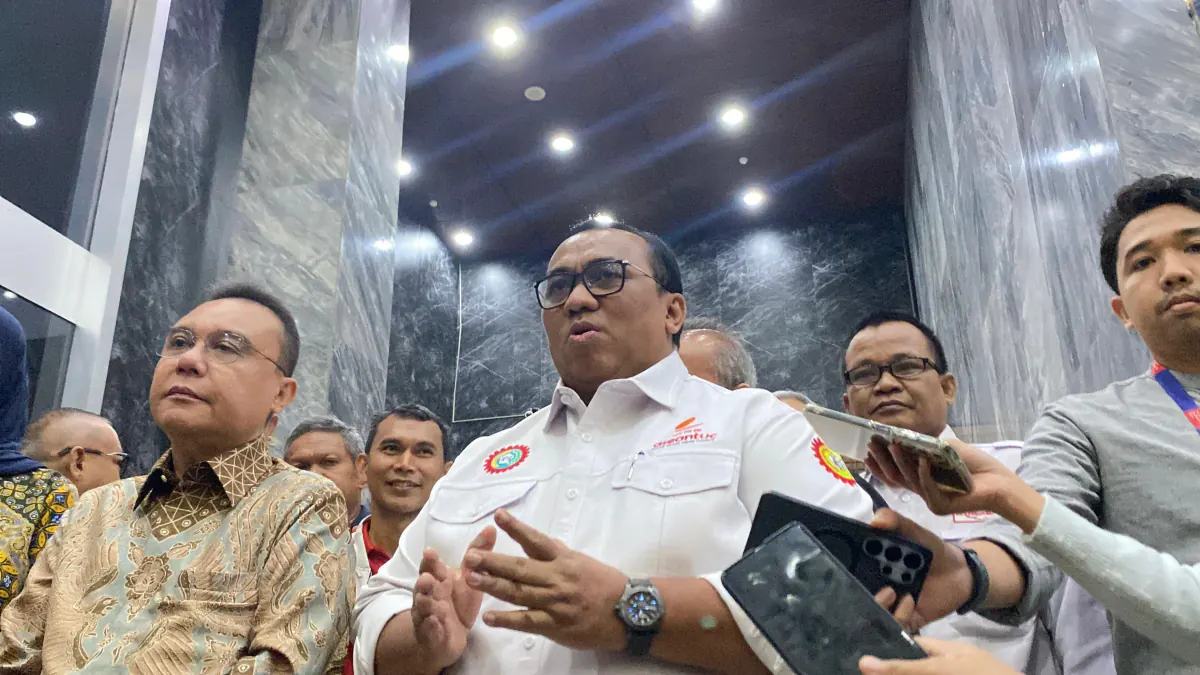
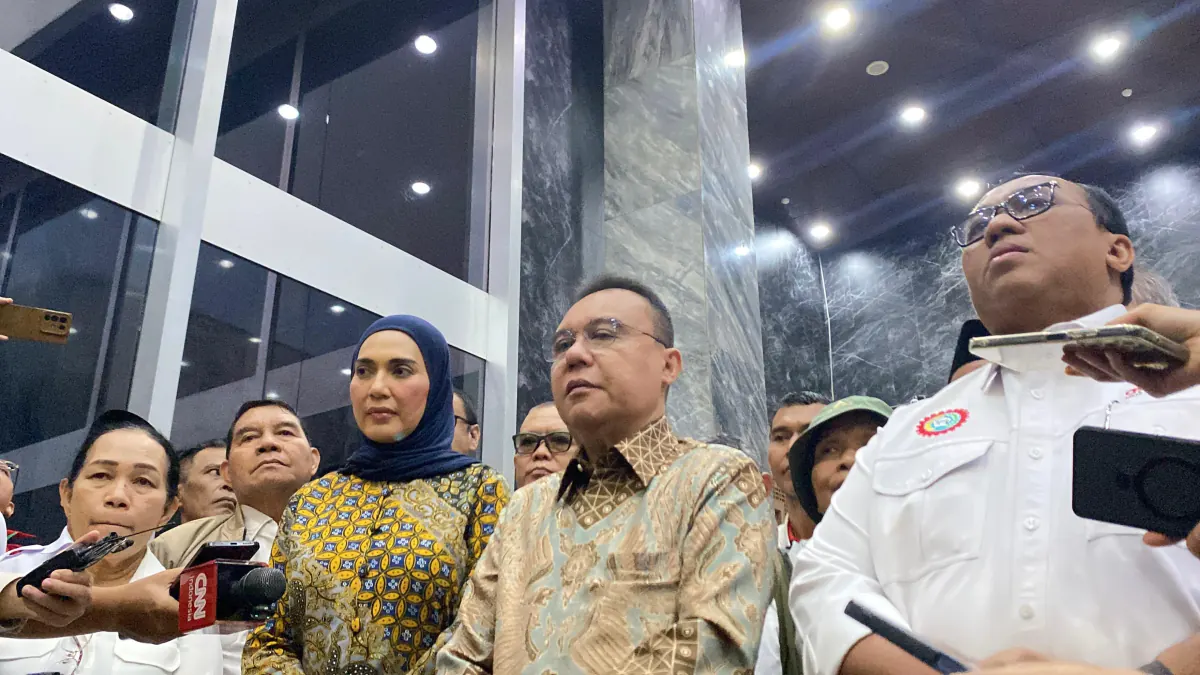
Andi Gani, president of KSPSI Wea, a faction of the Konfederasi Serikat Pekerja Seluruh Indonesia (KSPSI), the All-Indonesia Workers' Union Confederation, said the Koalisi Besar Perjuangan Buruh Indonesia (Grand Coalition of Indonesian Labour Struggle) remains loyal to the constitution and the legitimate government. He made the statement at the Kompleks Parlemen Senayan in Jakarta, on Wednesday, 18 November 2026, to dismiss social media accusations that the labour movement would disturb President Prabowo.
According to Radio Republik Indonesia (RRI), Andi said the labour movement had never intended to take actions harmful to the state. He appreciated Deputy Speaker of the House of Representatives (DPR RI) Sufmi Dasco Ahmad and the DPR leadership for supporting the formation of the Pelindungan Ketenagakerjaan (labour protection) law being discussed with workers. Andi said the coalition represented about 90 percent of the labour movement.
Role of labour confederations in industrial relations
Indonesia has a long tradition of workers' organisations. KSPSI, the All-Indonesia Workers' Union Confederation, is one of the best-known labour umbrella organisations. In its history, KSPSI has split into several factions, each claiming its own leadership, giving rise to labels such as KSPSI Wea, led by Andi Gani. This fragmentation is common in Indonesia's trade union movement and shapes how the government and employers view the legitimacy of workers' representatives.
Labour's position toward the state is always dynamic. On one hand, trade unions serve as dialogue partners in setting labour policy, for example through tripartite forums that bring together the government, employer organisations and trade unions. On the other hand, mass actions and strikes become bargaining tools when negotiations reach an impasse. Hari Buruh Internasional (International Workers' Day), observed every 1 May, is an annual moment for the labour movement to voice demands, from wages and social security to rejection of regulations seen as harmful.
Recently, industrial relations discourse in Indonesia has been heavily overshadowed by revisions to labour rules. Law No. 13 of 2003 on Labour (Undang-Undang Nomor 13 Tahun 2003 tentang Ketenagakerjaan) was partially amended through the Job Creation Law (Undang-Undang Cipta Kerja), triggering support and opposition among workers. Discussions on a new bill on labour protection are often crucial because they touch on substance such as severance pay, working hours, outsourcing and mechanisms for terminating employment. The involvement of trade unions in the legislative process marks whether the policies that emerge genuinely take workers' voices into account.
In that context, Andi Gani's statement about loyalty to the constitution and government can be read as an effort to keep the space for dialogue open. When accusations of disturbing the president appeared on social media, a swift response from the confederation leader served to dampen speculation and affirm that the labour movement chose a constitutional path to express its aspirations.
Stability of labour relations for workers and business
For workers in Indonesia, the labour confederation's choice of a constitutional path means there is certainty that aspirations will be channelled through negotiation rather than through friction that could disrupt the economy. Stability in industrial relations strongly shapes the investment climate and job creation. When trade unions and the government are suspicious of each other, companies tend to hold back expansion, while workers lose bargaining power in negotiations over wages and working conditions.
Going forward, what needs to be watched is whether discussions on the Pelindungan Ketenagakerjaan (labour protection) law genuinely include substantive input from workers, not just formality. Readers should scrutinise articles governing severance pay, outsourcing, working hours and protection for contract workers, because those provisions will directly affect the income and job security of millions of people. Andi Gani's appreciation for the DPR can be a positive signal, but implementation still needs to be monitored so it does not stop at rhetoric.
The wider public is also affected. Stable industrial relations maintain company productivity, keeping prices of goods and services under control. Conversely, prolonged labour conflicts can trigger labour shortages in certain sectors or higher production costs that are ultimately passed on to consumers. Therefore, the KSPSI Wea statement is not only about labour politics, but part of an economic ecosystem that touches everyday life.