Dasco Urges Labour Coalition to Focus on Workers' Welfare
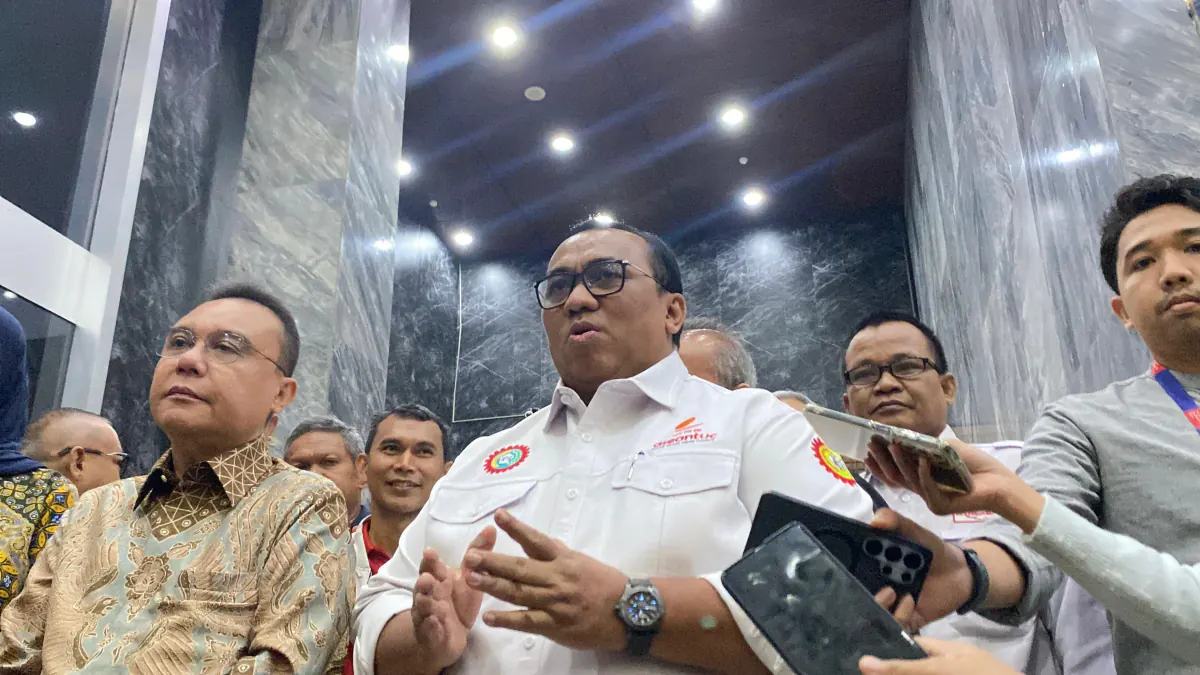
Deputy Speaker Sufmi Dasco Ahmad asked the Koalisi Besar Perjuangan Buruh Indonesia to focus on workers' welfare, protection and advocacy.
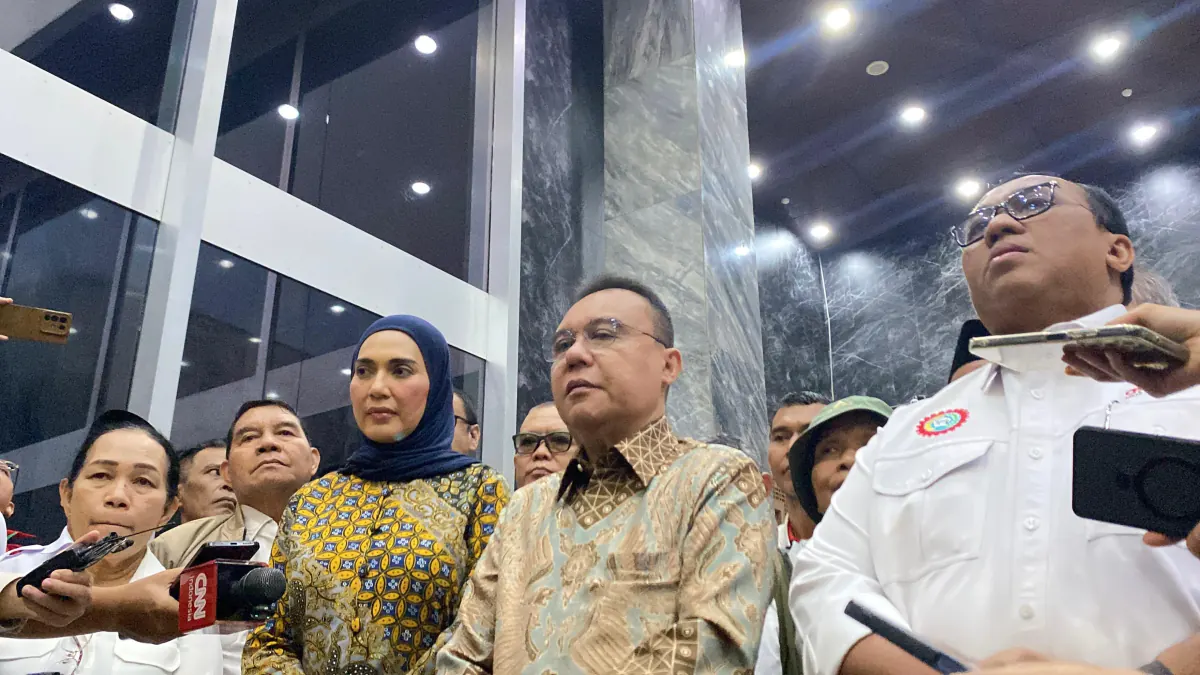
Deputy Speaker of Indonesia's House of Representatives (DPR) Sufmi Dasco Ahmad has asked the Koalisi Besar Perjuangan Buruh Indonesia, a major labour coalition, to keep its focus on workers' welfare, labour protection and advocacy on employment issues, according to a report by Radio Republik Indonesia (RRI). Dasco made the remarks after DPR leaders received representatives of the coalition at the Parliamentary Complex in Jakarta on Wednesday, 17 November 2026.
According to RRI, Dasco urged more intensive communication among the DPR, the government, workers and employers to improve economic conditions. He also reminded labour organisations not to be swayed by social media narratives or issues. The coalition expressed appreciation for the enactment of the Labour Protection Law, Number 27 of 2026.
The roots of social dialogue in labour policy
Labour relations in Indonesia are shaped not only by contracts between companies and workers, but also by social dialogue among the government, workers' organisations and employers' organisations. Such mechanisms matter because labour policy affects two sides at once: workers' rights and business sustainability. When communication works well, new rules are easier to understand, implement and supervise. When it breaks down, misunderstandings can appear in factories, offices and the informal sector.
The DPR has legislative, budgetary and oversight functions. On labour issues, those roles can include deliberating bills, absorbing input from trade unions and employer associations, and monitoring the implementation of enacted policies. Meetings between DPR leaders and labour groups are therefore often read as a political channel connecting workers' aspirations with policymaking. Not every meeting directly changes the rules, but it can provide space for clarification, problem-solving and sharper oversight priorities.
For workers, the fight for welfare often concerns basics: decent wages, certainty over working hours, workplace safety, social security, protection from dismissal and access to advocacy when disputes arise. For employers, the same issues touch production costs, productivity, legal certainty and the investment climate. Focused, measured labour advocacy is therefore more likely to be effective than pressure driven mainly by virality. Resolving labour disputes generally requires evidence, procedure and dialogue, not just social media narratives.
A large labour coalition also faces organisational challenges. The more groups it includes, the more important it is to keep the agenda from drifting into symbols, side issues or debates that are hard to measure. A focus on welfare, protection and advocacy makes the coalition's performance easier to assess: whether cases are resolved, whether rules become clearer and whether workers on the ground feel change. In labour politics, a consistent message is usually more valuable than a noisy one that leads nowhere. If dialogue channels are used, viral issues can be put in their proper place: as triggers for scrutiny, not substitutes for process. That way, workers are not only talked about, but can also obtain traceable resolution.
What it means for workers and employers
For Indonesian readers, the meeting between the DPR and the labour coalition matters because it concerns the certainty of rules affecting wages, working hours, dismissal and social security services. If intensive communication is genuinely carried out, workers may gain clearer channels when their rights are violated. Employers may also gain space to raise cost burdens and productivity needs before policies are supervised or updated.
The impact will not be automatic. New rules, including labour laws, still require socialisation, supervision and fast dispute-resolution mechanisms. Workers need to watch whether information about their rights reaches the workplace, whether unions or advocacy groups can assist cases, and whether local governments set up functioning complaint channels. Employers need to ensure internal policies do not conflict with prevailing rules. For informal workers, the benefit may be simpler: whether existing rules actually protect them from wage cuts, workplace accidents and dismissal without certainty.
Going forward, the follow-up to the communication commitment will need to be watched: whether there are regular meetings, open case data and joint evaluations among the DPR, the government, workers and employers. Without that, statements about focusing on labour welfare risk becoming political messaging that does not change daily working conditions. If periodic reports are produced, the public can assess whether advocacy advances or stops at ceremony.
Related news
- Lalu Hadrian Calls for School Revitalisation to Prioritise 3T (underdeveloped, frontier and outermost) Areas
- Prabowo Calls for Controlled Food Inflation and Prices Farmers Can Enjoy
- Government Launches Three Blue Carbon Projects at COP31