Taufan Pawe Asks Academics to Draft National and Local Election Transition Scheme
Taufan Pawe pushes academics to formulate a transition scheme for national and local elections, including DPRD terms and acting regional heads.
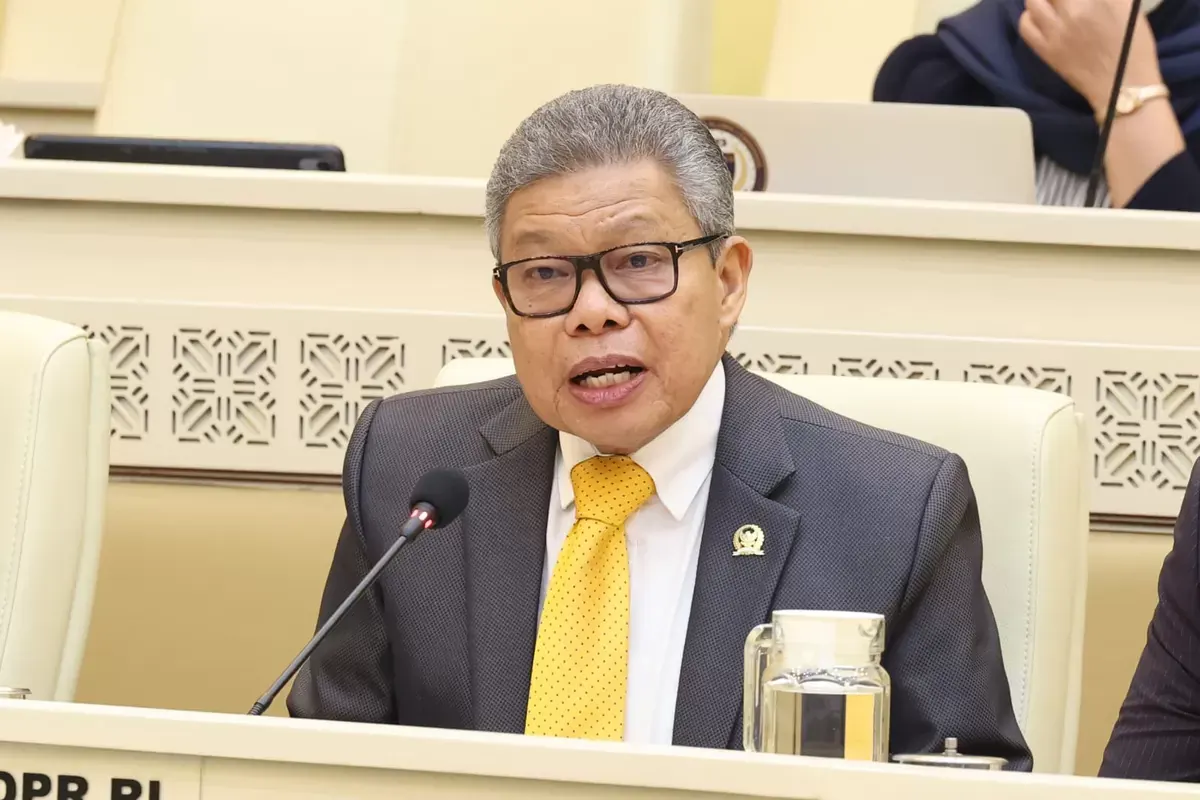
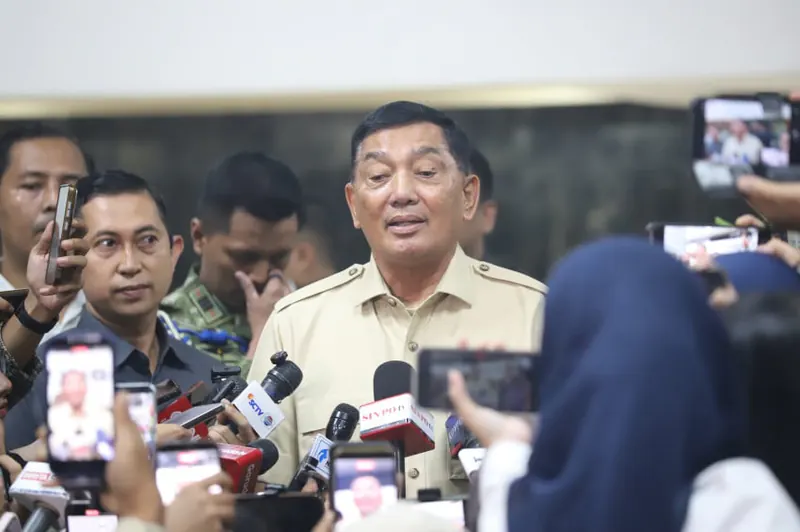
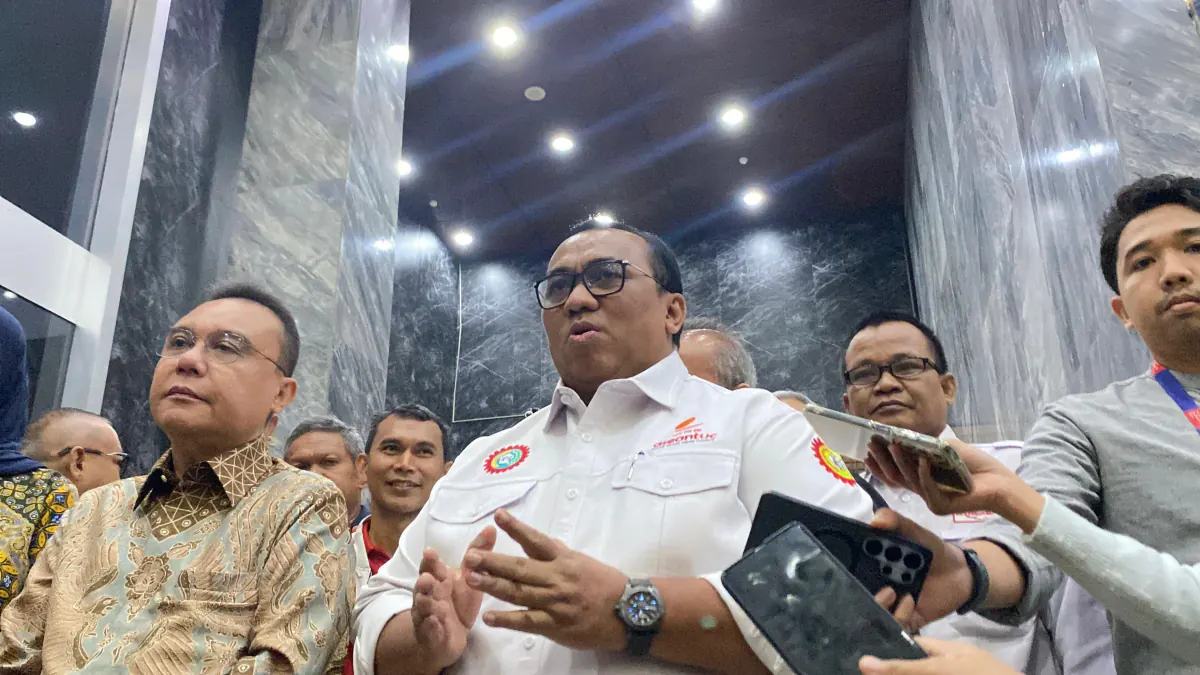
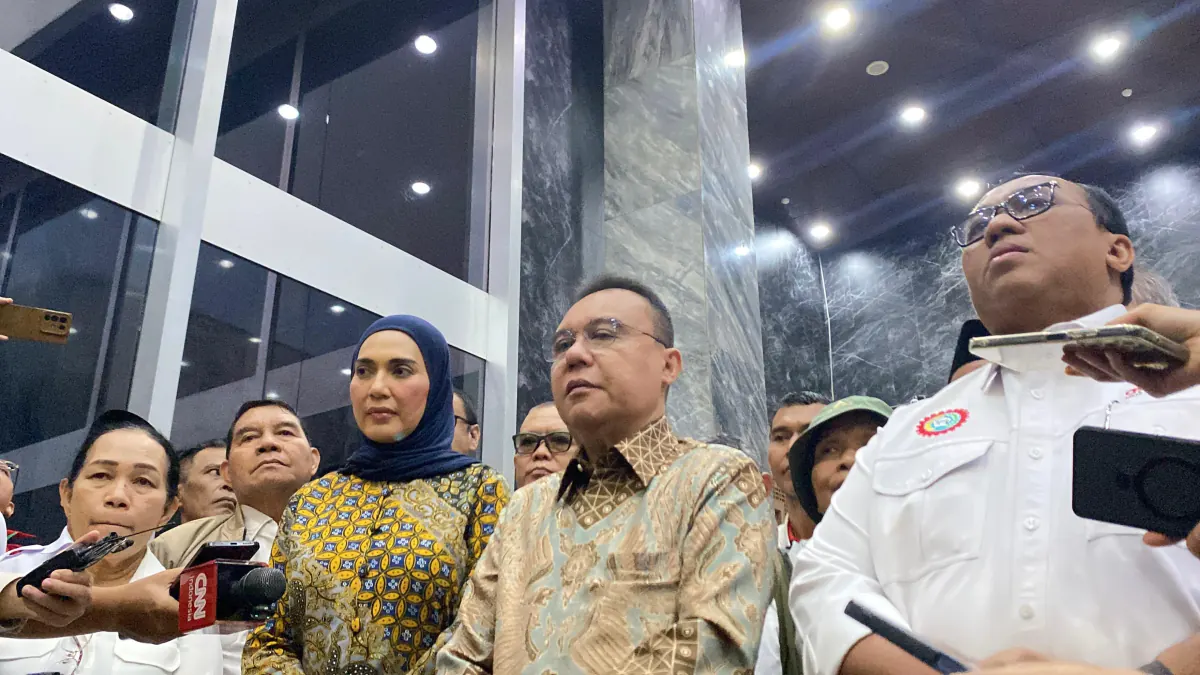
Taufan Pawe, a member of Commission II of the House of Representatives (DPR RI), asked academics to draft a transition scheme for national and local elections in the Election Law bill (RUU Pemilu), as reported by BeritaParlemen on Thursday, 12 November 2026, in Jakarta.
The Golkar Party politician said the separation of national and local elections under a Constitutional Court (Mahkamah Konstitusi) ruling still leaves unresolved issues. Under the scheme under discussion, national elections are planned for 2029 while local elections are planned for 2031.
The gap raises questions about the terms of elected members of provincial and regency or city legislative councils (DPRD). Taufan asked whether their terms should be extended or whether a transitional election should be held. He said every option must consider budget efficiency and legal certainty.
According to the BeritaParlemen report, he also highlighted the need to fill acting regional head positions in a way that does not disturb independence and the quality of democracy. He stressed that the bill must be in line with the 1945 Constitution (UUD 1945) and the Constitutional Court ruling. “This is our pattern that must not be ignored,” he said. He asked for academic recommendations that can be translated into statutory norms.
What Separating Election Schedules Means
In Indonesia's constitutional system, election schedules are not only about voting dates but also about the legitimacy of public office. Members of the House of Representatives (DPR), the Regional Representative Council (DPD), regional legislative councils (DPRD), and regional heads receive mandates from voters for a fixed period. When national and regional voting are separated, a time gap emerges that must be filled with transition rules to prevent a leadership vacuum or overlapping authority. Transition rules must also answer who has the authority to set the schedule, how long terms run and how accountability is carried out.
Commission II of the House of Representatives (DPR RI) plays a central role in deliberating the Election Law bill (RUU Pemilu) because its portfolio covers home affairs, regional autonomy, the state apparatus and elections. In this context, academic input is often used to test whether drafted norms are administratively realistic, politically fair and legally safe. Reconstructing the election system usually touches on thresholds, simultaneity, campaign schedules and mid-term replacement mechanisms.
Constitutional Court rulings are binding and can change an election design previously set out in statute. Therefore, every separation of schedules must be read as a constitutional command that requires article-by-article adjustment. Without a clear transition period, extending DPRD terms or appointing acting regional heads could trigger legal disputes, especially over the basis of legitimacy and the limits of authority.
Indonesia's electoral history shows that schedule changes often affect the workload of election organisers, regional budgets and political parties' readiness. More separated elections can reduce technical pressure on a single voting day, but also add campaign cycles, logistics and oversight. On the other hand, gaps between regions mean voters must wait longer to re-elect local representatives, so the transition design determines whether the separation strengthens or weakens accountability. Therefore, assessments of budget efficiency and legal certainty are two interrelated benchmarks. Transition norms also need to consider bureaucratic capacity and public trust. Without adequate explanation, the public may misinterpret term extensions as a delay to democracy.
Impact on the Public and the Regions
For voters, the transition scheme determines when they can again elect local representatives and regional heads. If DPRD terms are extended, residents must accept the same representation for longer without a new mandate. If a transitional election is held, costs and political energy increase, but vacancies can be addressed more quickly. Election organisers must also recalculate the readiness of voter lists and the distribution of logistics.
For regional governments, acting regional heads filling the transition period can affect budget priorities, public services and coordination with the DPRD. Offices that do not originate from elections usually have more limited legitimacy, so strategic policies such as regional spending, official transfers or infrastructure projects need stricter oversight. Political parties also need to prepare cadres and internal mechanisms so that the transition does not depend on appointments questioned by the public.
Therefore, the public needs to pay attention to the final formulation of the Election Law bill, especially articles on terms of office, extensions, mid-term replacement and the filling of acting posts. Well-drafted transition rules can preserve legal certainty and budget efficiency. Conversely, vague rules risk lawsuits, uncertainty in public services and declining trust in the democratic process. Voters can also monitor whether the new schedule still allows room for regional parliamentary oversight. Transparency in parliamentary deliberations can help the public assess whether schedule changes truly serve democracy rather than merely accommodating elites.