Sjafrie Says Vice-Presidential Candidate Not Discussed in Meeting with Dasco
Defense Minister Sjafrie Sjamsoeddin says his closed-door meeting with Deputy House Speaker Sufmi Dasco Ahmad did not discuss vice-presidential candidates.
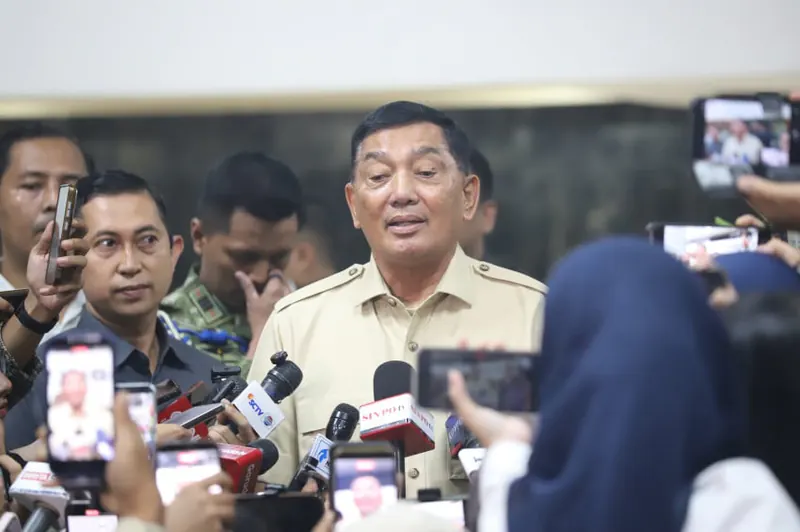
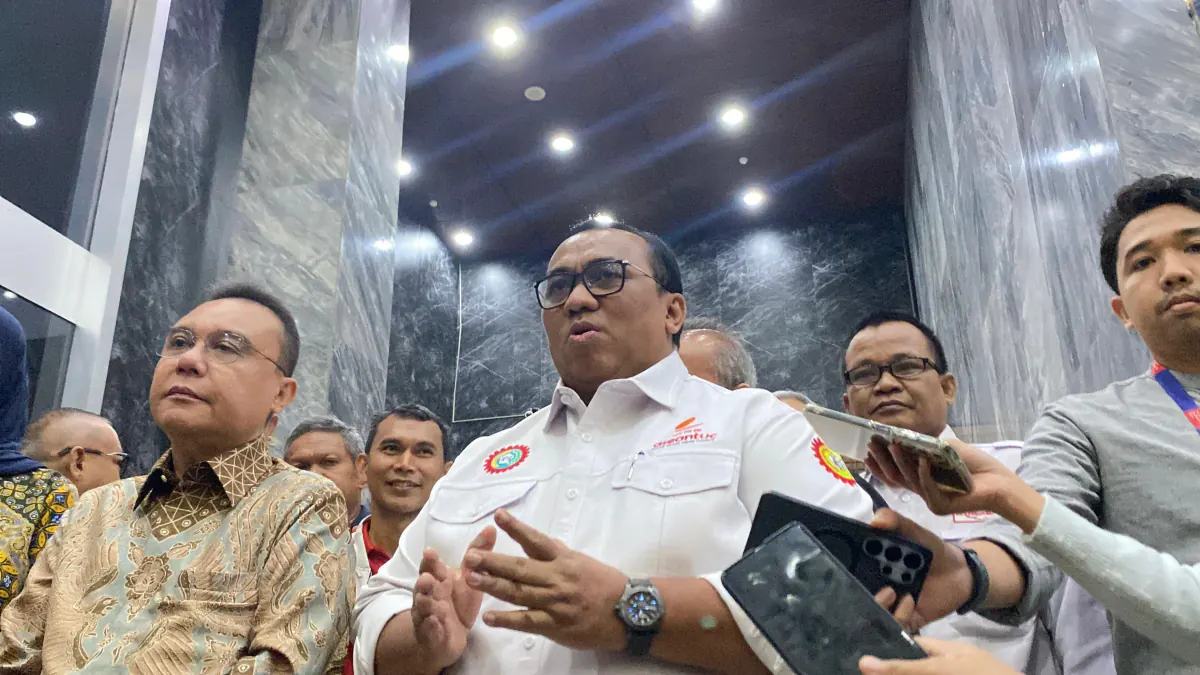
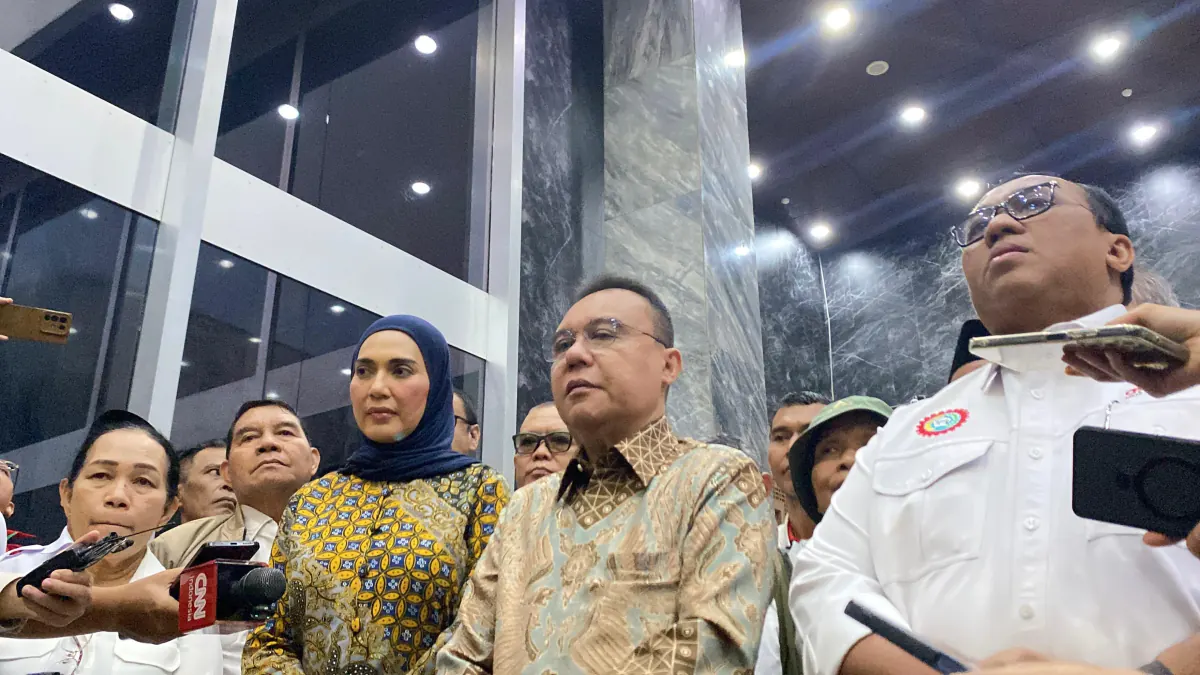
Defense Minister Sjafrie Sjamsoeddin said he did not discuss the issue of a vice-presidential candidate when he met Deputy Speaker of the House of Representatives (DPR) Sufmi Dasco Ahmad at the parliamentary complex in Senayan, Jakarta, on Thursday, 19 November 2026. According to a report by the Indonesian news outlet SINDOnews, Sjafrie made the statement after the closed-door meeting.
Sjafrie said the talks concerned only defense duties, including communication with the chair of Commission I of the House of Representatives, which oversees defense, foreign affairs and information. “There was no discussion about that,” he said. The meeting came as Dasco’s name entered speculation over vice-presidential candidates after Gibran Rakabuming Raka stopped serving as vice president on 12 November 2026. The People’s Consultative Assembly (MPR) set a deadline of 25 November 2026 for President Prabowo Subianto to submit two names, with the assembly to choose a vice president on 9 December 2026.
How a Vice-Presidential Vacancy Is Filled
Under Indonesia’s constitutional system, the vice presidency is part of a ticket elected by the people. If the office falls vacant before the term ends, the constitution allows the president to submit a replacement candidate to the MPR. The assembly then chooses from the names proposed. The rule means filling the post is not left entirely to one party or one elite circle, because a national representative institution remains involved. The process also demands public accountability, since the chosen candidate will help steer the government for the remainder of the term.
The Indonesian term “bursa cawapres,” or vice-presidential candidate market, in political reporting usually refers to a list of names said to have a chance of being proposed or backed. The list can change because of political decisions, interparty negotiations, electoral calculations and government needs. As a result, meetings between executive officials and legislative leaders are often read by the public as signals, even when participants deny discussing the post. The public generally waits for clarity on who has the authority to propose names, who approves them and where supporting parties stand.
Sjafrie’s role as defense minister also needs to be read in the context of defense functions. The defense minister assists the president in carrying out defense policy, while the House of Representatives, particularly Commission I, exercises oversight and legislates on defense, foreign affairs and information. A closed-door meeting can be part of routine coordination, but when it overlaps with a political appointment, the line between official coordination and political communication becomes hard to draw in public eyes.
The MPR, meanwhile, holds the formal role of choosing a vice-presidential replacement. The deadline for submitting names and the announced voting schedule show the process is running under constitutional time limits. Because an elected replacement normally serves the remainder of the term, the decision will also affect the political balance of the government in power. Sjafrie’s denial is therefore important to keep the defense agenda separate from office maneuvering.
What It Means for the Public and Parliament
For readers, the story touches more on political process than on immediate household effects. Yet filling the vice presidency can affect government coordination, especially when defense, security and relations between parliament and the executive are active. If the post is filled quickly, the policy agenda may become more stable; if it drags on, the public may see a wider space for political bargaining. The public will also feel the impact in the speed of policy responses when regional security issues or cross-agency needs demand quick decisions.
What needs to be watched is whether meetings in Senayan are truly about official duties or are part of political communication. Sjafrie’s clarification helps limit speculation, but readers still need to wait for official statements from the parties authorized to propose names and from the institution that will choose. On a high office, one side’s explanation is not enough to confirm the direction of a decision. Media and civil society can monitor whether the schedule set by the MPR is met, because deadlines show the process is not mere talk.
For voters, the indirect impact is seen in the quality of oversight. A vice president chosen by the MPR will work with a mandate for the remainder of the term, while the House of Representatives scrutinizes government programs and budgets. The more open the nomination process and the clearer the considerations behind it, the easier it becomes for the public to judge whether filling the office strengthens the government or simply reshuffles political power. In that sense, the story is a reminder that high state offices are not only about names, but also about legitimacy, coordination and accountability.
Related coverage
Fahira Idris backs Sufmi Dasco Ahmad as vice president. Prodem says Dasco represents civilian leadership as vice president for Prabowo. Prabowo stresses national wealth must be enjoyed by the people.