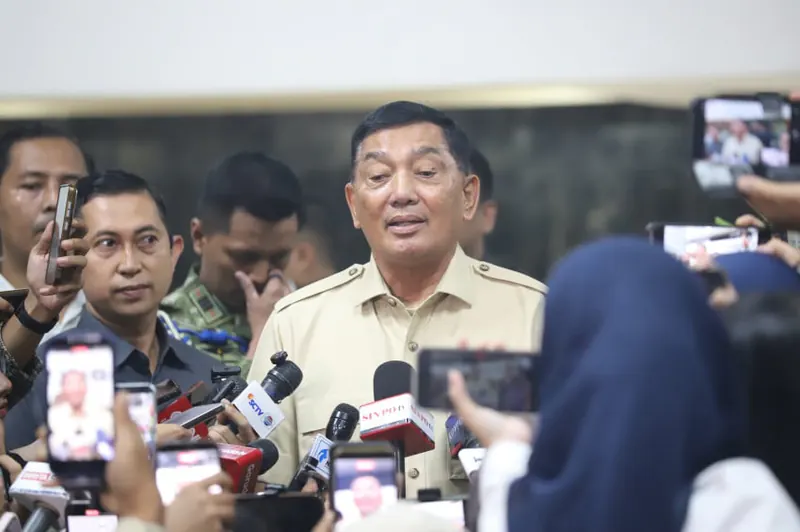
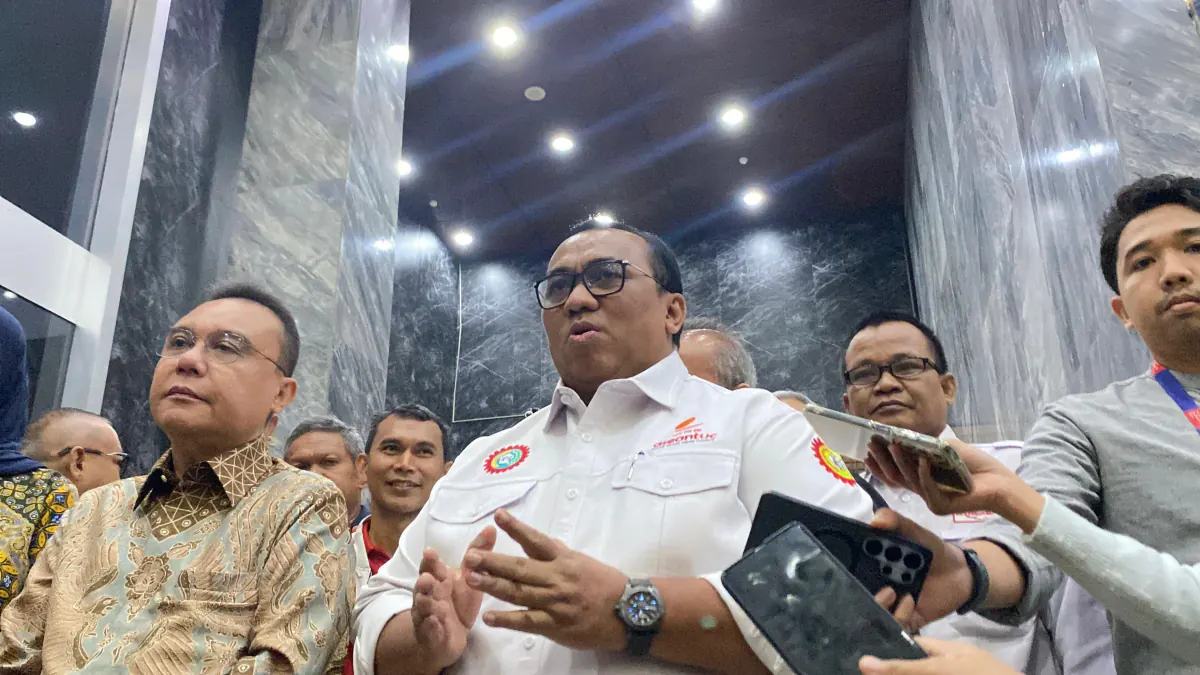
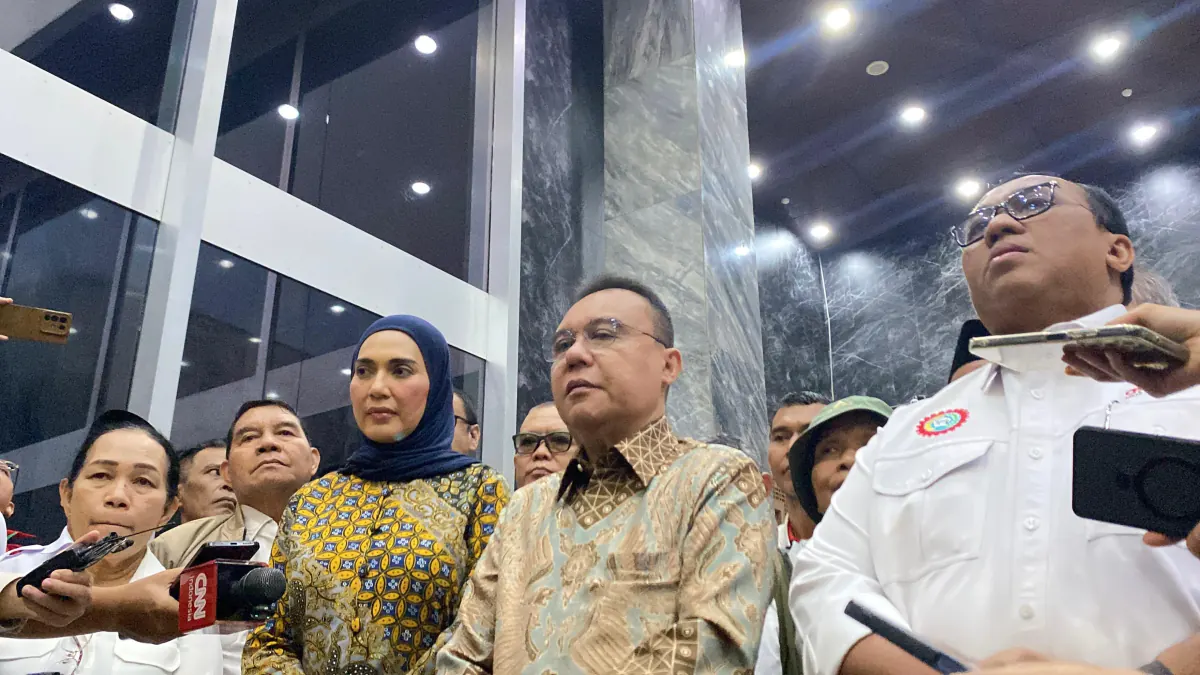
APHTN-HAN National Working Meeting to Discuss Presidential Candidate Requirements and Wiretapping Bill
APHTN-HAN's national working meeting in Bandung on 19-20 November 2026 will discuss presidential candidate requirements, public officials' resignations and a wiretapping bill.
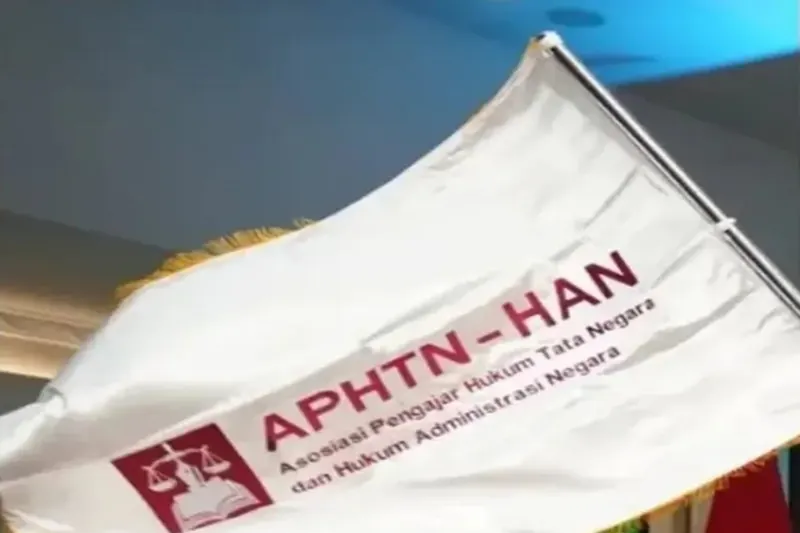
The Association of Constitutional Law and Administrative Law Lecturers (APHTN-HAN) will hold its national working meeting (Rakernas) on 19-20 November 2026 in Bandung, West Java, to discuss strategic constitutional issues, including candidacy requirements for presidential candidates and public officials in general and regional elections and a draft law on wiretapping.
According to SINDOnews, the forum will bring together professors and lecturers in constitutional and administrative law from the central board and 37 regional branches. The association has about 3,000 members, all lecturers across Indonesia.
The agenda will cover reports on organisational development and human resources, as well as programmes related to the tri dharma of higher education — teaching, research and community service. Organising committee member Prof Rudy said commission sessions would address contemporary issues linked to governance.
Planned discussions include the arrangement of candidacy requirements for public officials in general and regional elections, rules on resignation or dismissal of officials during their terms, mechanisms for filling vacancies, and follow-up on bills on elections, wiretapping, the national education system, indigenous peoples and climate change. The scope of state finance and the definition of corruption offences will also be discussed.
APHTN-HAN's Role in Constitutional Discourse
APHTN-HAN is an academic body that brings together lecturers and professors in constitutional law and administrative law, two fields of public law. In Indonesian universities, such organisations usually carry out the tri dharma: education, research and community service. The national working meeting serves as internal consolidation and a forum to align lecturers' thinking as constitutional issues evolve rapidly.
Constitutional law concerns the state's foundation, state institutions, citizens' rights, government authority and the process of making laws. Administrative law focuses on how government exercises authority, issues decisions, manages public services and holds officials accountable. Studies of candidacy requirements, terms of office and vacancy-filling therefore touch the core relationship between the constitution, statutes and governance practice.
The wiretapping issue has similar complexity. Wiretapping can support law enforcement, but it may also affect the right to privacy, confidentiality of communications and personal data protection. In a state governed by law, such powers generally need a clear statutory basis, oversight, permission mechanisms, and limits on retention and destruction of recordings. Academic forums are important to ensure norms do not only strengthen authorities but also prevent misuse of technology.
More broadly, public law teaching organisations often bridge theory and practice. They can map gaps in norms, assess consistency across laws and offer constitution-based recommendations. When legislation is debated in parliament, such input can help test whether a bill meets principles of legality, proportionality, rights protection and legal certainty. Against this background, the national working meeting is not merely an internal agenda but part of the intellectual ecosystem that shapes policy quality.
Implications for Parliamentary Legislation
For readers in Indonesia, the issues discussed are relevant because the meeting's formulations may influence the direction of bills in parliament and government policy. Candidacy requirements determine who may run in elections, while resignation rules and vacancy-filling relate to governmental stability and officials' accountability. If these arrangements are unclear, the public could face leadership vacancies, authority conflicts or prolonged election disputes.
Wiretapping also touches daily life because it can involve private communications, electronic data and professional activity. Rules that are too loose may make citizens worry about misuse of access, while rules that are too strict without oversight mechanisms may hinder law enforcement. Readers should watch whether the draft law includes court permission, institutional oversight, privacy safeguards and penalties for misuse.
The impact extends beyond legal policy. Discussions of state finance and the definition of corruption can affect budget oversight, public services and legal certainty for state officials. For citizens, the key question is whether academic input from forums like this will enter the legislative priority list and be tested openly. The clearer the legal basis and oversight mechanisms, the greater the chance that policy protects public rights while maintaining effective governance.