Sultan Najamudin: Regional Representative Council Cannot Propose Vice Presidential Candidate
Sultan Bachtiar Najamudin says the Regional Representative Council cannot propose a vice presidential candidate because it is not a political party.
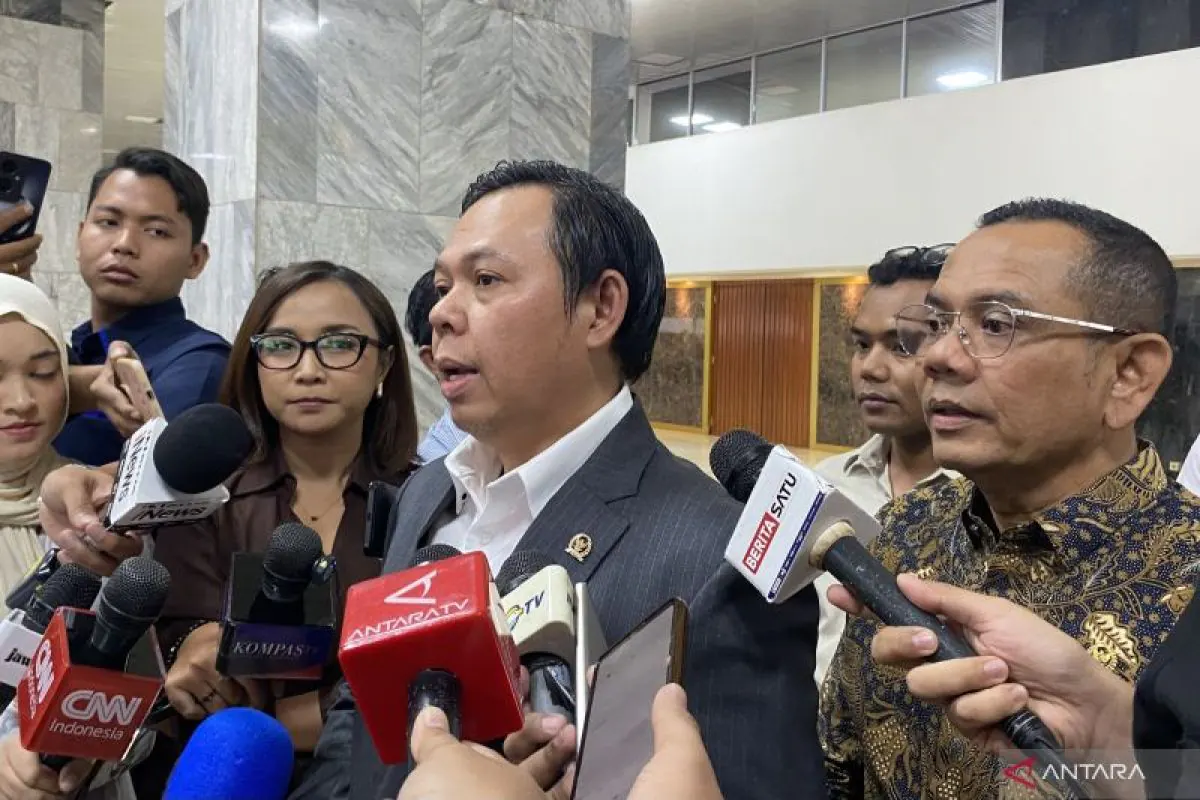
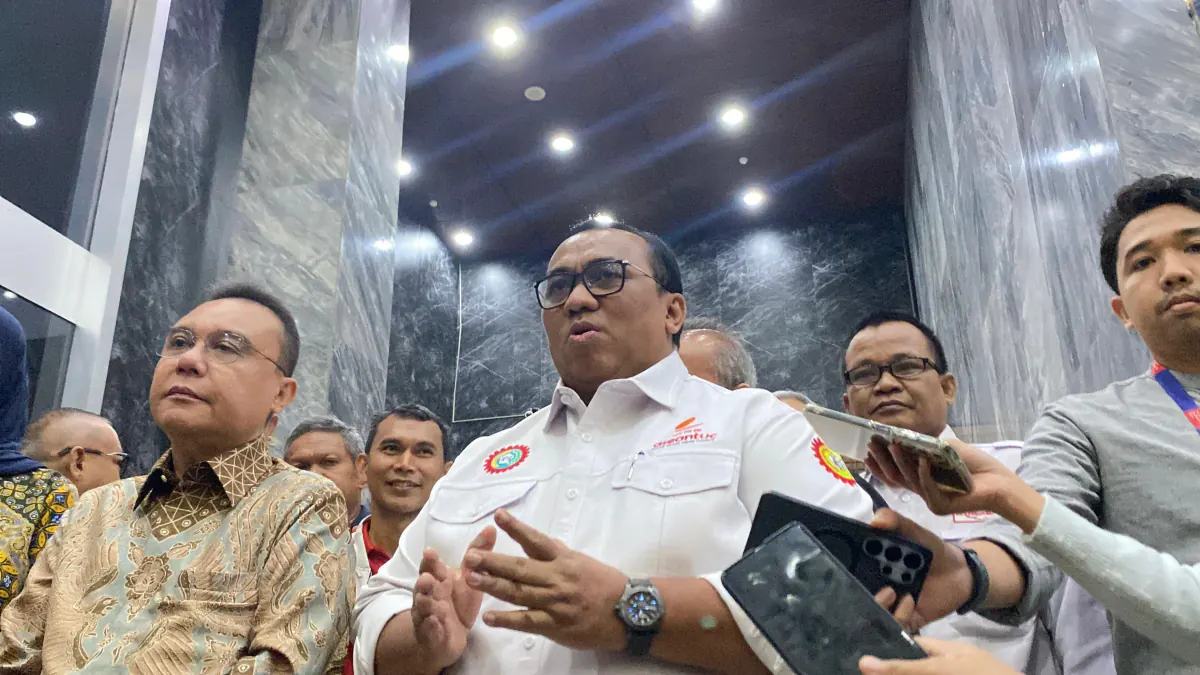
Chairman of the Regional Representative Council (DPD) Sultan Bachtiar Najamudin said his institution had no authority to propose a vice presidential candidate because the DPD was not a political party but a body representing the regions. He made the statement at the parliamentary complex in Jakarta on Tuesday, as reported by ANTARA.
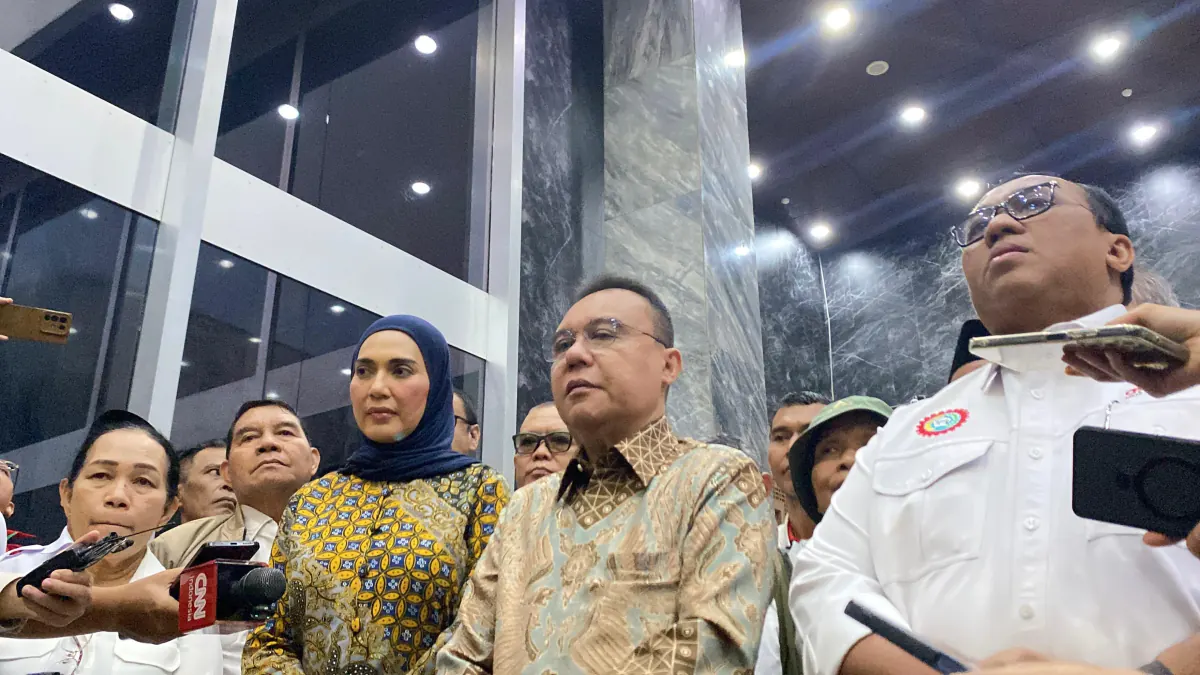
Sultan said the authority to propose a name to fill the vice presidential seat left vacant after Gibran Rakabuming Raka stepped down was not among the DPD's constitutional powers. He said support from some senators for Deputy Speaker of the House of Representatives (DPR) Sufmi Dasco Ahmad was natural as a personal position.
Nevertheless, Sultan explained that his meeting with Dasco on Tuesday noon was routine communication among parliamentary leaders. He also said the DPD was ready to support whichever vice presidential candidate President Prabowo Subianto proposed to ensure a smooth transition of the office.
"The DPD is not a political party," Sultan said.
The DPD's role and constitutional limits
The DPD is a state institution whose members are elected from each province to represent regional interests. In Indonesia's constitutional system, it is distinct from the DPR and from political parties. The DPD has no role in nominating state officials, including the president and vice president. Its authority relates mainly to deliberating draft laws on regional autonomy, central-regional relations, the establishment and expansion of regions, natural resources and fiscal balance. When the names of vice presidential candidates emerge, the DPD can therefore only express political views, not formally propose candidates.
For the vice presidency, Indonesia's constitutional rules distinguish two situations. In a general election, presidential and vice presidential tickets are proposed by political parties or coalitions that meet the requirements. But if the vice presidential seat becomes vacant during a term, the constitution provides another route: the president submits two candidates to the People's Consultative Assembly (MPR), which chooses one. In that mechanism, political parties and the MPR are at the centre of the process, while the DPD is not a proposer.
Sultan's statement should be read within those limits. Personal support from some senators for Dasco can be understood as part of political communication, especially because the DPD and DPR work in the same parliamentary complex and often discuss regional agendas. But such support does not change the DPD's status as a non-party institution. In filling the vice presidential seat, what matters is not how many DPD members express sympathy, but who proposes a name and which institution has the right to choose.
The DPD can still advocate regional aspirations through policy input, oversight of law implementation and dialogue with other state institutions. That function does not require it to enter the nomination of constitutional offices.
Sultan's statement was therefore not a rejection of regional aspirations, but an affirmation that those aspirations must be channeled through available mechanisms, not through nominations that are not the DPD's task.
Impact on the national political process
For the public, the clarification helps prevent the misinterpretation that regional senators can directly determine a vice presidential candidate. Filling high state offices easily triggers speculation because it touches on the direction of government, policy stability and regional interests. When constitutional limits are affirmed, political statements can be assessed proportionally: support from DPD members is not an official process, but a signal of communication among elites.
The issue is also relevant to regional agendas. The DPD often serves as a channel for provincial aspirations, from infrastructure and transfer funds to natural resource policies. Regional publics need to watch whether political communication between senators and leaders of other institutions leads to faster policy action, rather than becoming mere image-making. In the short term, Sultan's clarification keeps the vice presidential vacancy-filling process on a constitutional path.
Going forward, attention should turn to how the MPR, the president and political parties carry out the vacancy-filling mechanism openly. Transparency will reduce public misunderstanding about the DPD's role and maintain trust that national leadership transitions follow the rules, not pressure or symbolic support from institutions without authority.
For voters, the episode is also a reminder that each state institution has a different space for action. The DPD represents the regions, the DPR makes laws together with the government, and the MPR has a special role in electing or filling certain offices. Understanding that division of roles helps prevent narratives that mix personal political support with constitutional authority.