Sultan Najamuddin Enters Vice-Presidential Shortlist, DPD Defers to Prabowo
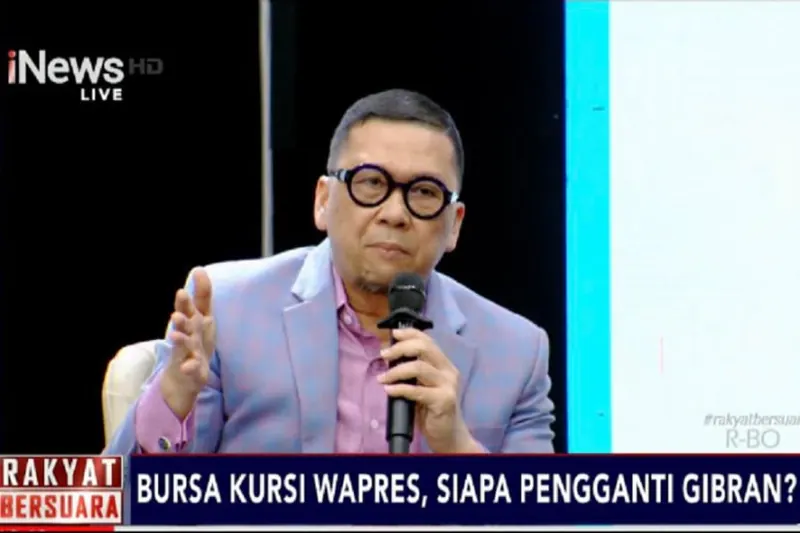
The name of Regional Representative Council Chairman Sultan Bachtiar Najamuddin appears in a survey of possible vice-presidential candidates to replace Gibran Rakabuming Raka.
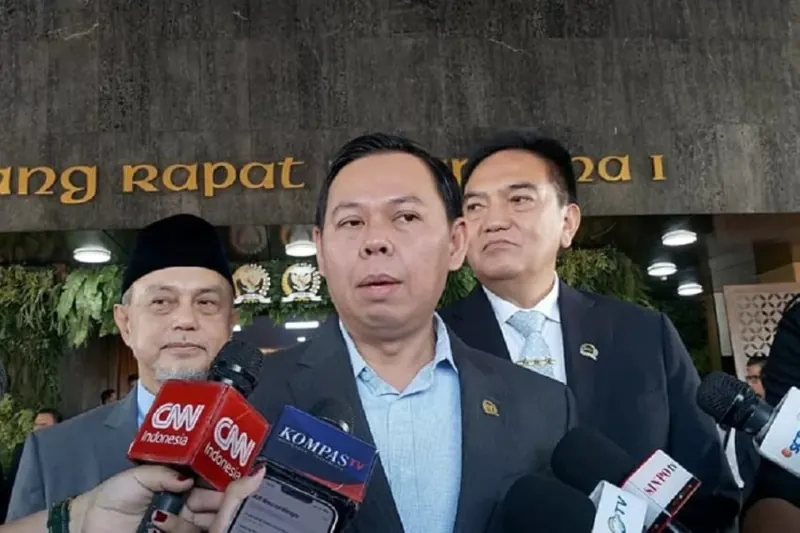
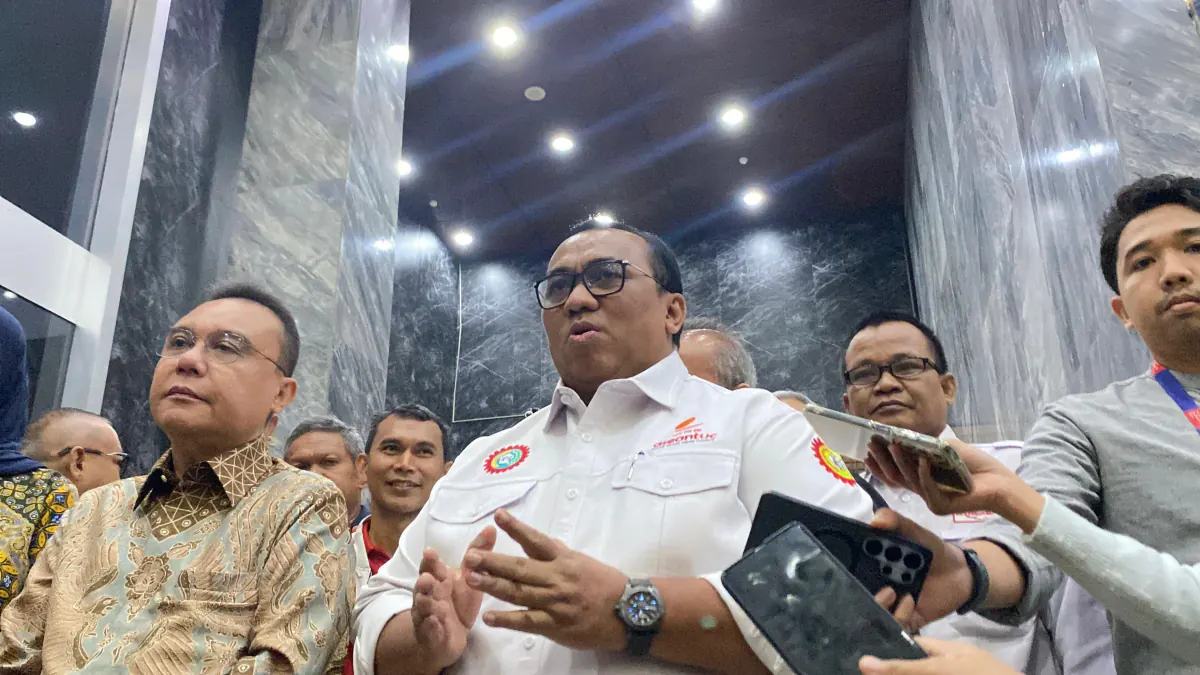
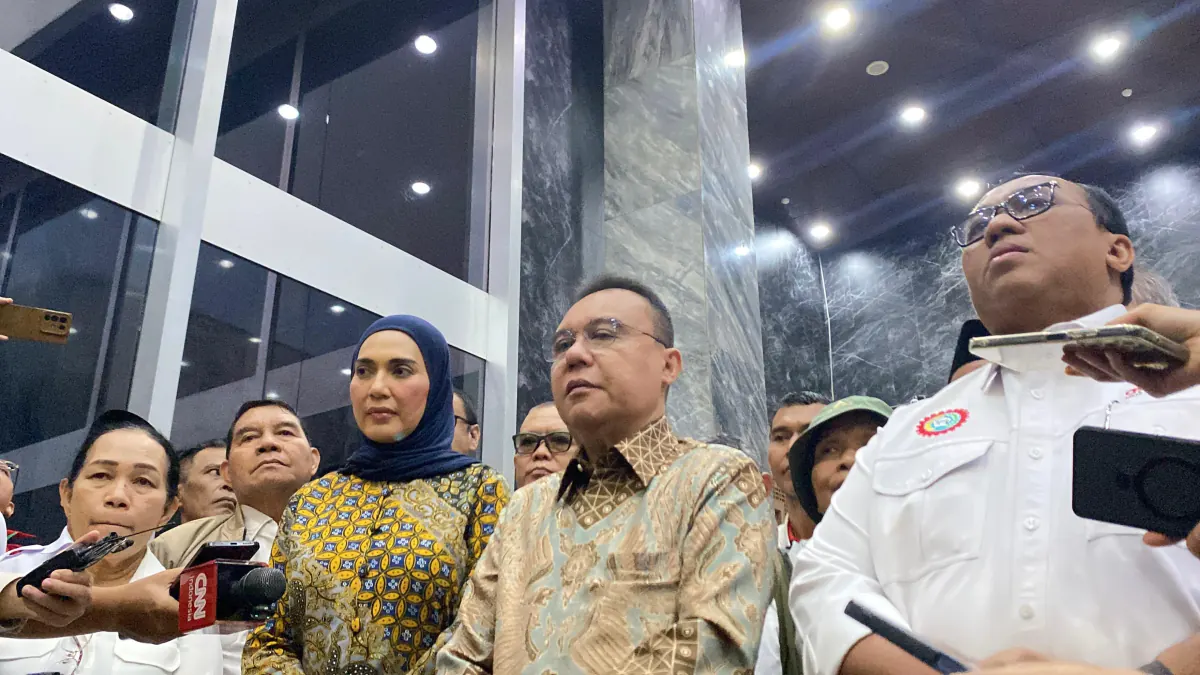
On Saturday in Jakarta, Regional Representative Council (DPD) Chairman Sultan Bachtiar Najamuddin said the shortlist of vice-presidential candidates to replace Gibran Rakabuming Raka was under the authority of President Prabowo Subianto.
According to a SINDOnews report, a survey by Lembaga Riset Publik placed Sultan second among state-institution leaders, at 17.8%. House of Representatives (DPR) Chair Puan Maharani led the group with 21.4%, while People’s Consultative Assembly (MPR) Chair Ahmad Muzani received 14.2%.
Sultan did not speculate about his own name. He said replacing the vice president was not just about filling a seat, but about ensuring the remaining three years of government were not consumed by political noise.
DPD Role and Rules for Filling the Vice-Presidency
The DPD is a state institution whose members are elected from each province to represent regional interests. Its powers differ from those of the DPR. The DPD can submit bills related to regions and take part in deliberating certain bills. It also oversees the implementation of laws concerning regions. However, the DPD is not the main body for preparing presidential or vice-presidential candidates because those posts are attached to candidate pairs proposed by political parties or party coalitions. DPD members are also not party delegates, so their image is often seen as closer to regions than to the governing coalition.
In Indonesia’s constitutional system, the president and vice president are elected as a pair in general elections. If the vice-presidential seat becomes vacant, the constitution provides a special route: the president proposes candidates to the MPR for election within a specified period. Therefore, the statement that replacing the vice president is the president’s authority can be read as a confirmation that political initiative lies with the president, although filling the post still involves the MPR under procedure. In other words, the president may propose candidates, but the MPR chooses them. The process also requires political support in a body whose members come from the DPR and DPD.
Surveys placing state-institution leaders in the vice-presidential race usually measure public perception, not legal certainty. The state-institution leader cluster includes the DPR chair, the MPR chair and the DPD chair. Placement in a survey can signal name recognition, but it does not automatically change nomination rules. Political parties, coalitions and the president remain the actors determining the direction of proposals. Names popular in high state institutions are often considered safe, neutral, or acceptable across groups. However, surveys do not grant any person a special right to occupy a state office.
The DPD is also not an institution that can independently propose a presidential-vice-presidential candidate pair. The role of regions appears more in certain legislation and oversight. Therefore, the entry of the DPD chair into the vice-presidential race is more properly read as political discourse born from the image of the office, not from an official electoral mechanism. Because of that, readers need to distinguish circulating news from decisions with a legal basis.
What the Public Should Watch
For Indonesian readers, the discourse on replacing the vice president has not yet directly touched staple prices, wages or public services. Its impact is more political and administrative: whether the government remains focused on ongoing programs, or whether public space is filled with debate over uncertain candidates. If a replacement actually happens, the public needs to see whether the process follows the constitution, rather than becoming merely an elite deal. The public also needs to demand clarity that the discourse does not sacrifice regional agendas, education, health or social protection.
The most important issue is policy continuity. The vice president can play a role in coordinating national programs, regional oversight and certain social issues. Replacing that office can affect task allocation in the cabinet, budget priorities and the government’s communication with regions. Therefore, the public should assess candidates by their track record, capacity and commitment to the division of powers and oversight, not by popularity in surveys. Maintained political stability usually makes budget planning and regional services easier to monitor.
The next developments to watch are official statements from the president, the stance of coalition parties and the MPR schedule if a proposal reaches that body. Until an official mechanism exists, survey figures are only political conversation. Readers can use them to understand the direction of discourse, but should not treat them as a state decision. If the process is open, public trust in state institutions can remain intact.