Samuel Wattimena flags Indofood waste and local SME concerns
Commission VII lawmaker Samuel Wattimena urged PT Indofood to strengthen waste management, energy efficiency and local small and medium-sized enterprise participation in its supply chain.
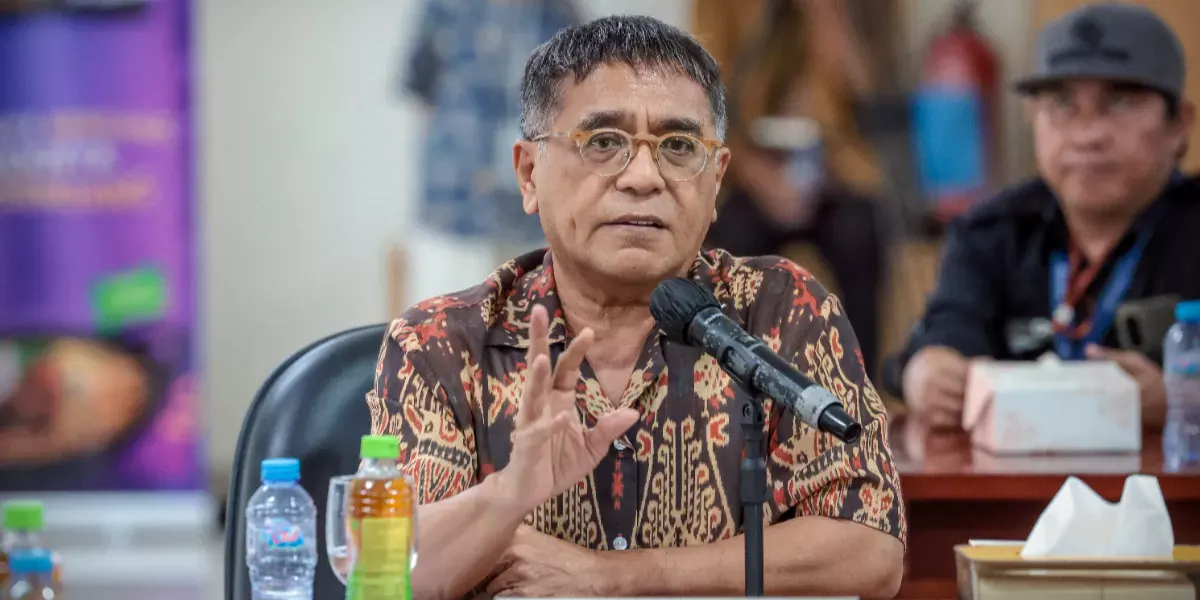
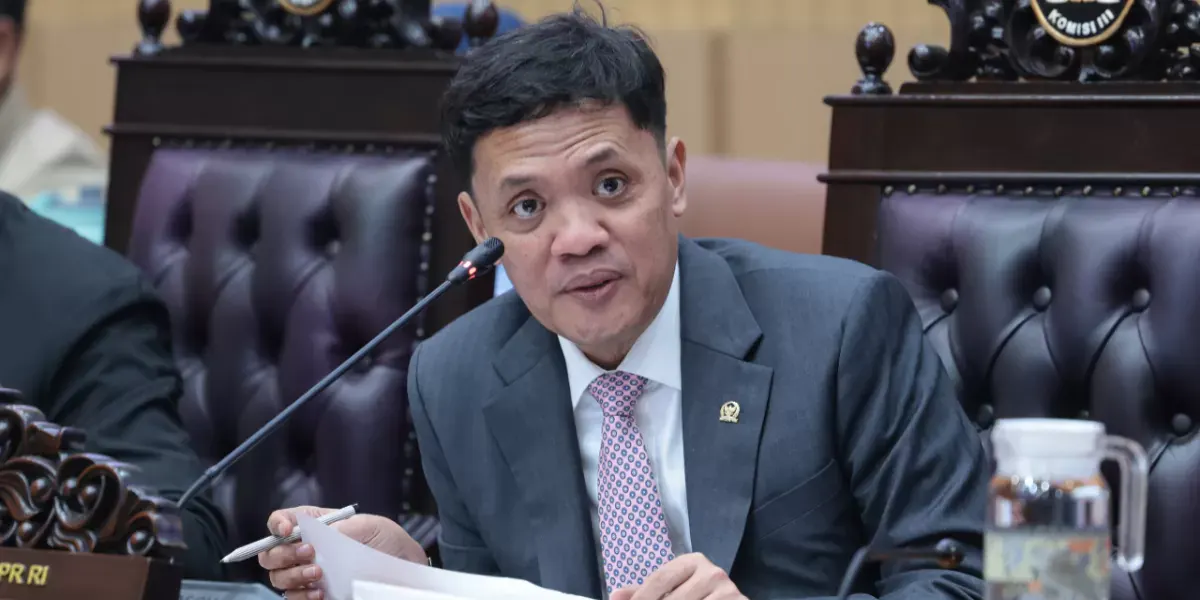
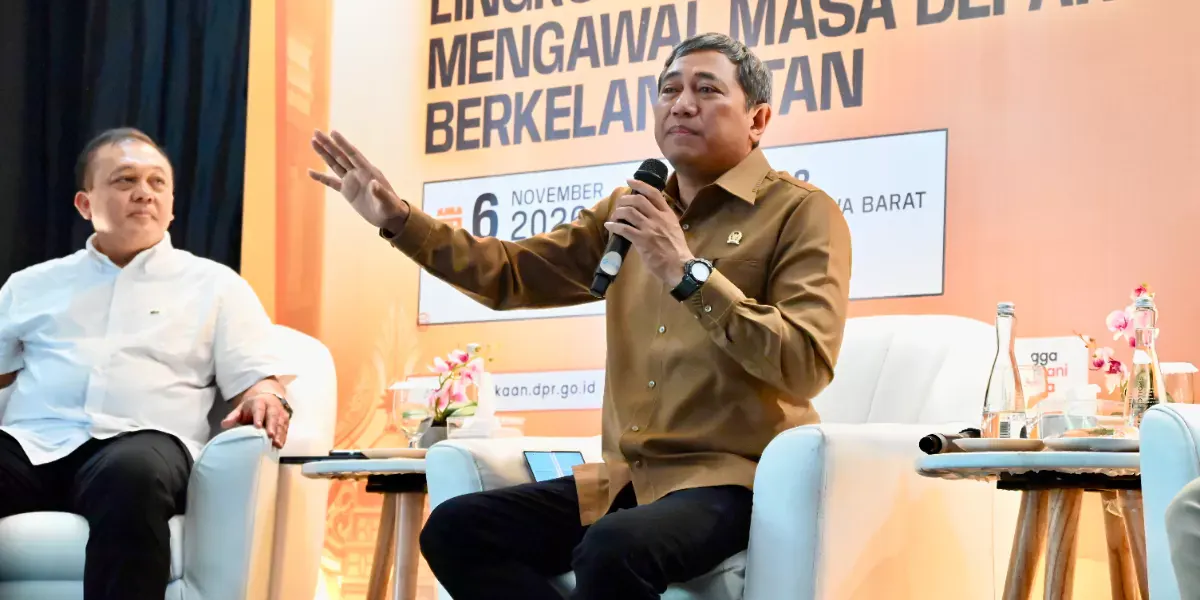
Samuel Wattimena, a member of Commission VII of the Indonesian House of Representatives (DPR), asked PT Indofood to strengthen waste management, energy efficiency and the involvement of small and medium-sized enterprises (SMEs) in its supply chain during a recess working visit to Palembang, South Sumatra, on Friday, 6 September 2026, according to BeritaParlemen.
He said global production capacity and employment absorption must be balanced with responsible waste management.
Samuel encouraged the use of waste through recycling and green energy, as well as expanding the role of local SMEs as raw material suppliers, from agriculture to seasonings used in production.
According to BeritaParlemen, the lawmaker from the Central Java I electoral district raised questions about supplier waste management, energy costs, palm trunk, explanations about instant noodles, and the testing of local tapioca flour.
"Large industries must be able to deliver added value for the national economy," Samuel said.
Commission VII’s oversight role in industry
A recess working visit is one way for the DPR to gather public aspirations and oversee policy implementation and the performance of sectors under its partnership. In the context of large industries, such activities usually do not stop at ceremony. Lawmakers can bring findings into public hearings, propose regulatory improvements, or urge relevant ministries to follow up issues that emerge on the ground. In the state system, the DPR’s oversight function is important because industrial, energy and environmental policies involve budgets, permits and public protection.
Oversight of food and manufacturing companies usually touches three interrelated matters: environmental compliance, supply chain resilience and consumer protection. Factory waste, emissions from energy combustion and supplier governance can trigger complaints from nearby residents. Meanwhile, raw material quality standards determine product safety, and dependence on imports makes prices more vulnerable to global volatility. At the regional level, these issues also touch spatial planning, business permits and local government authority in overseeing socio-economic impacts.
The involvement of SMEs also frequently draws scrutiny. Large industries need suppliers that are consistent in volume, quality and certification, while SMEs often face constraints in capital, equipment and the ability to meet audits. Therefore, calls to expand the role of local suppliers usually need to be followed by mentoring schemes, quality testing and market certainty so that they do not remain mere appeals. Such partnerships can bridge the needs of industry and the readiness of small businesses.
The use of waste as alternative energy is part of the circular economy discourse. The principle is that materials originally regarded as production waste can be processed into new resources, for example through recycling, composting or biomass combustion with emission controls. The challenges are not only technological but also investment costs, environmental permits and continuous monitoring. In the food industry, this issue also intersects with product safety, because waste that is not managed properly can pollute water, soil and the environment around factories where workers and residents live.
What the public should watch
For consumers, scrutiny of instant noodles touches daily shopping habits. The public is entitled to clear information about contents, safety and production standards, especially when the product is widely distributed and affordable. Open explanations from the company can dampen unverified rumors. This is important because instant noodles are one of the processed food products widely consumed by households. It is also relevant for parents who choose ready-to-eat products for their children.
For SMEs and local suppliers, the message from this visit shows that the opportunity to enter large industry supply chains is open, but it requires quality readiness, environmental compliance and volume consistency. If these are met, a shorter supply chain can restrain costs, reduce import dependence and create more evenly distributed added value in the regions. Without mentoring, high standards can actually push small suppliers out.
For residents around industrial areas, waste and energy issues are the most directly felt. Good management means lower pollution risk and broader employment potential, while a failure of oversight can trigger social conflict. Therefore, recess findings need to be followed up through clear and open reporting mechanisms. Companies also need to open communication channels with local government, labor unions and surrounding communities on a regular basis.