Sahroni backs faster revision of child protection and juvenile justice laws
Deputy Speaker of the House of Representatives (DPR) Ahmad Sahroni supports accelerating revisions to the Child Protection Law (UU Perlindungan Anak) and the Juvenile Justice System Law (SPPA), saying violence against children is increasingly alarming.
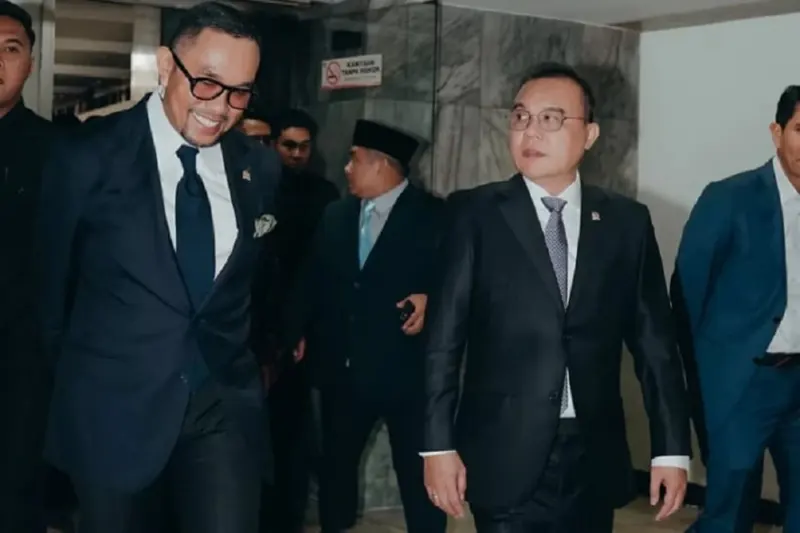
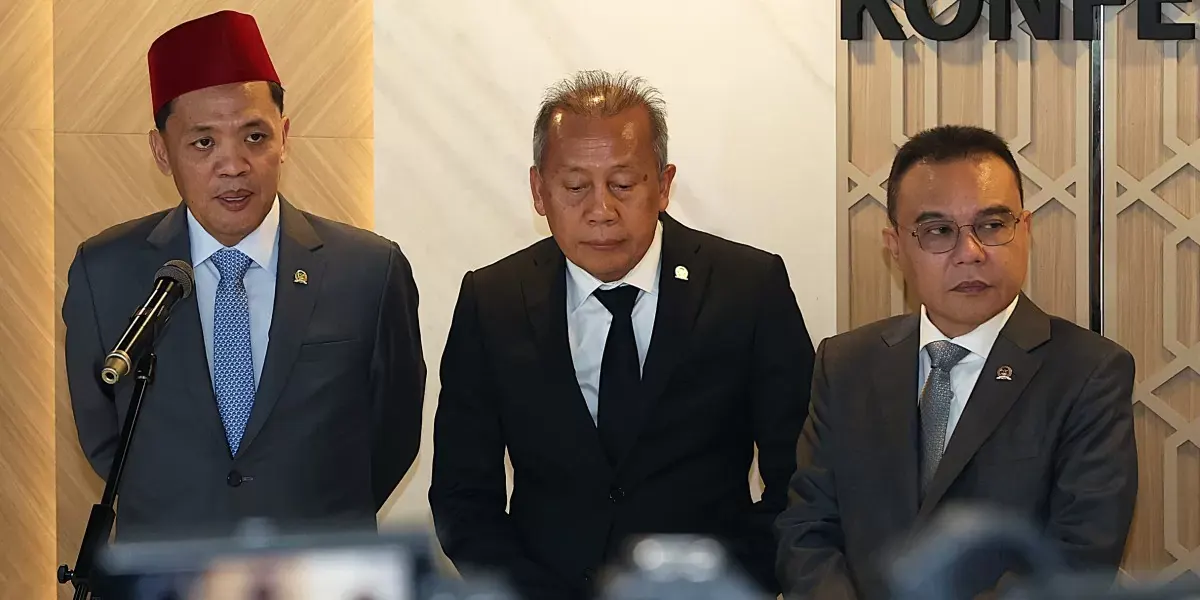
Deputy Speaker of the House of Representatives (DPR) Ahmad Sahroni, deputy chair of Commission III, the legal and human rights committee in Indonesia's parliament, said he supports accelerating revisions to the Child Protection Law (UU Perlindungan Anak) and the Juvenile Justice System Law (SPPA), as reported by the Indonesian news outlet SINDOnews on Saturday, 21 November 2026, in Jakarta. He said the prevalence of violence against children had made the existing legal framework no longer adequate.
Sahroni called the need to update the two laws “very urgent” because he receives reports of violence against children and requests for assistance almost every day.
He also highlighted evolving digital crimes, which require stronger rules and a deterrent effect for perpetrators.
Indonesia's child protection regulatory history
Child protection in Indonesia has long rested on Law No. 23 of 2002, which was later updated through amendments in 2014 and 2016. Those amendments added legal instruments for sexual crimes against children, including heavier sanctions and certain measures for perpetrators. Meanwhile, the Juvenile Justice System Law regulates children in conflict with the law, whether as victims, witnesses or perpetrators. The amendments also affected definitions of violence, state responsibility, and the more detailed positions of supervisory institutions at the central and regional levels.
In the SPPA system, common terms include diversion, the transfer of a child case from criminal proceedings to a settlement outside court, and restorative justice, which emphasizes repairing relationships among victims, perpetrators and society. The rules also separate children's proceedings from those of adults, set more specific stages for investigation, prosecution and trial, and regulate the roles of community guidance officers, specialized institutions and juvenile courts. The framework also treats child offenders as subjects who can be guided, so the process is not automatically identical to detention.
Revisions to the two laws are usually included in the national legislative program, going through deliberations in DPR working bodies, harmonization and agreement with the government. Frequently debated issues include the age of criminal responsibility for children, victim assistance mechanisms, personal data protection, and synchronization with criminal law, procedural law and digital-sector regulations. Therefore, accelerating the revisions cannot stop at political intent; it demands a clear list of problems from law enforcement practice. In discussions, case report data, examination results and recommendations from child protection institutions become comparable material so that new articles address recurring weak points. Public monitoring of new articles is also part of the legislative process.
In the digital sphere, Indonesia's legal framework is also connected with rules on child protection in electronic systems, platforms' obligation to remove harmful content, and content reporting mechanisms. In practice, child victims of cyberbullying, online sexual exploitation or personal data misuse often face obstacles: electronic evidence can easily disappear, psychological recovery is costly, and coordination among schools, families, law enforcement authorities and child protection institutions is not always fast. Therefore, revisions can touch on reporting procedures, protection of victims' identities and long-term recovery.
Impact on families and schools
For families, the revision could mean a change in how they seek help when a child becomes a victim or perpetrator of violence. Clearer rules could shorten waiting time for assistance, clarify victims' rights to health and psychological services, and give parents a basis to demand accountability from negligent educational institutions or digital platforms. If referral mechanisms are clarified, parents would no longer have to move from school to police, hospital and child protection institutions before the victim receives services.
For schools and communities, stronger laws would encourage more structured prevention: teacher training, anti-bullying mechanisms, report-handling protocols and cooperation with relevant agencies. However, real impact depends on the state's ability to provide services that exist not only on paper. Without safe houses, trained counselors, child-friendly investigators and a protected victim data system, the law revision risks becoming a textual update without changing victims' experiences. Budget and human resources will determine whether the new articles truly work. Without them, victims will keep waiting.
For general readers, what can be watched is the quality of deliberations by the DPR and the government: whether the new articles unify terms for violence, improve institutional coordination and regulate platform responsibility without sacrificing the right to information. The revision under discussion will also be measured by the space for victim recovery and guidance for child offenders, not only sanctions. Public monitoring of drafts, academic papers and public hearings is also important so that the revision does not merely chase legislative targets.