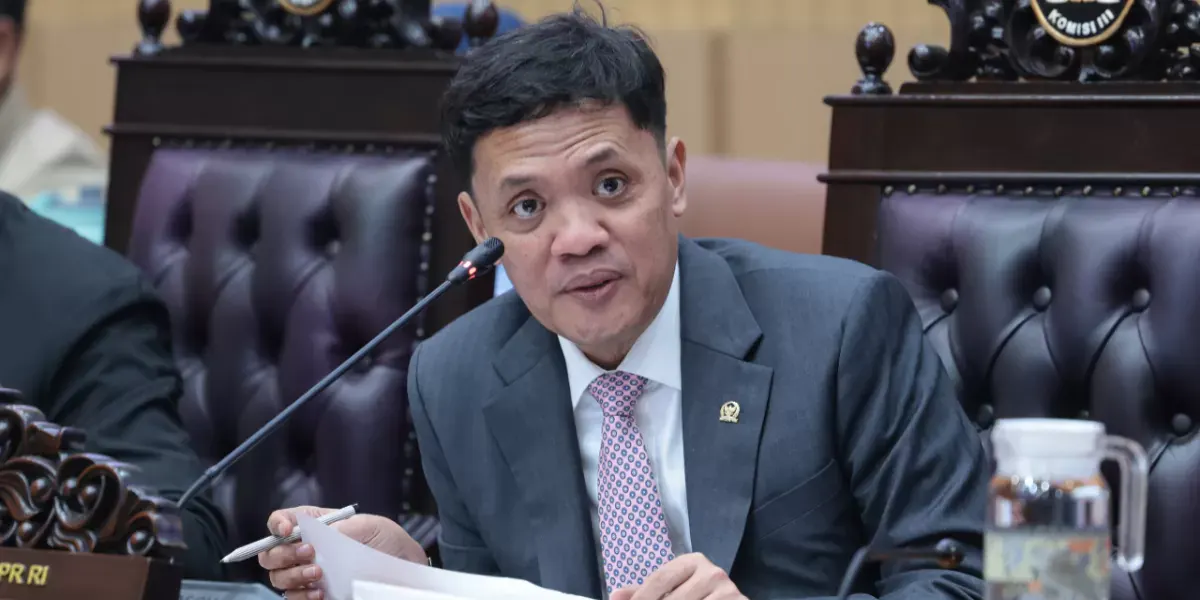
Rofik Hananto Demands Full Probe of Alleged Wiretapping of President Prabowo
Rofik Hananto has asked the Criminal Investigation Agency of the Indonesian National Police (Bareskrim Polri) to thoroughly investigate alleged illegal wiretapping of President Prabowo Subianto down to the main actors.
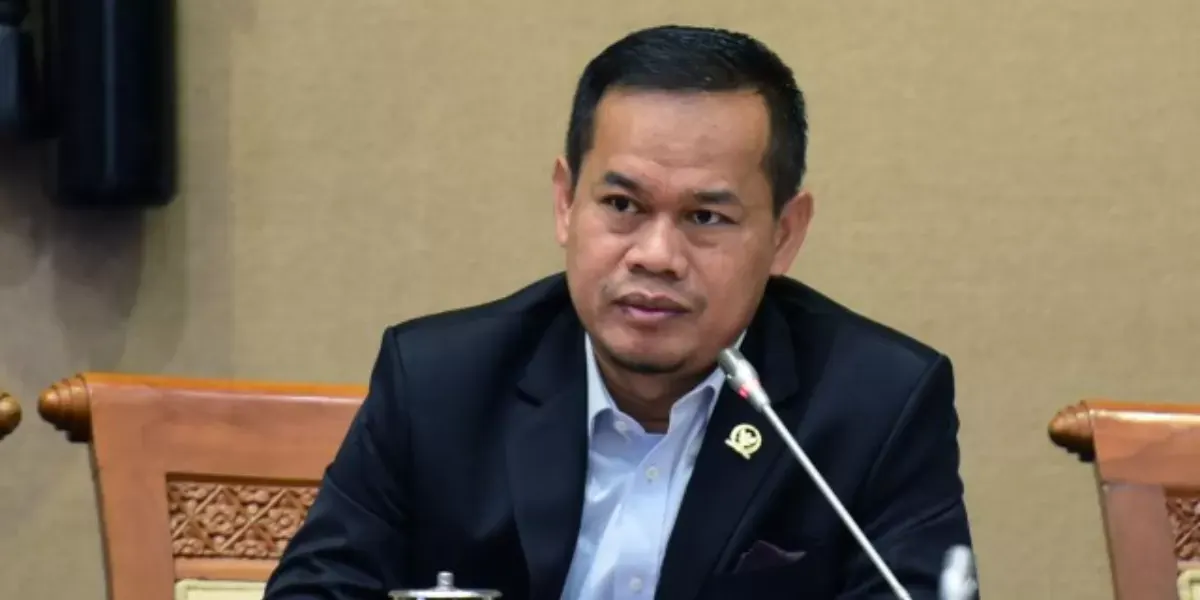
A member of Commission XIII of the People's Representative Council (DPR RI), Rofik Hananto, has asked the Criminal Investigation Agency of the Indonesian National Police (Bareskrim Polri) to thoroughly investigate alleged illegal wiretapping of President Prabowo Subianto and several state officials, which allegedly involved rogue police officers, as reported by BeritaParlemen in Jakarta on Friday, 6 November 2026.
He said the case was not merely an internal police ethics violation. According to Rofik, alleged surveillance without permission of the head of state's communications concerned the confidentiality of presidential information and public privacy.
The Prosperous Justice Party (PKS) politician urged investigators to trace those who carried out the alleged wiretapping, those who ordered it, and the motives and interests behind it. He also asked that all evidence, from communication devices and recordings to information flows and the use of wiretap results, be examined professionally.
“Do not stop at the surface,” Rofik said in a written statement to BeritaParlemen.
On the possible use of treason provisions, Rofik said their application must be based on lawful evidence and objective proof. He referred to Article 191 of the national criminal code (KUHP) on treason against the president or vice president and Article 193 on treason against the government with the intent to overthrow it.
He said he hoped the case would become a moment to strengthen oversight of intelligence and wiretapping authorities.
Wiretapping and the limits of state authority
In Indonesia, wiretapping is not an act that may be carried out without a legal basis. The private communications of citizens and officials are protected by privacy norms and data protection rules. In criminal law, wiretapping is usually lawful only when conducted by designated institutions, for law enforcement purposes, and with permission or oversight mechanisms set by regulations.
Rules on wiretapping are spread across several laws, including criminal provisions in the electronic information sector and personal data protection. Therefore, when allegations of unauthorized wiretapping arise, the questions are not only who did it, but whether there was an official order, a legitimate purpose, and a traceable chain of accountability. In practice, evidence of wiretapping often takes the form of metadata, recordings, server logs and access trails. Tracing the flow of information therefore matters: not only whether communications were intercepted, but what the results were used for and whether the data were disseminated.
Cases involving the head of state add complexity. The president has a right to the confidentiality of communications in carrying out government, but that right does not mean all surveillance of presidential communications is automatically legal. Precisely because the position is so sensitive, illegal wiretapping can be seen as touching on national security and public trust in authorities. Oversight of intelligence and wiretapping is also a national security governance issue. Institutions given technical access to communication systems can abuse their authority if it is not balanced by audits, court authorization and public complaint mechanisms.
Parliament usually plays an oversight role, not an investigative one. DPR members can push for transparency, demand explanations, or use their oversight rights if they believe authority has been abused. But the determination of evidence, motives and criminal charges remains the domain of investigators and courts. The demand to investigate down to the main actors should therefore be read as a call for accountability, not a verdict. Without an open process, the public will find it hard to judge whether a violation occurred or whether the matter is only a technical misunderstanding.
What the public should watch
For Indonesian readers, alleged illegal wiretapping is not merely elite political news. The issue touches everyday experience: phone calls, text messages, emails and conversations in messaging apps. When the public hears that even the head of state's communications may allegedly have been wiretapped without permission, questions about the security of ordinary citizens' personal data are natural.
The practical impact relates to trust in state institutions. People who feel monitored without a legal basis may become more reluctant to communicate openly, whether in business, journalism or civic activity. A transparent legal process is therefore important to ensure that the allegation does not turn into a new source of fear.
Going forward, what matters is whether the investigation openly reveals motives and main actors, whether devices and recordings are audited, and whether parliament follows up with oversight of intelligence authority. The public also needs to distinguish between criticism of alleged abuse of authority and accusations that the entire apparatus has broken the law. A clear resolution can protect institutions from stigma. That clarity also determines whether citizens feel safe using digital services.