Hundreds of Bantul becak drivers receive President Prabowo's electric becak aid
Hundreds of pedal-powered becak drivers in Bantul received electric becak aid from President Prabowo Subianto, with a quota of 400 units for drivers aged over 55.
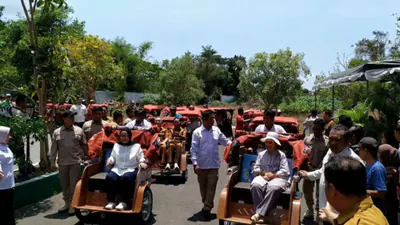
Hundreds of pedal-powered becak drivers in Bantul Regency received electric becak aid from President Prabowo Subianto at Pendopo Parasamya II in Manding, Bantul, on Tuesday, 10 November 2026, as reported by TVRI News.
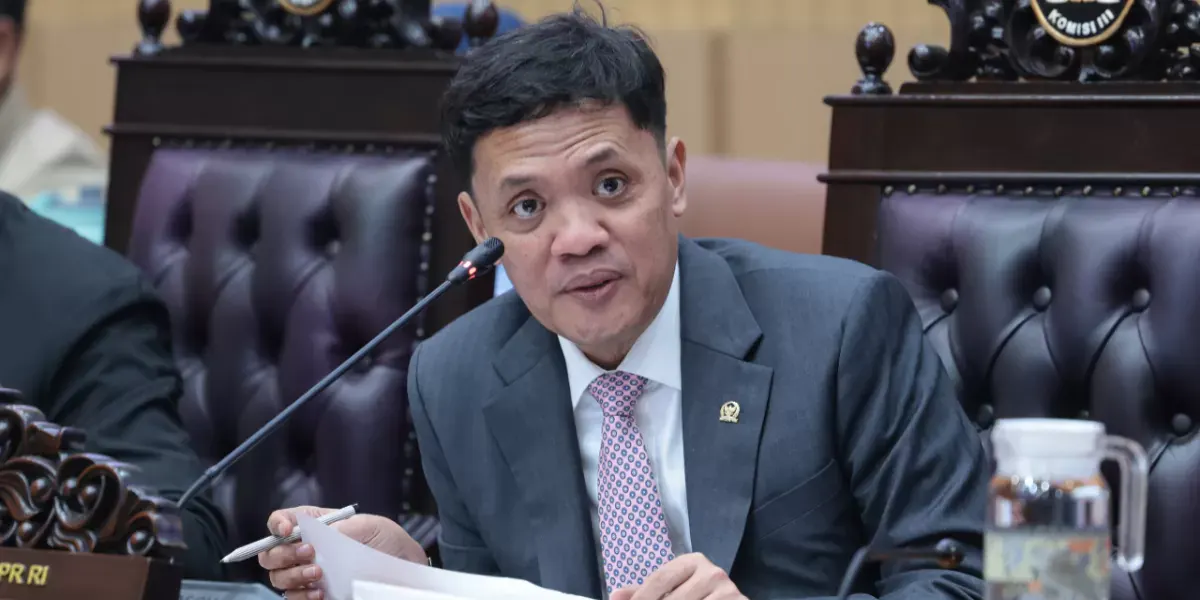
According to the report, the National Solidarity Movement Foundation (Yayasan Gerakan Solidaritas Nasional) delivered the aid through Siti Hediati Soeharto, the chair of Commission IV of the House of Representatives (DPR RI). Bantul’s quota was 400 units, reserved for drivers aged over 55.
The electric becak, made by Pindad, an Indonesian manufacturer, uses an electric motor and battery to ease physical work. Nanik Deyang, vice chair of the National Solidarity Movement Foundation, said all conventional becak drivers in Bantul could access the programme.
Nationally, 25,000 electric becak units were distributed in 2026, with the same number planned for 2027 and 2028. The quota for the Yogyakarta Special Region (DIY) was more than 1,500 units.
One recipient, Haryanto, had been pedalling a becak for 40 years. He estimated short-distance fares at Rp10,000 to Rp20,000.
Becak in tourist city Yogyakarta
Becak have long been part of Java’s urban transport landscape, especially in cities that depend on walking, shopping and food tourism. In Yogyakarta and its surroundings, becak usually wait at busy nodes: markets, stations, palace areas, budget hotels, art villages and short routes between alleys. For users, a becak is not only a means of transport but also a marker of public space that still makes room for slow vehicles and drivers who rely on their own bodies.
As road expansion, online ride-hailing services and private cars grew, the becak’s role as everyday transport shrank. Yet in tourist cities, becak have survived by taking on new functions: ferrying visitors to restaurants, batik shops or attractions near hotels. Because trips are short, fares are usually set by agreement, distance and waiting time rather than official meters. That makes small changes to the vehicle quickly affect drivers’ daily income.
Electric motors on becak usually assist rather than replace human power entirely. Drivers still steer, brake and balance the vehicle, but the battery helps when starting, climbing hills or carrying passengers. The term “electric becak” also needs careful handling: not all units are completely free of pedalling. Some still require leg power, while others use a throttle or pedal assist. For that reason, simple training and battery maintenance are important parts of programmes like this.
Vehicle aid programmes do not stand alone. They involve ownership, operating permits, waiting locations, passenger safety and maintenance responsibility. In tourist areas, changes to informal transport often clash with the interests of traders, residents and local governments. Electric becak can improve an area’s image, but they also raise new questions: who is entitled to receive them, how to prevent the aid from being resold, and whether old units may continue operating.
Impact on drivers and tourists
For older becak drivers, replacing human power with electric motor assistance can be a major change. Work that once strained knees, backs and hearts can become lighter, especially on short routes and when carrying passengers. In the short term, this could help drivers keep working longer without becoming exhausted too quickly. But the benefits will only be felt if batteries can be charged, spare parts are available and drivers understand how to operate the units safely.
For tourists and city residents, electric becak can make short trips more comfortable. Passengers no longer see drivers panting, while drivers can offer more stable fares for short routes. If the programme is well managed, tourist areas such as Bantul and Yogyakarta can gain a more humane and orderly image of informal transport. Conversely, without clear rules, the aid could spark conflict at waiting points, leave older becak behind or create safety risks if the units do not meet standards.
What matters going forward is sustainability, not just the handover ceremony. Local governments and programme organisers need to ensure recipient data, operating locations, reasonable fares and battery service routes. For readers in Indonesia, this case shows that transport electrification does not always begin with cars or large buses. Sometimes it reaches the smallest work on the street: one becak, one driver and one passenger who wants to arrive without taking a roundabout ride.
Related news
Asahan Regency receives special category in the Corruption Eradication Commission’s (KPK) Ber-Aksi assessment