RKB Praises Dasco's Commitment to Pass Asset Forfeiture Bill
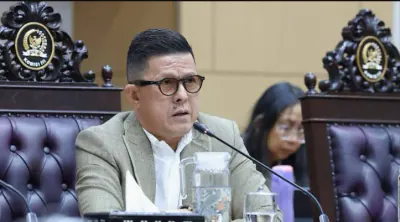
Chairman of the Rumah Keluarga Bersama (RKB) Wigit Bagoes Prabowo praised Deputy Speaker of the House of Representatives Sufmi Dasco Ahmad for guaranteeing the enactment of the Asset Forfeiture Bill by December 2026.
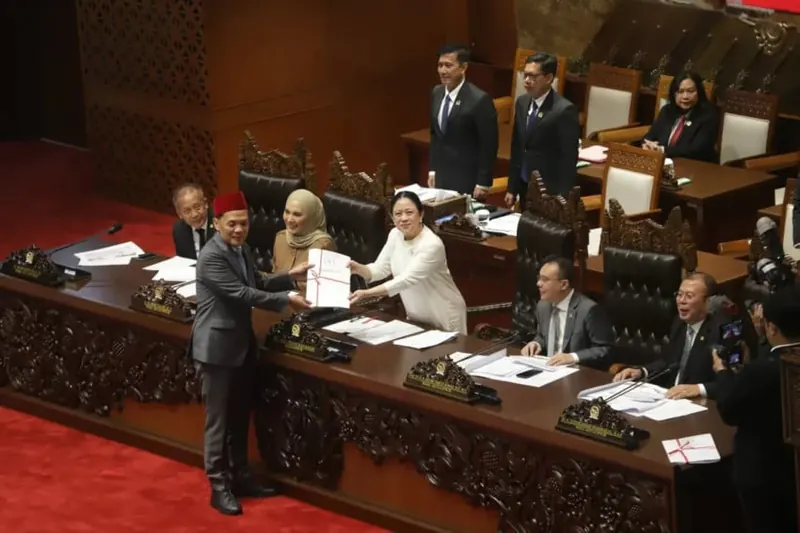
Wigit Bagoes Prabowo, chairman of the Rumah Keluarga Bersama (RKB), expressed appreciation in Jakarta for the commitment of Deputy Speaker of the House of Representatives (DPR) Sufmi Dasco Ahmad to complete the enactment of the Asset Forfeiture Bill (RUU Perampasan Aset) no later than 15 December 2026, as reported by the Indonesian news outlet SINDOnews on Thursday, 19 November 2026.
Wigit said Dasco's willingness to stake his office if the target is missed reflected responsible leadership supportive of the anti-corruption agenda. In an official statement to SINDOnews, Wigit said, “We at RKB greatly appreciate the courage and commitment of Prof. Sufmi Dasco Ahmad in guaranteeing the finalization of the Asset Forfeiture Bill in December 2026.”
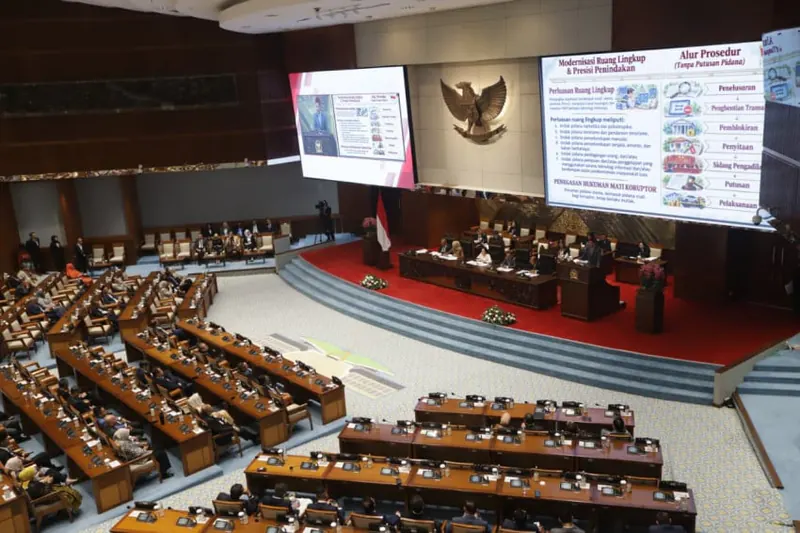
According to SINDOnews, the DPR has approved the bill to become law after 18 years of deliberation.
The long road of the Asset Forfeiture Bill
The Asset Forfeiture Bill is not a new regulation in Indonesian legal discourse. The idea of independently confiscating criminal proceeds, without always waiting for a criminal conviction against the owner, emerged in the early Reform Era. For years, asset forfeiture mechanisms in Indonesia have been scattered across several laws, including the Corruption Crimes Law (UU Tindak Pidana Korupsi) and the Prevention and Eradication of Money Laundering Crimes Law (UU Pencegahan dan Pemberantasan Tindak Pidana Pencucian Uang). Both allow asset seizure, but the process generally remains tied to proving criminal wrongdoing.
The concept offered by the bill is known as asset forfeiture based on the object, or in rem forfeiture. Under that framework, the state can sue assets suspected of originating from crime without first proving the owner's criminal guilt. This approach is common in many countries to pursue wealth hidden through other people's names, corporations, or layered transactions. In Indonesia, the idea is often linked to the need to recover state losses that have long been difficult to trace through ordinary criminal proceedings.
The bill's legislative process has been marked by lengthy debate. The most frequently raised issue is balancing the effectiveness of corruption eradication with the protection of citizens' property rights. Some worry that a mechanism without a criminal conviction could be abused if oversight is not strict. Meanwhile, supporters argue that overly lengthy procedures benefit criminals by giving them time to move assets. Therefore, whenever the bill nears the enactment stage, the public and civil society organizations typically renew pressure on the DPR and the government not to delay it further.
In parliament, the bill's fate is also tied to political dynamics between the DPR and the government. Each change in the council's membership often forces discussions to restart from the national legislative priority list. Therefore, when a DPR leader publicly binds himself to a deadline, the public reads the move as a signal that political execution is being pursued so the bill no longer stalls at the discussion stage. Without a clear deadline, the bill risks once again becoming a document that is merely re-discussed every term.
What it means for the public and state finances
For the wider public, the enactment of the Asset Forfeiture Bill could change how the state recovers losses from economic crime. Confiscated assets, whether money, land, buildings, or vehicles, are in principle returned to the state treasury to fund public programs with direct impact. If the mechanism works effectively, budgets long leaked through corruption or money laundering could potentially be used again for education, health, infrastructure, and jobs. The impact may not be immediately felt in everyday prices, but it touches the state's fiscal capacity in the medium and long term.
For asset owners and businesses, the bill's arrival demands stricter compliance. Suspicious transactions, the use of nominees, or placing assets under another party's name will be easier to trace. In addition, transparency in the process serves as a guarantee that citizens' rights remain protected. At the same time, the public must scrutinize oversight provisions so that forfeiture is not carried out arbitrarily against citizens not involved in crime. Transparent judicial procedures are key to preventing the instrument from becoming a tool of political or economic pressure.
Going forward, what matters most is not only the enactment date, but the readiness of law enforcement agencies and courts to implement the new rules. The public also needs to keep monitoring periodically whether successfully confiscated assets are truly recorded and returned in an accountable manner, rather than remaining merely figures in official reports.