Habiburokhman responds to ICW complaint to MKD over asset forfeiture bill
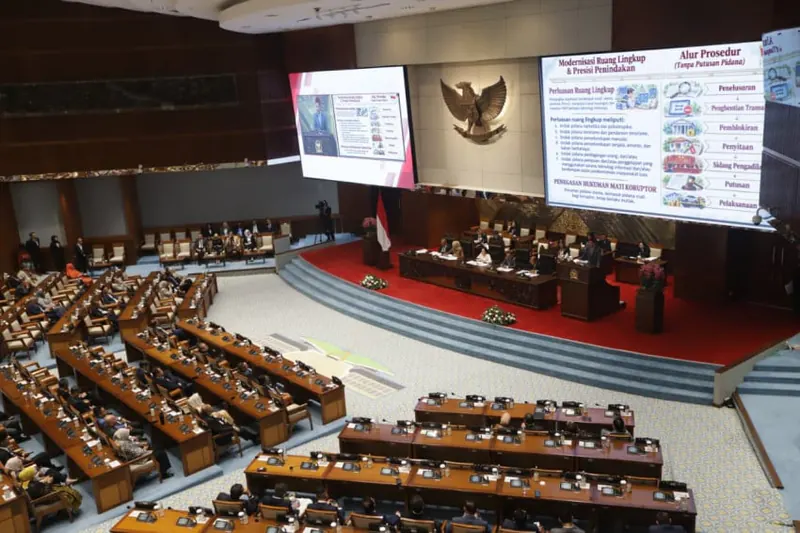
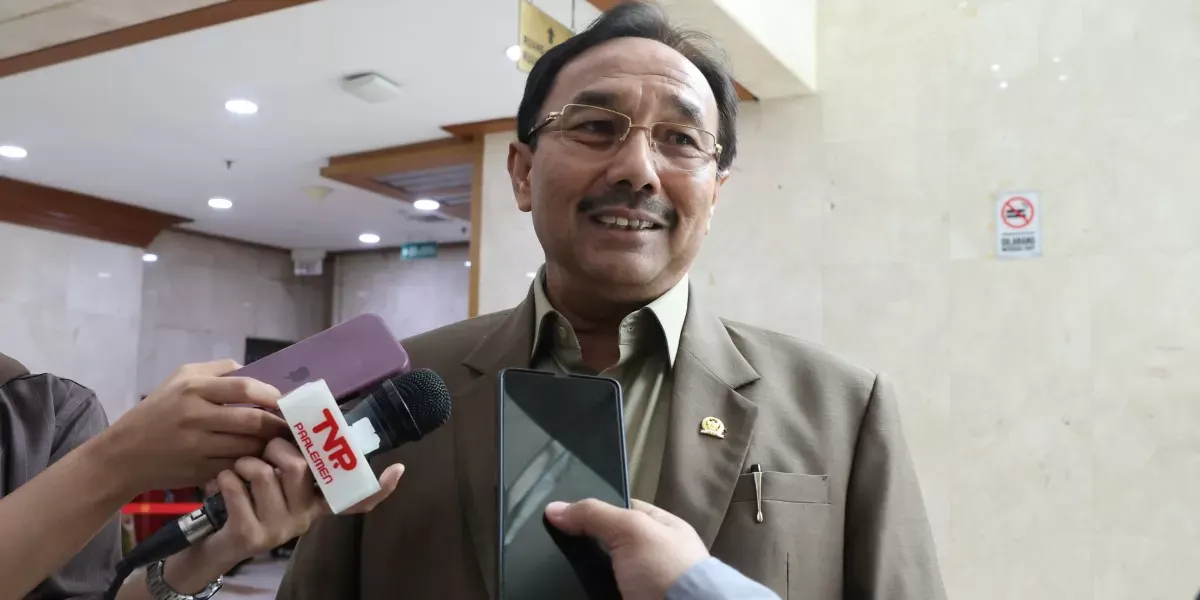
Habiburokhman, chairman of Commission III of the House of Representatives, has responded to an Indonesia Corruption Watch complaint to the House Honours Council over alleged ethical breaches in the deliberation of the draft asset forfeiture bill.
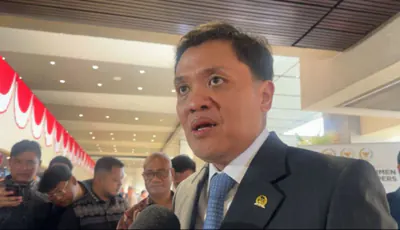
Chairman of Commission III of the House of Representatives (DPR) Habiburokhman has said that an Indonesia Corruption Watch (ICW) complaint to the House Honours Council (MKD) over the formal process of deliberating the draft asset forfeiture bill is not an ethics issue. According to TVRI News, ICW filed the complaint because it considered the bill’s text not to have been disseminated during deliberations.
He said the draft had been uploaded since the Panitia Kerja (working committee) submitted the Daftar Inventarisasi Masalah (DIM), a list of notes, proposals and objections to the draft’s articles. All stages, from Rapat Dengar Pendapat Umum (public hearings) to the plenary session, had been conducted openly and covered by the media, he added. Meetings were broadcast on TV Parlemen and the DPR’s YouTube channel. “There is no problem with ICW filing a complaint with the MKD,” he said. The remarks were made on Friday, 20 November 2026. He added that Commission III prioritised parties who volunteered as resource persons; at least 90 parties volunteered, but only 87 were accommodated. ICW reportedly never volunteered or submitted written input.
How bills are deliberated in parliament
In Indonesia’s legislative system, a bill is not passed immediately after it reaches the DPR. An academic paper and an initial draft are usually submitted by the government or by parliamentary bodies, then discussed through official procedures. The Daftar Inventarisasi Masalah (DIM) marks the starting point of deliberations because it contains notes, proposals and objections to the articles in the draft. The working committee examines the substance in more detail, while the Tim Perumus (drafting team) and Tim Sinkronisasi (harmonisation team) tidy the wording and ensure consistency across parts of the text.
Rapat Dengar Pendapat Umum, or public hearings, give civil society, academics, practitioners and affected groups space to present their views. However, hearing capacity is limited. For that reason, commissions may accept written input from parties unable to attend, or prioritise proposers who volunteered earlier. In parliamentary practice, openness does not always mean every organisation receives an equal seat; it is measured by access to information, publication of texts, broadcast of meetings and media coverage record.
Indonesia Corruption Watch is a civil society organisation that has long advocated transparency and anti-corruption law enforcement. The Mahkamah Kehormatan Dewan (MKD) is an internal DPR body that examines alleged violations of the code of ethics by members of parliament. ICW’s complaint to the MKD places the dispute in the realm of ethics, rather than seeking to cancel the substance of the bill. In other words, the MKD assesses whether the process breached legislators’ conduct norms, while the content of the law remains a matter of legal policy and, if challenged, review by the Constitutional Court (Mahkamah Konstitusi).
The asset forfeiture issue itself is sensitive because it touches state efforts to recover the proceeds of corruption and restore state losses. For that reason, public debate often links the speed of passage with the DPR’s willingness to open documents, absorb input and explain its stages to citizens. An ethics dispute of this kind is also a marker that legislative oversight now does not stop at the content of articles, but also at how those articles are shaped. The public can also trace whether submitted input was genuinely reflected in changes to the articles.
What the public should monitor
For citizens, the case is a reminder that access to bill texts is not a mere formality. Documents that are easy to open allow the public to check whether articles regulate mechanisms for restoring state losses and legal protection against abuse of authority. When a process is seen as closed, public trust in parliament is pressured even before the substance of a law takes effect. Document transparency also helps journalists and legal researchers compare drafts with final texts and identify articles changed without explanation.
Readers can monitor three things. First, whether the MKD processes the complaint openly and gives the accused party space to clarify. Second, whether the DPR again displays the draft, DIM, meeting minutes and a list of resource persons on its official channels. Third, whether written input from civil society organisations is answered in the final text, or the reasons for rejection are explained.
In practical terms, this ethics dispute does not directly change the content of the asset forfeiture bill. But it is a test of the culture of openness in Senayan, the seat of parliament. For the public, the more important lesson is to ensure that every legislative process can be traced, understood and supervised, because laws born in closed rooms are prone to legal challenges and resistance later on. If the DPR’s information channels are updated consistently, citizens will not need to rely on news snippets to assess whether a bill has been discussed honestly. Such openness is part of the legitimacy of the legislative process.
Related news
- Taj Yasin asks government programmes to drive local economy in Central Java
- Bangladesh hopes ICJ ruling will accelerate Rohingya repatriation
- Jakarta criminal cases: theft to 11,675 kg of methamphetamine