KPK detains staff of East Java DPRD member in suspected Rp441.7 billion grant bribery
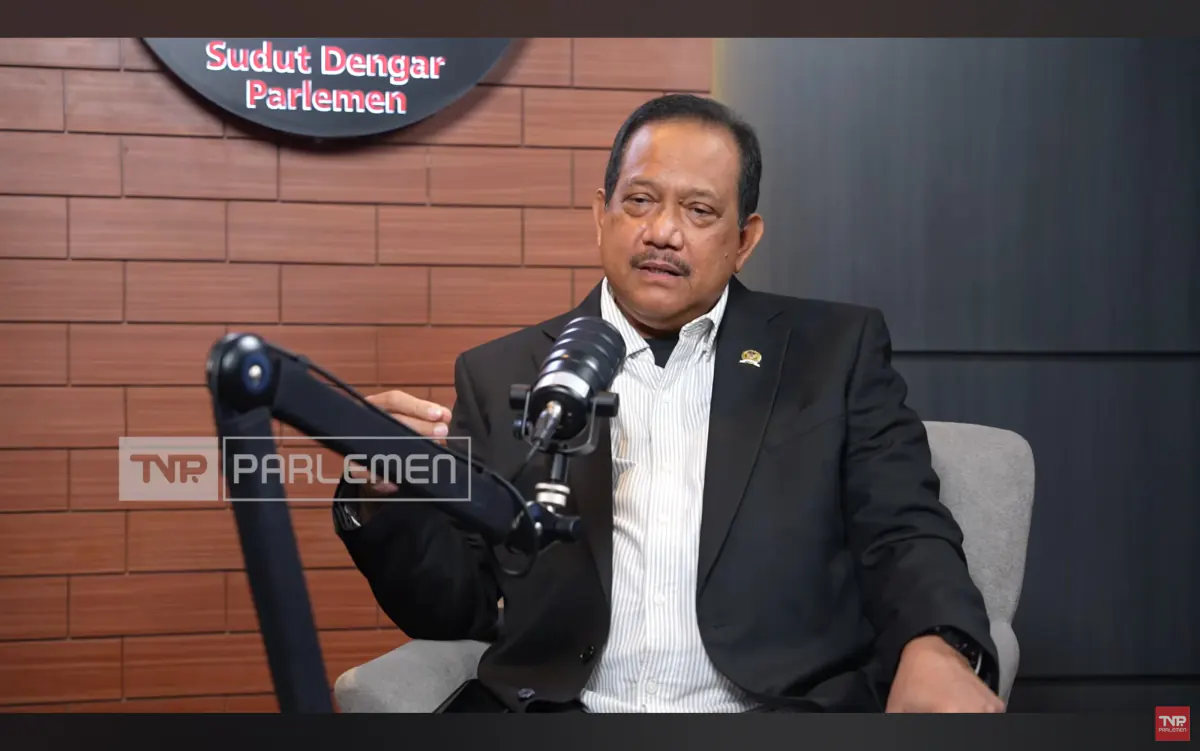
The Corruption Eradication Commission (KPK) has detained BGS, a staff member close to East Java Regional Legislative Council (DPRD Jatim) member AS, in a probe into suspected bribery over Rp441.7 billion in community grants.
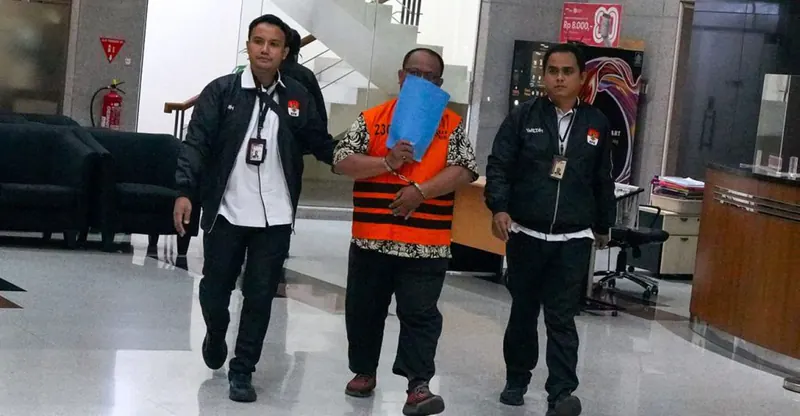
The Corruption Eradication Commission (KPK) has detained BGS, a staff member described as close to East Java Regional Legislative Council (DPRD Jatim) member AS, in a corruption probe into suspected bribery over community group grants from the East Java provincial government for fiscal years 2019-2022. The state-run public information portal InfoPublik reported that BGS was held for the first 20 days, from 16 November 2026 to 5 December 2026, at the KPK's Merah Putih (Red and White) branch detention house.
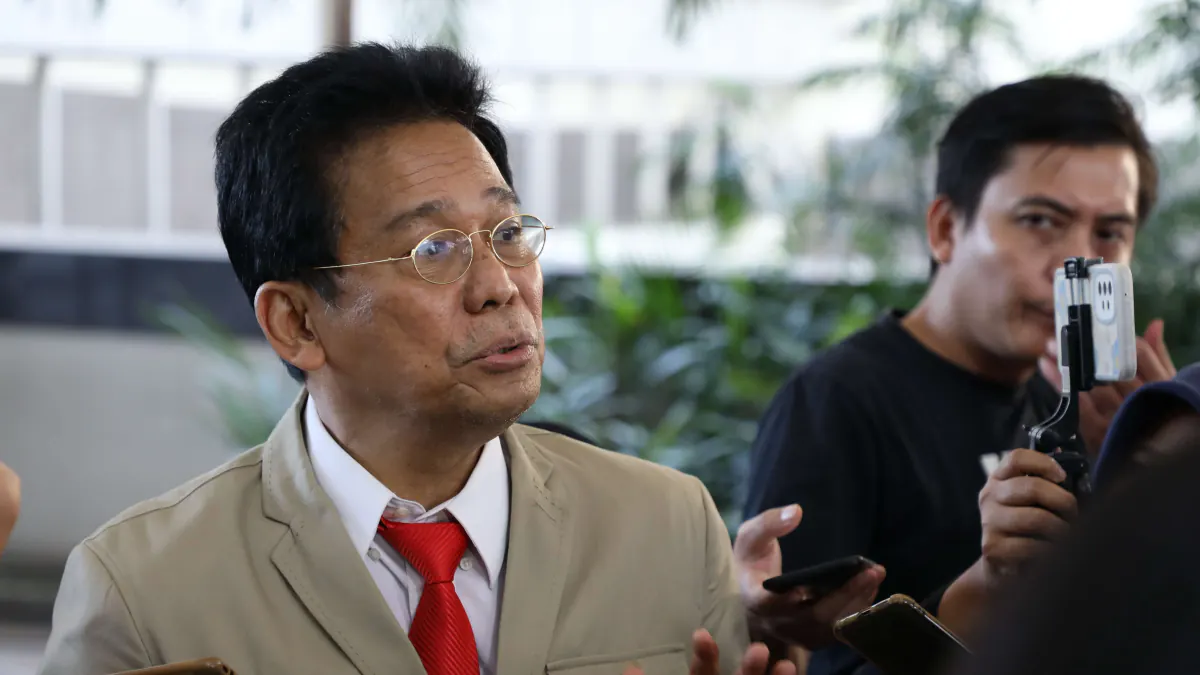
Director of Investigations Achmad Taufik Husein said BGS allegedly helped arrange work proposals funded by the grants, acted as a liaison for field coordinators, checked proposal completeness, and managed commitment deposits collected from field coordinators. The KPK suspects AS received about Rp40.5 billion, while BGS allegedly obtained Rp1.26 billion. In the case construction, the amount that actually reached residents' activities is estimated at only 55-70 percent of the originally proposed value.
Achmad Taufik said the allocation obtained by AS during 2019-2022 reached Rp291.5 billion, while the Rp441.7 billion figure (about US$27 million) referred to receipts in that period. The commitment fee allegedly demanded was 15-20 percent at the initial stage and rose to 20-25 percent during implementation.
The case had previously expanded with 21 suspects named on 5 July 2024: four suspected recipients and 17 suspected givers. BGS and AS are charged under Article 12(a) or (b) or Article 11 of Law No. 31 of 1999 on the Eradication of Corruption Crimes, as amended by Law No. 20 of 2001, in conjunction with Article 55(1) point 1 of the Criminal Code (KUHP). Investigators seized two houses said to be owned by BGS in Surabaya and Mojokerto Regency for asset recovery.
How grant funds can become a channel for brokers
Grant funds are non-binding, non-obligatory cash assistance from the government to community groups, institutions or organisations. In regional budget practice, grants are usually proposed through applications, verified by regional agencies, and disbursed after administrative and substantive requirements are met. Their purpose is to support activities considered beneficial to the public, such as community empowerment, social, religious, educational or health activities. Because the funds come from the regional budget (APBD), their use must be accountable and must not be used for private gain.
Risks emerge when many intermediaries are involved in the application process. Regional legislators are often seen as having a role in budgeting, so proposals from electoral districts or certain groups can become contested. In several cases handled by the KPK, a recurring pattern has been field coordinators collecting proposals, handling administration, and then demanding payment from prospective recipients. Such payments have no legal basis and turn grants into political transactions or prohibited economic dealings.
The term commitment fee in grant cases usually refers to a percentage demanded so that a proposal passes or a budget allocation is processed. That figure may appear in an initial agreement, but implementation can change because of operational costs, layered deductions, or demands from other parties. As a result, the money received by community groups does not match the proposed amount. The situation also makes audits difficult because fund flows are not always neatly recorded and some are made in cash.
Handling of large KPK cases is usually divided into clusters. The division helps investigators separate the roles of recipients, givers, intermediaries, and different stages of the legal process. Seized assets do not automatically prove guilt; seizure is part of recovering state losses and securing evidence. Until a final and binding court decision is issued, all suspects must still be treated as innocent.
What grant recipients should note
For Indonesian readers, the case bears directly on the quality of public spending. Grant funds cut through layers reduce the money that should be used for residents' activities. If community groups receive only a small part of the proposed amount, programs may be scaled down, delayed, or fail to reach their target. The impact is not only a loss to the state, but also the disappearance of benefits that residents should have received.
For prospective grant recipients, the case is a reminder not to rely easily on intermediaries who promise that proposals will pass. Applying through official channels, with documents that can be inspected, and without paying fees outside the rules is a safer step. Transparency matters because the funds come from local taxes and levies. When money flows are unclear, the people most harmed are those who need services or program support.
Going forward, public oversight can focus on three things: whether the investigation traces all fund flows, whether seized assets can be returned to the regional treasury, and whether system improvements can reduce proposals' dependence on intermediaries. Digitising applications, publishing recipients, and open audits could become shared priorities.
Related news
Indonesia and the United Arab Emirates (UAE) develop AI-based mangrove restoration; Madiun immigration office monitors 974 foreign nationals, with Malaysian Islamic boarding school students the most numerous; Agriculture Ministry (Kementan) affirms palm oil partnerships for national productivity.