Indonesia's Draft Asset Forfeiture Bill Could Track Suspected Corruption Assets Abroad
The draft asset forfeiture bill is expected to strengthen tracing of suspected corruption assets abroad through international cooperation and coordination among law enforcers.
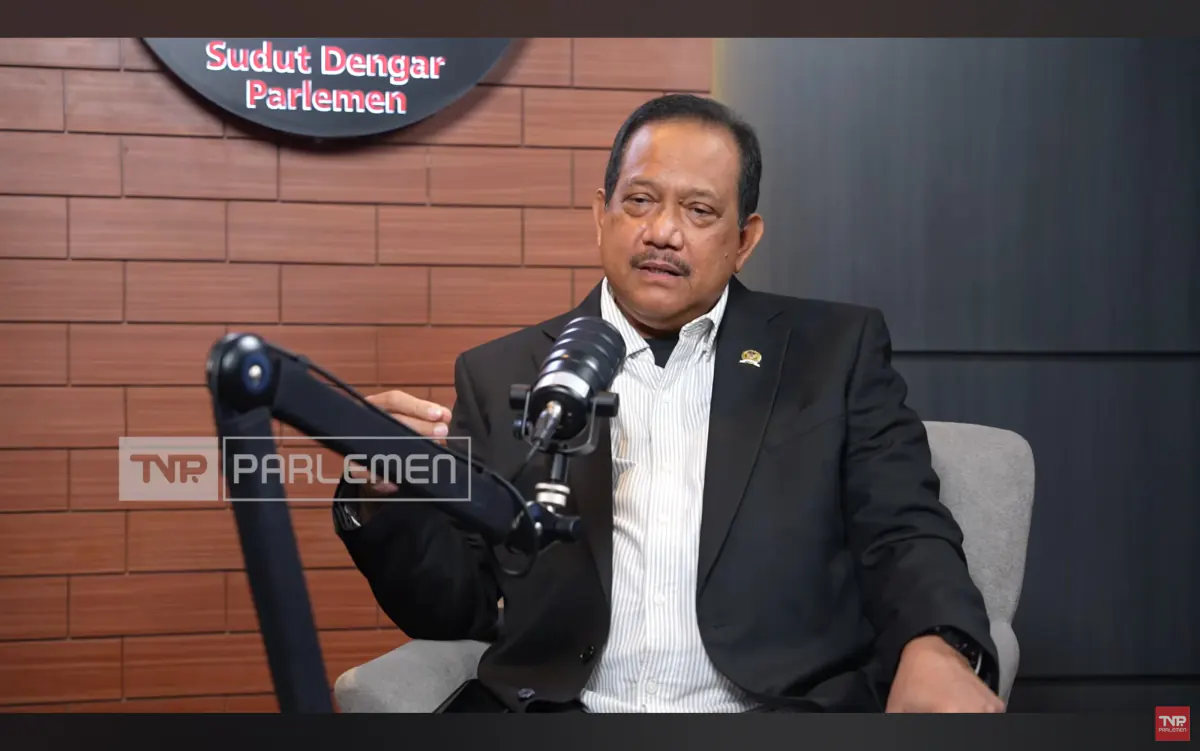
The draft asset forfeiture bill is expected to strengthen tracing of assets suspected of being corruption proceeds abroad, according to a report by Radio Republik Indonesia (RRI) on Wednesday.
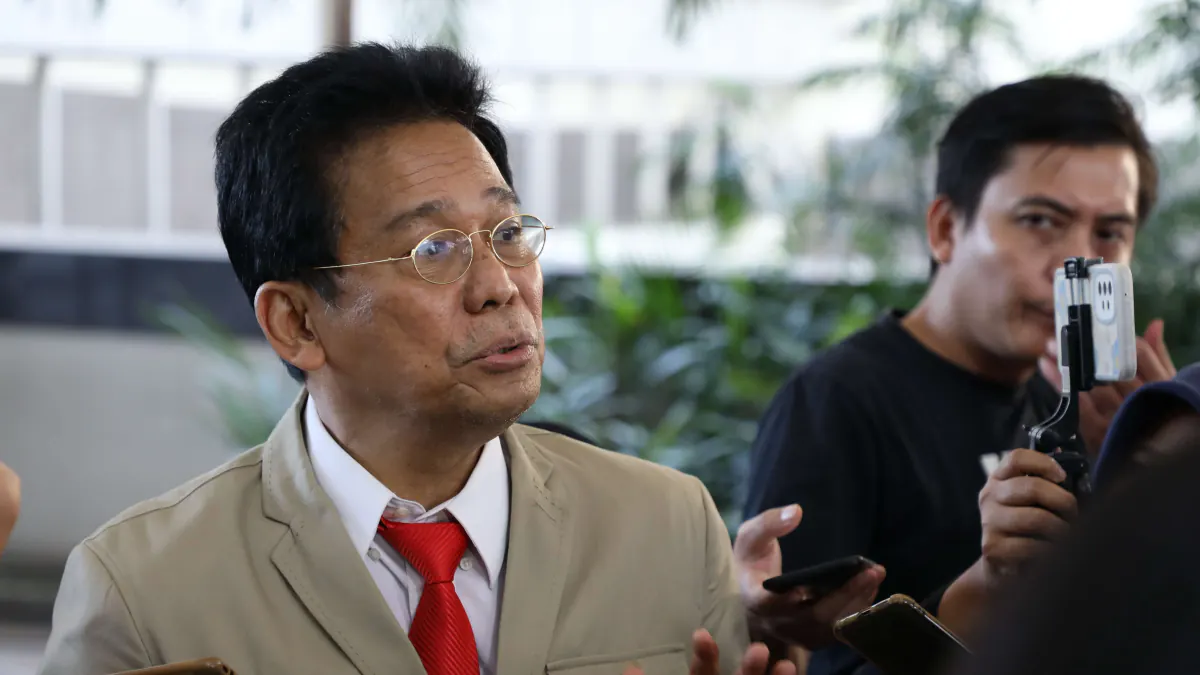
Rikwanto, a member of Commission III of the House of Representatives (DPR) from the Golkar faction, told RRI that the bill would regulate asset forfeiture mechanisms outside Indonesian territory. He stressed the need for synergy among law enforcement agencies and for regional and global cooperation.
According to Rikwanto, Indonesia has ratified the United Nations Convention against Corruption. The ratification provides a basis for international cooperation to pursue assets suspected of being proceeds of corruption.
He added that tracing assets abroad begins with verification in Indonesia. After that, authorities communicate with the country where the assets are located. He also referred to money laundering practices that can make funds suspected of being corruption proceeds appear to originate from legitimate businesses.
He was optimistic that such fund flows could still be traced through existing legal instruments, provided regulations are strong enough and law enforcement agencies are serious.
Legal trail of cross-border assets
Cross-border asset forfeiture is not new in modern criminal law. In simple terms, the state not only punishes people but also tries to reclaim the economic benefits of crime. In corruption cases, losses to the state do not always stop at home because criminal proceeds can be moved to overseas accounts, shell companies, properties, or financial instruments that are harder to trace. Such forfeiture models are also used to tackle other economic crimes, including money laundering and cross-border financial fraud. The principle is that the proceeds of crime must not be enjoyed.
That is why international cooperation is key. Indonesia has ratified the United Nations Convention against Corruption through a separate law. The ratification opens the door to mutual legal assistance, information exchange, and asset recovery requests. But ratification alone does not automatically bring assets back. Each country still has to run its own legal process, including proving that seized funds are suspected of originating from crime. In many countries, there is also the concept of civil forfeiture, which allows assets to be seized without waiting for a full criminal conviction, provided the evidence linking them is strong. That matters because criminal proceedings can take years.
In practice, asset tracing usually follows a long path. Authorities need to find preliminary evidence in Indonesia, then send an official request to the destination country. The destination country will check whether the request complies with local law, whether a cooperation agreement exists, and whether the assets are genuinely linked to crime. If the evidence is weak, the request can be delayed or rejected.
Another challenge is the form in which assets are held. Money can turn into shares, land, or businesses that appear legitimate. Therefore, asset forfeiture law needs to distinguish between assets suspected of being criminal proceeds and assets from other businesses. Without clear verification mechanisms, the state risks wrongful seizure or losing momentum to recover public losses.
Impact on the budget and the public
For Indonesian readers, the debate over this bill is felt most as a public policy issue, not news that directly changes commodity prices or electricity tariffs. Its impact works through the state: assets successfully returned can strengthen public revenue, as long as this does not conflict with budget rules. If cross-border tracing succeeds, losses long borne by taxpayers could be recovered.
What needs to be monitored is whether the bill is actually passed, how verification mechanisms are designed, and whether institutions such as the Financial Transaction Reports and Analysis Center (PPATK), the attorney general's office (Kejaksaan), and the Ministry of Foreign Affairs (Kementerian Luar Negeri) have clear coordination channels. Without implementing regulations, interstate cooperation can stall as slow-processed official letters. The public also needs to see whether seized assets can be used for programs that touch basic services, such as education and health. Public oversight through institutions' annual reports also needs to be strengthened periodically.
For now, its link to everyday life remains indirect. But the issue is important because it concerns trust in law enforcement. If assets suspected of being corruption proceeds can be traced and returned, the public can see that state losses are not merely figures in reports, but something that can be recovered and used for the common good. For taxpayers, this is relevant because lost state money means narrower fiscal space to fund public services.