Indonesia Passes Asset Confiscation Law; 1998-era Activist Calls for Transparency
The House of Representatives passed the asset confiscation law; 1998-era activist Andrianto Andri called for transparent, professional and non-discriminatory implementation.
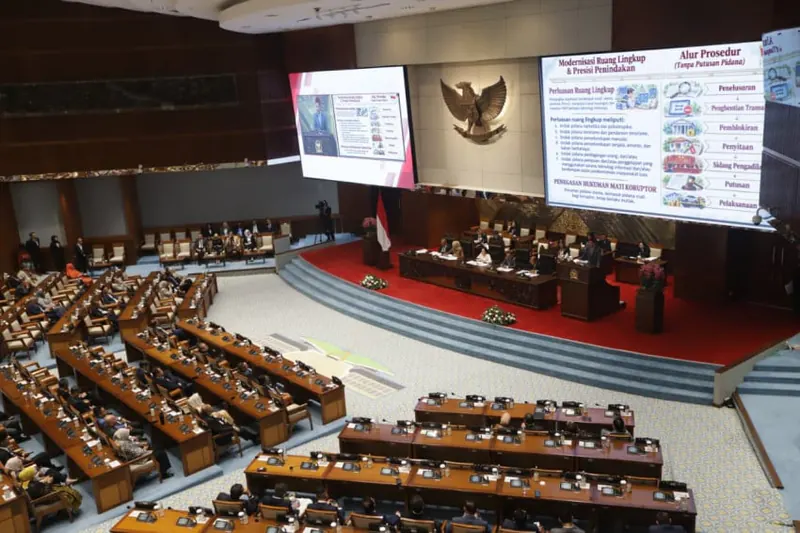
Indonesia's House of Representatives (DPR) passed the bill on asset confiscation related to corruption and other crimes into law during the 13th plenary meeting of the second session of the 2026-2027 parliamentary year on Thursday, 19 November 2026.
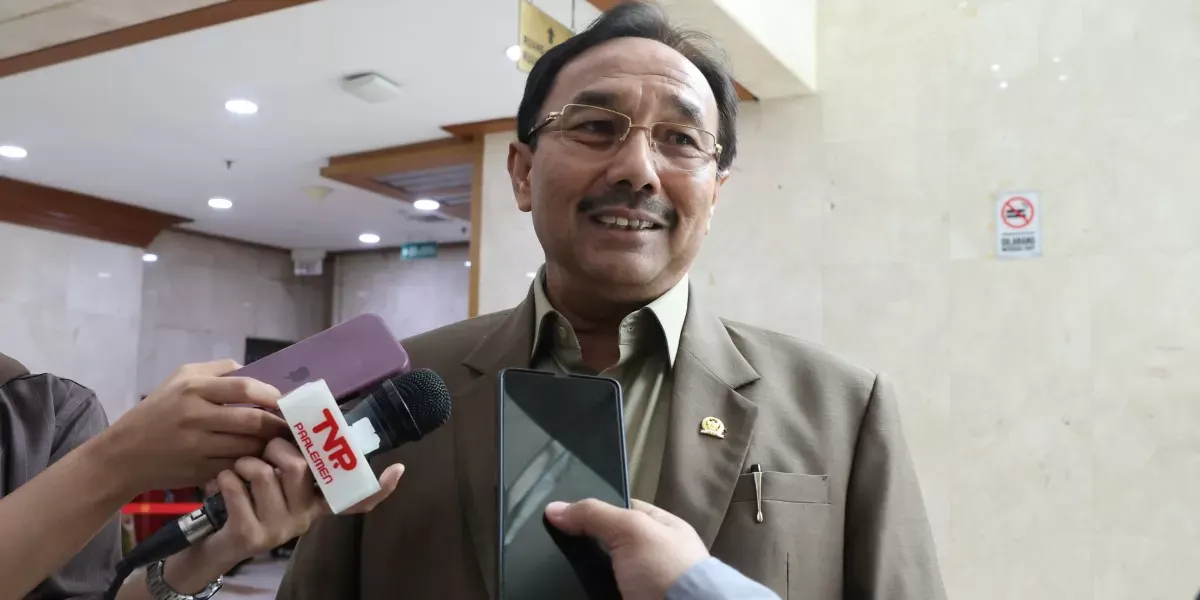
According to SINDOnews, the passage was welcomed by 1998-era activist Andrianto Andri. He called the decision by the House and government under President Prabowo Subianto a momentum for strengthening anti-corruption and economic crime efforts. Andrianto, Secretary General of the Jaga Republik Indonesia organization, said the state now has an instrument to trace and confiscate assets suspected to be proceeds of crime through the courts, including in certain circumstances without waiting for a criminal verdict against the person suspected. He pointed to cases where suspects die, flee or cannot be brought to court, leaving alleged proceeds of crime still enjoyed by certain parties.
Debate over asset confiscation mechanisms
Asset confiscation in anti-corruption cases does not always mean punishing a person first. In legal practice, some mechanisms target property, while others are attached to a criminal verdict against a suspect. The first is often called non-conviction-based asset confiscation, or proceedings against property, because it focuses on the link between assets and crime. The second is more common in Indonesia: assets are confiscated after a court finds a person guilty. Therefore, the term assets does not always mean cash found directly, but also economic value traceable through documents and transactions.
The newly passed law gives the state space to pursue wealth suspected to originate from corruption and other crimes through the courts, including in certain circumstances without waiting for a criminal verdict against the person suspected. The long-standing debate in parliament usually revolves around balancing recovery of state losses with protection of citizens' rights. The state must prove the link between assets and crime, while property owners have the right to defend themselves in court.
In Indonesia's political context, the passage also shows a shift in the legislature's position. The House, the government and law-enforcement agencies have for years discussed the need for a stronger instrument to recover state assets. Criticism of regulations like this usually comes from two directions: some say conventional criminal law is too slow, while others worry the new mechanism could be abused if court oversight and public transparency are weak. In the constitutional system, such authority must be exercised with control mechanisms so it does not become a political tool.
Technically, the success of the instrument depends on financial tracing capacity, inter-agency cooperation and data quality. Assets suspected to be proceeds of crime may include cash, land, vehicles, shares or property already transferred to other parties. Therefore, the court mechanism is important so each confiscation has an evidentiary basis, not merely an administrative action that could spark prolonged disputes later. Without accurate data, the state could lose in court while assets continue to change hands.
What the public should watch
For readers in Indonesia, the most tangible impact of the law is not on physical punishment, but on the state's ability to return money and assets lost from the state treasury. If assets suspected to be proceeds of corruption can be confiscated, budget losses could shrink, while the space for those alleged to enjoy criminal proceeds narrows. In the long run, this could strengthen the deterrent effect and increase public confidence in anti-corruption efforts. For taxpayers, recovery of state losses also means potentially larger public funds for basic services.
But the benefits depend on implementation. The public needs to see whether asset tracing is conducted openly, court decisions are accessible, and confiscated assets are managed and returned according to procedures that can be tested. Without transparency, the mechanism could instead trigger allegations of selective enforcement, especially when it targets political figures, businesspeople or officials with access to power. The public also needs to ensure seized assets are not left idle without economic value.
Therefore, the 1998-era activist's call for the regulation to be implemented transparently, professionally and non-discriminatorily is the main measure of success. What will be judged is not only the text of the law, but the consistency of law enforcers in using the new instrument without violating citizens' rights and property rights. If oversight is weak, uninvolved citizens may also be affected by property disputes.
Related news
House of Representatives member Yulius Setiarto asked for a review of the proposed special court police force; Pasopati urged the Pati Regional Legislative Council (DPRD) to follow up alleged ethics violations by council members; Defense Minister Sjafrie met House leadership to discuss improving the State Defense Law.