KPK Instills Integrity in Al-Fitri Ciracas Early Childhood Students
The Corruption Eradication Commission (KPK) instilled values of integrity in 25 early childhood students and three teachers at Al-Fitri Ciracas through stories, animation and simulations in Jakarta on Wednesday, 18 November.
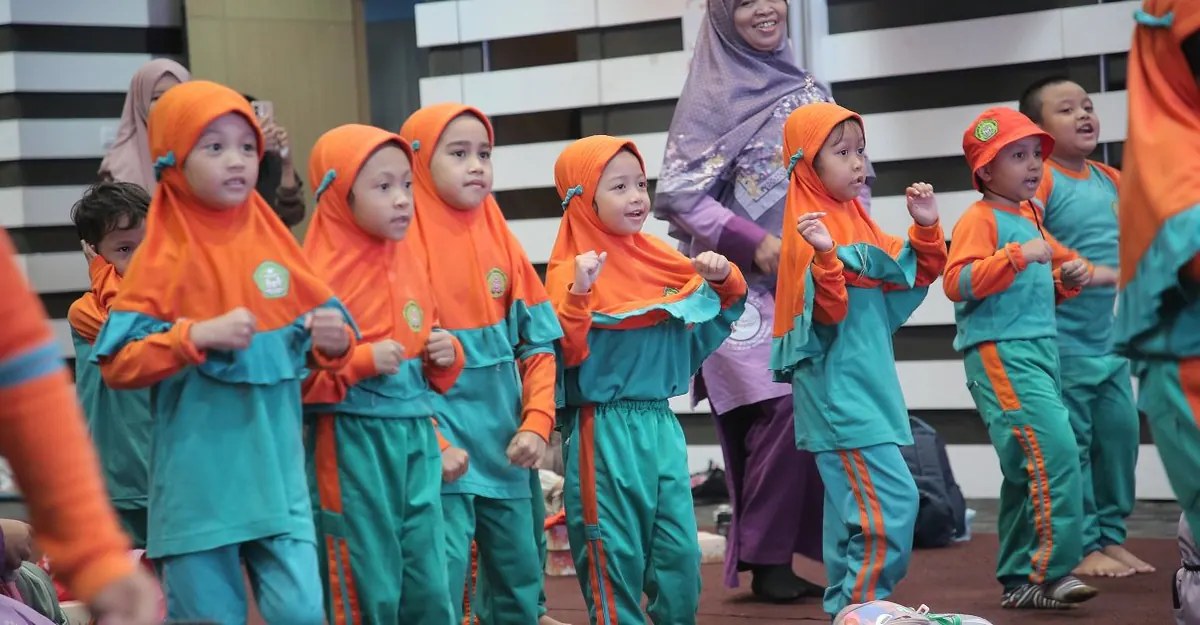
The Corruption Eradication Commission (KPK) instilled values of integrity in 25 children at Al-Fitri Ciracas Early Childhood Education (PAUD) and three teachers through an Anti-Corruption Education Dissemination program at the KPK's Anti-Corruption Learning Center (ACLC) in Jakarta on Wednesday, 18 November.
According to a KPK report, the activity used fable stories, animated films and simulations of everyday behavior to introduce honesty, discipline, responsibility and respect for the rights of others. Participants were also encouraged to make queuing, following rules and carrying out classroom duty a routine as practice in safeguarding trust.
Kurnia Puspita Sari, a member of the Early Childhood and Basic Education Task Force under the KPK's Education Networking Directorate, said anti-corruption values could grow from simple choices. She stressed that children need to understand the consequences of each choice rather than merely memorize rules.
Two materials used were the fable 'Angin di Perut Osyi' and the animation 'Buku Kesayangan Tupi'. The first story highlighted a child who hides a stomachache so as not to be left behind by the group, while the second dealt with taking a book without permission and taking responsibility after apologizing.
The activity was part of a prevention strategy targeting the education environment. The KPK sees classroom habituation as a way to introduce values of integrity before children are exposed to more complex situations.
Character Education as an Entry Point
Corruption prevention in Indonesia does not rest on enforcement alone. The anti-corruption body and the education sector have long treated value habituation as part of a long-term strategy. The approach starts from the understanding that deviant behavior does not always arise from major decisions, but from small habits allowed to repeat. If minor violations are treated as normal, the boundary between personal rights and the rights of others becomes blurred.
In early childhood education, values are usually taught through games, stories and classroom routines. Children are not yet asked to understand the law formally. What is instilled is a simple cause-and-effect logic: taking someone else's property without permission causes harm, lying damages trust and disobeying rules interferes with other people's rights. Habituation makes values easier to remember because they appear in concrete actions.
Methods such as stories, games and habituation are chosen because they suit children's developmental stage. Stories give children a safe distance to judge characters, while practical exercises turn abstract concepts into experiences they can feel. When children practice queuing, delaying their desires or carrying out classroom duties, they learn that other people's rights must be respected and shared responsibility must be fulfilled. These small exercises become a bridge to larger habits.
In Indonesia, character education is also linked to efforts to build a school culture that is safe, orderly and respectful of differences. Within that framework, children learn that integrity is not only for public officials but part of the ethics of living together. The role of teachers and families determines whether the message lasts. Without consistent examples, activities like this risk ending as short events quickly forgotten. Habituation at home helps children see the same values in different situations.
What It Means for Families and Schools
For Indonesian readers, the message of this activity is closest to daily routines. Queuing at a counter, not cutting in traffic, admitting mistakes at work or returning excess change are forms of integrity visible in public spaces. When such values are introduced from an early age, children gain the same reference point as they watch adult behavior around them.
The impact does not directly change prices, salaries or policy. But small habits can reduce social costs caused by dishonesty, such as time lost in chaotic queues, losses from cheating, or trust that is hard to rebuild after a transaction is damaged. For parents and teachers, consistency matters: values taught at school must be visible in practice at home and in the workplace. Children also need opportunities to take responsibility for small mistakes without fear of being judged.
Going forward, activities like this should be measured by continued habituation, not by the number of events. Schools can include responsibility exercises in classroom routines, while families can practice honesty through simple things. If children become used to distinguishing their own rights from the rights of others, an anti-corruption culture no longer depends on campaigns but becomes part of how people live together.
Related news
- Integritas Sekolah Menengah Rendah, KPK Perkuat Antikorupsi
- KPK Latih 49 Pegawai Telkom Jadi Penggerak Antikorupsi
- KPK Pakai Stand Up Comedy untuk Kampanye Antikorupsi