Prosecutors' Strategy to Uncover Money Laundering in Febrie Adriansyah Case Praised
SINDOnews reports say public prosecutors from the Attorney General's Office meticulously traced billions of rupiah in transactions in the case of former Deputy Attorney General for Special Crimes Febrie Adriansyah.
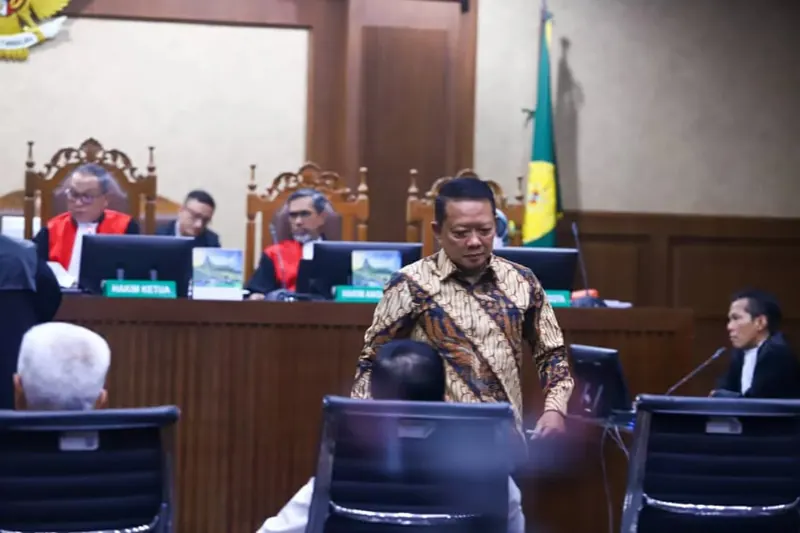
Public prosecutors from the Attorney General's Office (Kejaksaan Agung) traced payment transactions worth billions of rupiah allegedly routed through a law firm in the case of former Deputy Attorney General for Special Crimes Febrie Adriansyah at the Jakarta Corruption Court (Pengadilan Tipikor Jakarta) on Tuesday, 10 November 2026, as reported by SINDOnews.
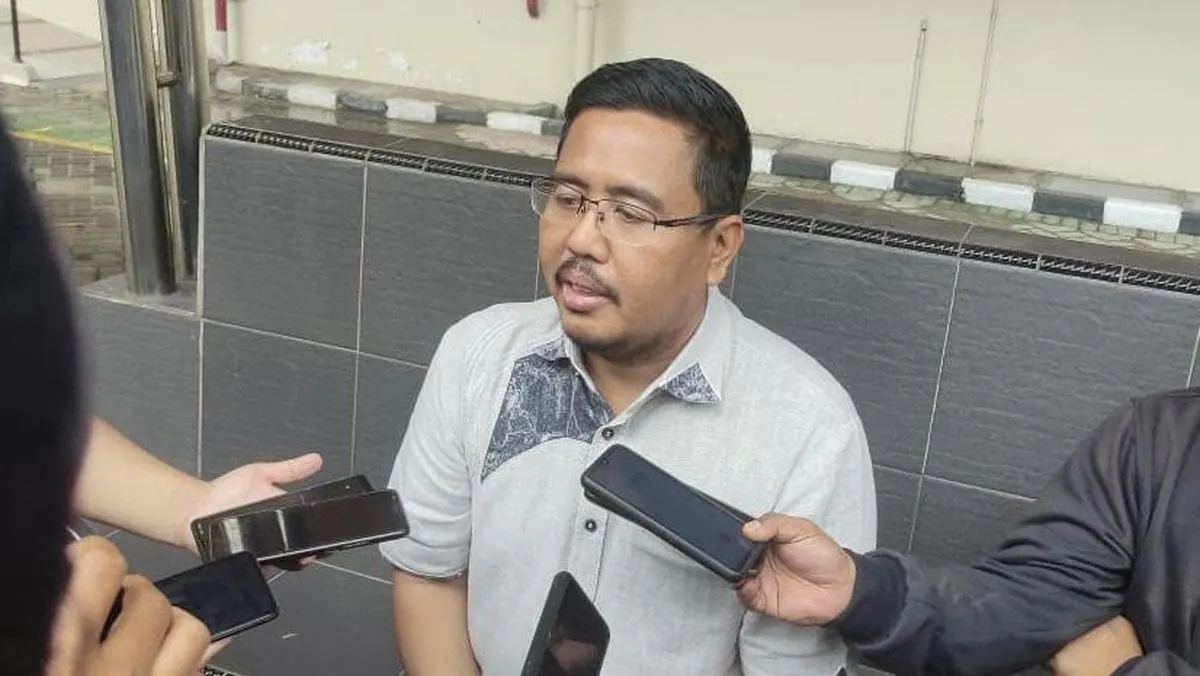
The trial remained in the evidence phase, with corporate witnesses scheduled for examination. Suparji Ahmad, a criminal law expert at Al Azhar Indonesia University, said the prosecutors' meticulous tracing of fund flows was key to uncovering the structure of money-laundering crimes (Tindak Pidana Pencucian Uang, or TPPU).
He said white-collar crimes often used layered methods, including exploiting law firms as formal instruments to disguise criminal proceeds. “The prosecutors' keen eye is crucial,” Suparji told SINDOnews on Tuesday.
The move drew praise because it was seen as showing firmness by the Attorney General's Office. Suparji said optimal application of TPPU provisions was urgent so that law enforcement did not stop at field-level actors but also targeted recovery of state losses.
Why law firms can become routes for disguising funds
Money laundering does not always appear as piles of cash. In practice, proceeds from alleged crimes can be disguised into seemingly legitimate objects, such as consulting services, litigation payments, advocacy funds, or transactions between business entities. Prosecutors therefore need to distinguish between normal professional activity and fund flows wearing a professional mask.
Law firms occupy a special position because they operate in a space of trust. Clients pay lawyers for advice, defence or mediation, so money flows can look legal when there are contracts, receipts and work reports. The problem is that formal documents alone do not prove the motive behind a transaction. Investigators and prosecutors must examine who ordered the payment, whether the service was actually provided, whether the payment amount was proportionate, and whether the funds came from a party facing legal proceedings. At the same time, the legal profession also needs protection from stigma when lawyers merely perform work in line with their code of ethics.
The follow-the-money approach is important because TPPU often involves corporate networks. Witnesses from companies can be used to link payments, bank accounts and personal interests. In this context, corporate witnesses are not merely supplementary, but a bridge between business decisions and personal interests. However, the presumption of innocence remains binding: corporations summoned as witnesses do not automatically become suspects, and people named in indictments are not proven guilty until a final and binding verdict. Therefore, the prosecutors' meticulousness is not only about seeking heavy punishment, but ensuring that every rupiah seized or confiscated can be accounted for in court.
In Indonesia, cases involving law enforcers are also sensitive because they concern institutional legitimacy. The public can judge whether law enforcement is carried out impersonally or selectively. Money-laundering proof therefore needs to be presented openly: from bank accounts and contracts to the economic benefits actually received. Without such transparency, society receives only a narrative of accusations, not evidence. In that way, the case does not stop at a prominent name, but at a trail of money that judges can verify.
Impact on public trust and legal practice
For Indonesian readers, the case is relevant because it touches two things that are rarely far apart: law enforcement and the use of professional services. If law firms, consultants or corporations are proven to have been used as channels for disguising funds, the impact could make advocacy practices stricter. Clients may be asked to explain the source of funds, the purpose of payments and details of work more thoroughly. This is not only a court matter, but also governance of money in the legal services sector. For companies, anti-money-laundering compliance may become a greater operational pressure, including transaction monitoring and documentation.
From the public side, a careful trial process can improve trust that lost state assets are not merely figures in an indictment. Asset forfeiture, if proven lawful, can potentially return state financial losses to budgets for education, health or infrastructure. The outcome of the case can therefore affect broader public spending, if assets are truly recovered. But readers still need to wait for a final and binding verdict before concluding who is responsible.
What will matter going forward is the consistency of prosecutors and judges in testing transaction evidence. If proof relies only on witness statements without documents tracing fund flows, the case could weaken. Conversely, if every rupiah can be traced, the message becomes stronger: positions and professional networks do not become shields against legal accountability.