KPK Reschedules Questioning of Anwar Sadad and Bagus Wahyudyono
The Corruption Eradication Commission (KPK) has rescheduled questioning of Anwar Sadad and Bagus Wahyudyono over alleged corruption in East Java community group grants.
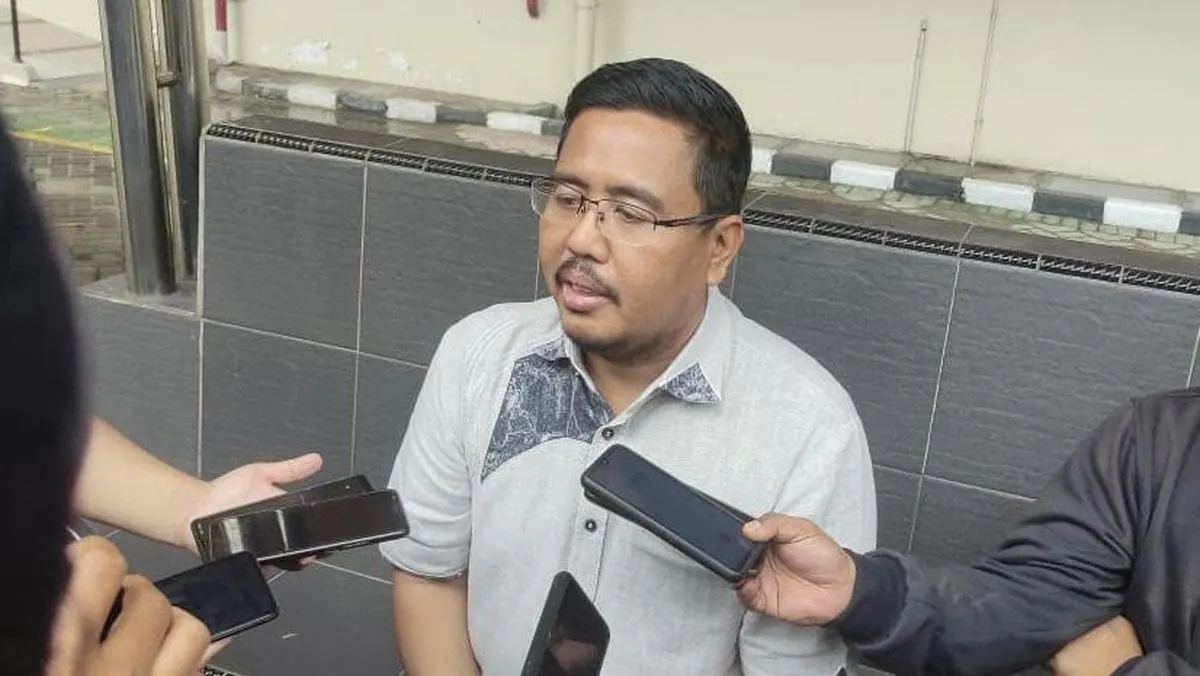
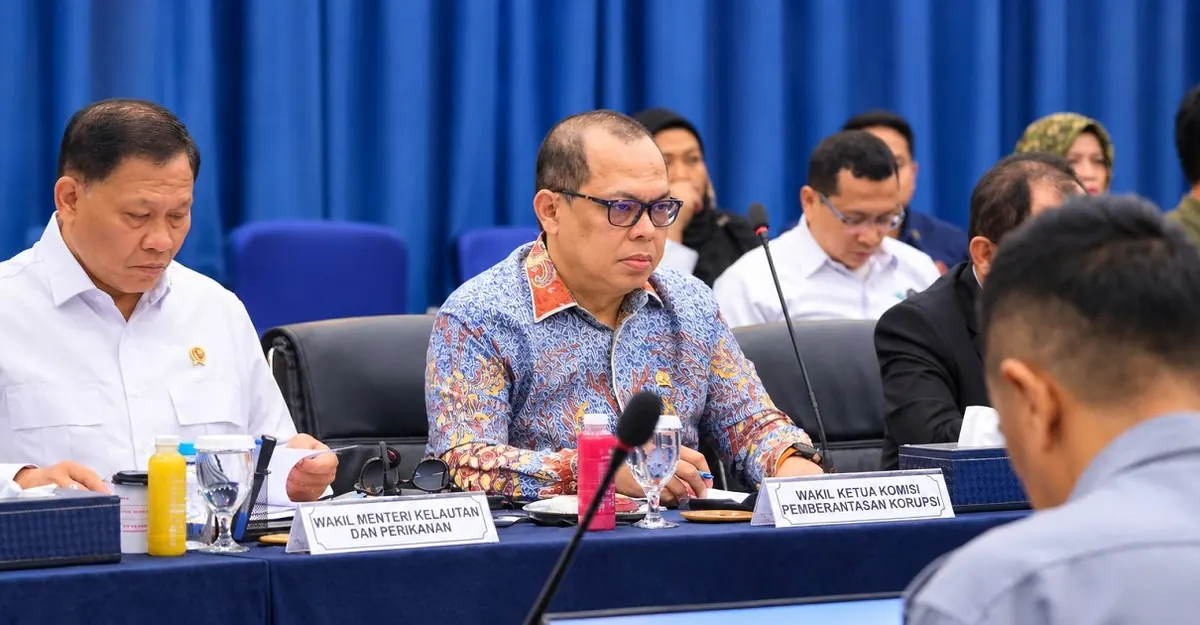
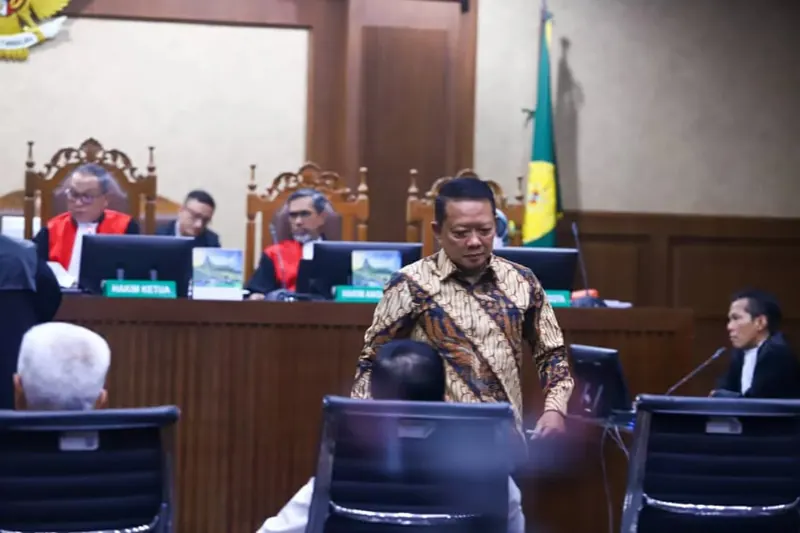
The Corruption Eradication Commission (KPK) has rescheduled the questioning of Anwar Sadad, a member of the Indonesian House of Representatives (DPR) from the Gerindra faction, and Bagus Wahyudyono, a private-sector individual, for Monday, 16 November, after both failed to appear for summonses on Monday, 9 November. Both are suspects in a case alleging corruption in the handling of community group (Pokmas) grant funds from the East Java provincial government's regional revenue and expenditure budget (APBD) for fiscal years 2019-2022.
According to CNN Indonesia, KPK spokesperson Budi Prasetyo said Anwar did not attend because he had a scheduled parliamentary recess activity, while Bagus was absent for health reasons. Budi said he hopes both will comply with the summons the following week so the investigation can be completed quickly.
KPK had previously named Anwar as a suspect on the receiving end of alleged bribes said to have reached Rp1.5 billion and about 1 kilogram of gold, as well as payment for a house in Surabaya and the establishment of an SPBE bulk liquefied petroleum gas filling business. The alleged bribe-giver, Moch Mahrus, who is now a member of the East Java Regional House of Representatives (DPRD), has been detained for 20 days until 16 August 2026. Mahrus is said to be one of 10 suspects in the bribe-giver cluster of the same case.
The role of Pokmas in East Java's APBD
Community groups, or Pokmas, are one channel through which local governments distribute grants and social assistance to residents. The scheme is commonly used for small-scale infrastructure, religious activities, economic empowerment and other social needs at village or subdistrict level. In many areas, Pokmas also serve as platforms for residents to cooperate in repairing roads, drainage channels or simple public facilities. In East Java, allocations for Pokmas grants form part of the APBD discussed with the DPRD, so lawmakers often act as intermediaries between community proposals and budget disbursement.
Because the funds are public money, Pokmas grant mechanisms are subject to rules on planning, budgeting and accountability. Each recipient is required to submit a report on how the money was used, while local governments carry out verification. In some cases, gaps in the proposal and disbursement process have opened space for transactions between those seeking allocations and officials or intermediaries believed able to influence budget decisions.
In the case handled by KPK, the term cluster is used to group suspects according to their roles, such as bribe-giver and bribe-recipient clusters. This grouping helps investigators map the flow of money and determine who allegedly served as a link between bribe-givers and budget beneficiaries. Suspect designation requires at least two pieces of evidence under the applicable criminal procedure law.
The parliamentary recess cited as Anwar Sadad's reason for absence is a routine agenda for DPR members to gather aspirations from their electoral districts. Recess schedules are usually set in the parliamentary calendar and often coincide with session periods, so summonses from law enforcement agencies can clash with constitutional duties. Investigators nonetheless retain a basis to reschedule examinations to complete case files. Such rescheduling is common in corruption investigations, particularly when suspects have official agendas that were set earlier.
Impact of law enforcement on grant management
For residents of East Java, the case touches directly on how public funds reach grassroots communities. When Pokmas grant schemes are alleged to involve the buying and selling of allocations, groups that genuinely need assistance can lose access, and village infrastructure projects can be delayed. The legal process is expected not only to complete the suspects' case files but also to prompt improvements to grant proposal and verification mechanisms so they are more transparent.
For readers outside East Java, the case is a reminder that regional grant funds across Indonesia share similar patterns of vulnerability. Transparency in APBD deliberations, oversight by the DPRD and citizen participation in monitoring disbursements are determining factors. Readers can follow the case to see whether the rescheduled summonses the following week lead to further detention or referral to the prosecution stage, which will shape the next direction of the legal process.
Developments in the case are also relevant to the business world, especially contractors and suppliers involved in grant-funded projects. The alleged flow of money for a house purchase and the establishment of an SPBE business shows that corrupt transactions can extend into the property and energy sectors. Businesses working with local governments need to ensure procurement follows the rules rather than passing through intermediaries that may violate the law.