Prabowo vice-presidential race: BKPRMI says Dasco bridges people's aspirations
The Indonesian Youth Mosque Communication Body (BKPRMI) says House of Representatives Deputy Speaker Sufmi Dasco Ahmad is fit to be President Prabowo Subianto's running mate, while Prabowo has 14 days to propose two vice-presidential candidates.
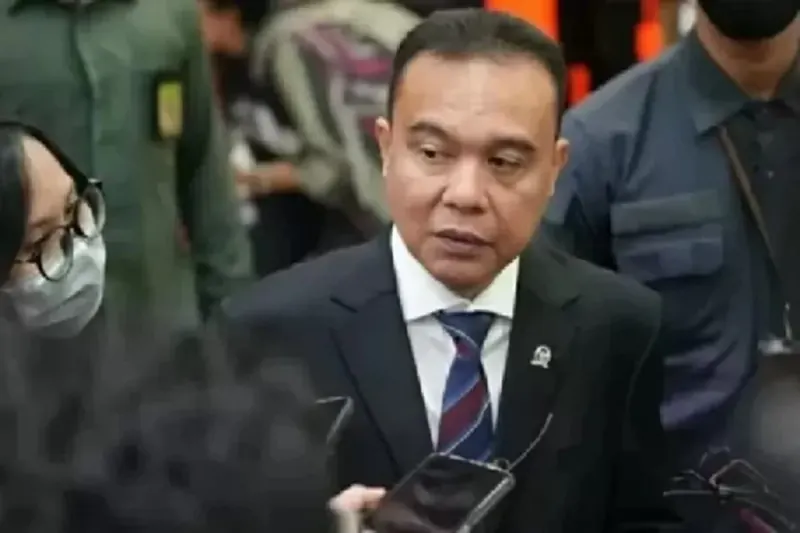
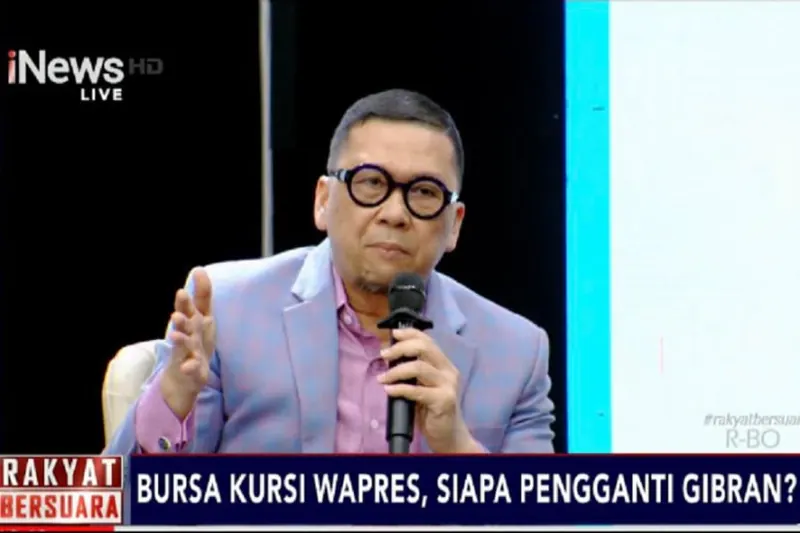
President Prabowo Subianto has 14 days to propose two vice-presidential candidates after receiving a letter from the People's Consultative Assembly (MPR) on 13 November 2026, as reported by SINDOnews on Monday, 16 November 2026. Speculation over the vice-presidential slot has intensified after Gibran Rakabuming Raka resigned from the post.
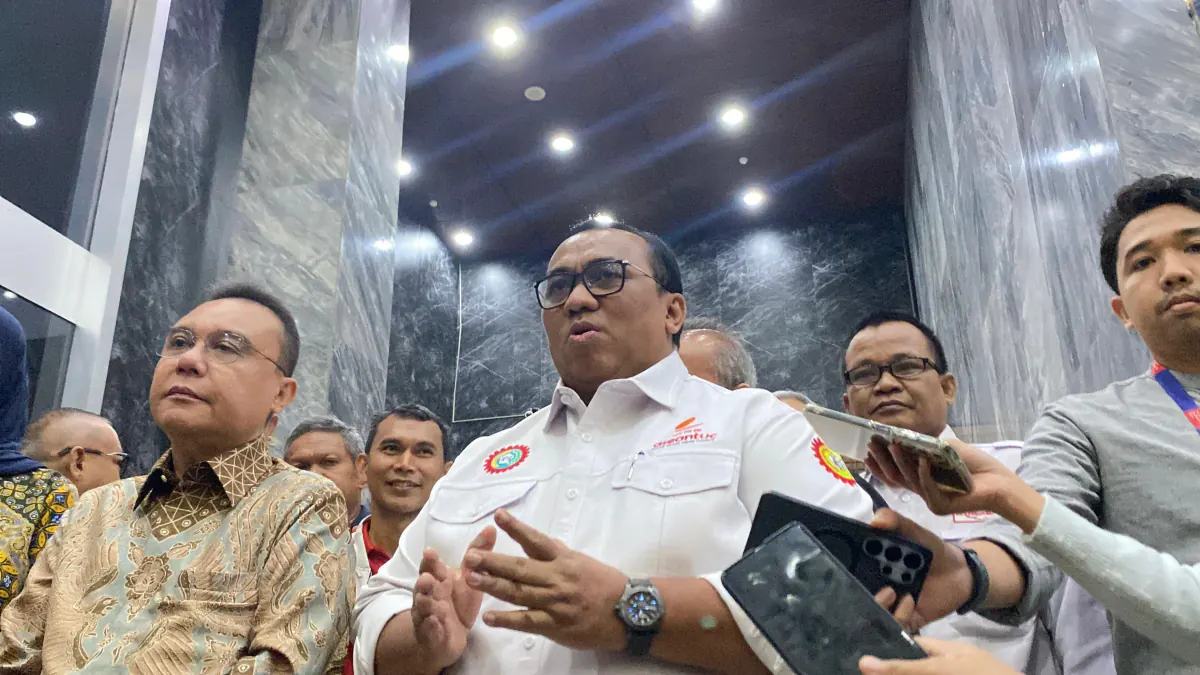
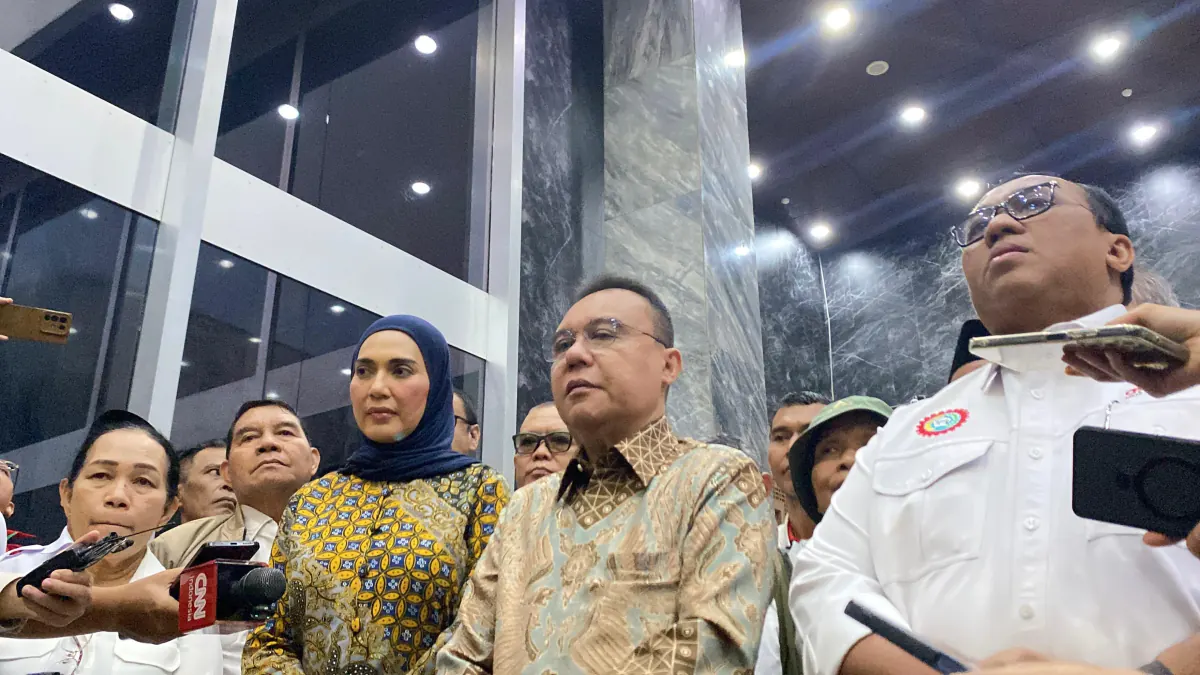
Sedek Rahman Bahta, deputy chairman of the central board (DPP) of Badan Komunikasi Pemuda Remaja Masjid Indonesia (BKPRMI), an Indonesian youth mosque communication body, said House of Representatives Deputy Speaker Sufmi Dasco Ahmad was a figure capable of bridging public aspirations with the government. Bahta cited Dasco's political experience, leadership maturity and cross-institutional communication as reasons for the support. He also linked Dasco's role to responses to student demands, labor controversies, music royalties and energy policy.
“We need a companion to the president who can listen to the people while bridging communication with the government,” Bahta said in a statement.
Constitutional rules when the vice presidency is vacant
A vacancy in the vice-presidential office always calls for political composure because filling it is not merely a matter of coalition agreement. Under the 1945 Constitution of the Republic of Indonesia (UUD 1945), the president proposes vice-presidential candidates to the MPR if the office becomes vacant. The MPR then chooses from the candidates proposed, meaning the process involves constitutional institutions and cannot be carried out by presidential decision alone.
The rule places the vice president within an executive structure chosen through constitutional procedures, rather than a position that can be appointed freely. Names circulating in public speculation therefore need to be read as political signals, while the formal decision still depends on the available mechanism. The proposal deadline set by the relevant institutions signals that the selection process must move quickly and cannot be left to drag on.
At the same time, Dasco's position as deputy speaker of the House of Representatives brings the vice-presidential discussion into questions about executive-legislative relations. Deputy speakers usually handle legislation, budgeting and oversight, and serve as a channel of communication with parliamentary factions. That experience can be seen as political capital for maintaining government stability, especially when the president needs a vice president who can ease friction and smooth dialogue between institutions.
Mass organizations such as BKPRMI also form part of the public opinion landscape. Support from mosque youth groups does not automatically decide the outcome of the selection, but it shows that the vice-presidential vacancy is being discussed beyond party circles. In Indonesia's presidential system, the legitimacy of a vice president is still determined by MPR procedures, while public pressure can shape political considerations. In practice, candidate proposals often come from coalitions, volunteers, mass organizations, public figures and the press.
What the vice-presidential speculation means for the public
For readers in Indonesia, the vice-presidential speculation is not just elite drama. The vice president helps the president coordinate policy, political communication and oversight of programs across ministries. If the office remains vacant for too long, agendas that require symbolic presence or high-level coordination may move more slowly. The public has a right to monitor whether the filling of the post follows procedure and produces a figure who understands national problems. Stable communication between the presidential palace, the House of Representatives and regional governments can also affect how quickly public issues are handled.
The issues raised by BKPRMI, from student demands and labor questions to music royalties and energy, show that vice-presidential candidates are being judged by their closeness to everyday problems. In this context, the ability to listen and bridge interests becomes more relevant than party background alone. Readers can trace candidates' track records on issues that touch daily life: energy prices, worker protection, creators' rights and space for young people to express their views. When a vice-presidential candidate is described as close to student and worker concerns, the public can demand concrete explanations of the steps the candidate would take.
Going forward, attention should focus on transparency in the MPR process and on candidates' consistency with the government's program promises. Name speculation can move the political market, but its impact on policy will only be felt once the chosen candidate begins working. The public should therefore treat vice-presidential discourse as a test of communication between institutions, not merely as a change of figure at the top of government. Monitoring should also cover whether the MPR process is open, whether candidate proposals are accompanied by reasons that can be tested publicly, and whether the chosen name has the capacity to carry out coordination functions.
Related coverage
Prabowo stresses that national wealth must be enjoyed by the people; the Prosperous Justice Party (PKS) says Gibran Rakabuming Raka should resign and the House of Representatives could use its right to express an opinion (Hak Menyatakan Pendapat, HMP); Hidayat Nur Wahid resigns as deputy chairman of the MPR, with PKS saying it is a new assignment.