Prabowo urged to choose nonpartisan vice president to keep coalition secure
A proposal that President Prabowo choose a vice president from outside party ranks is seen as a way to preserve coalition solidarity.
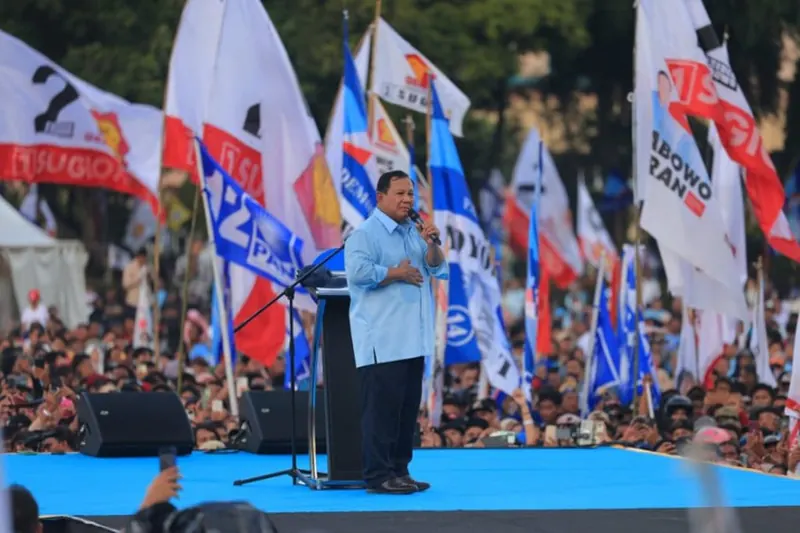
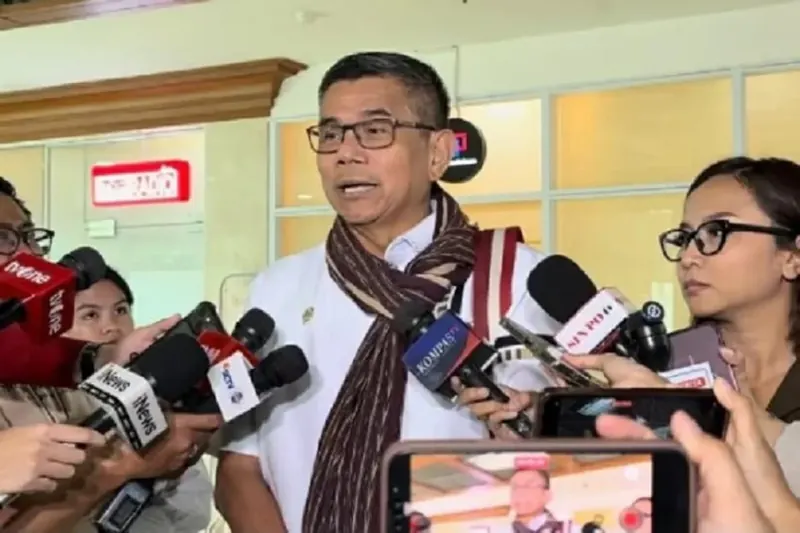
President Prabowo Subianto was urged on Saturday, 21 November 2026, in Jakarta to be careful in choosing a vice president to replace Gibran Rakabuming Raka. Prof. A Bakir Ihsan, a professor of political science at UIN Syarif Hidayatullah Jakarta, a state Islamic university in Jakarta, said a nonpartisan technocrat would be safer because it would not trigger jealousy among coalition parties.
According to a SINDOnews report, Bakir Ihsan said choosing a vice president from one of the parties, including the Gerindra party, could spark a power struggle inside the government. He argued: “The president should not be faced with a difficult choice of having to pick a vice presidential candidate from Gerindra.”
He added that the risk would rise if the candidate came from a small party and was not agreed upon by the entire coalition. Parties that feel they have not been accommodated could withdraw support and disrupt the running of the government.
Coalition rules and the vice presidency
Under Indonesia’s system of government, the president holds executive power, while the vice president helps carry out presidential duties. The vice president can also step into the president’s role in the event of a permanent or temporary impediment. The position is therefore not symbolic; it is part of the state leadership chain and can shape policy direction, relations with parliament and confidence in the political market.
The test becomes more complicated when a government is built on a multi-party coalition. Parties that support the president usually hold seats in parliament, have access to positions and have stakes in government programmes. In such circumstances, the appointment of a vice president is often read as a sign of how influence is being shared. If one party is seen as receiving privileged treatment, other parties may feel weakened. By contrast, a vice president drawn from nonpartisan professionals is seen as not carrying a party agenda and therefore more acceptable to all sides.
On the other hand, small parties that feel they are merely fillers often look for ways to raise their bargaining value. They can use parliamentary rights, delay approvals or push issues that are sensitive for the government. A compromise over the vice presidential name is therefore part of conflict management within the coalition.
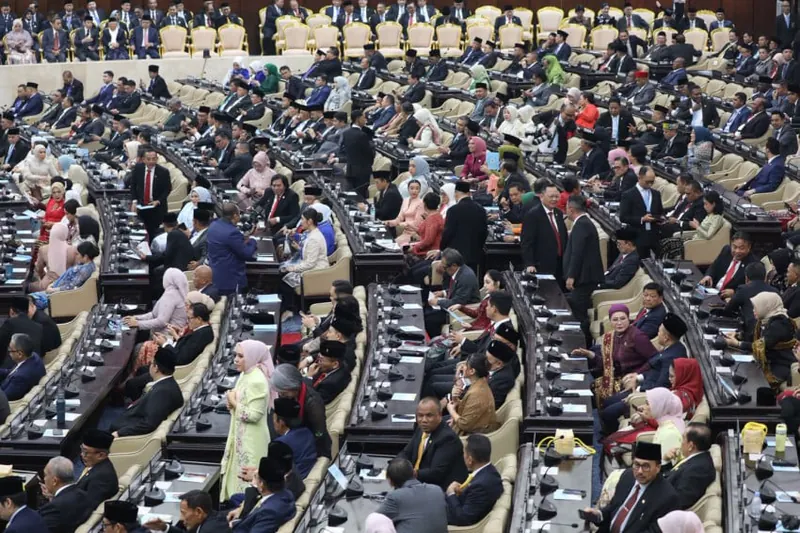
Constitutionally, filling a vacant vice presidential post is not entirely in the president’s hands. The president submits two candidates to the House of Representatives (DPR), and parliament then chooses one of them within a set time limit. Under that mechanism, agreement among coalition parties remains important because the candidate must secure parliamentary support. But the process also opens space for political bargaining, especially when several parties feel entitled to the position.
The term “twin suns” used by Bakir Ihsan refers to a situation in which there are two centres of power around the executive. In political practice, this can emerge if a vice president is seen as having too strong a party base or a separate leadership ambition. If it is not managed through clear agreement, internal coalition rivalry can weaken voting discipline in parliament, slow legislation and make the government’s agenda easier to question.
What it means for political stability and policy
For readers in Indonesia, the issue matters because the stability of the governing coalition shapes certainty in policymaking. When parties backing the government are solid, the executive’s agenda can usually be discussed more easily in parliament, including the budget, laws and public-sector policies. Conversely, if jealousy emerges because the choice of vice president is seen as unfair, parliamentary support can weaken. The effects could include delayed deliberation of bills, sharper tug-of-war among interests, or a more vocal opposition discourse.
The proposal to choose a vice president from outside party ranks can also be read as an effort to maintain the image of a more technocratic government. For the public, nonpartisan figures are often associated with competence in a particular field, rather than merely the result of a distribution of posts. But that does not automatically make the government more effective. Without the support of coalition parties, a vice president still needs political legitimacy to carry out coordination and keep communication with parliament.
What should be watched next is whether the vice presidential replacement process follows constitutional mechanisms and whether all coalition parties feel represented. The public therefore needs to assess not only the candidates’ names, but also their track records, coordination capacity and commitment to the government’s programme. Otherwise, the political risks feared by Bakir Ihsan could turn into real friction. For the public, elite-level friction may not be felt immediately, but it can affect the speed of the state’s response to economic problems, public services and investor confidence in government policy.
Related news
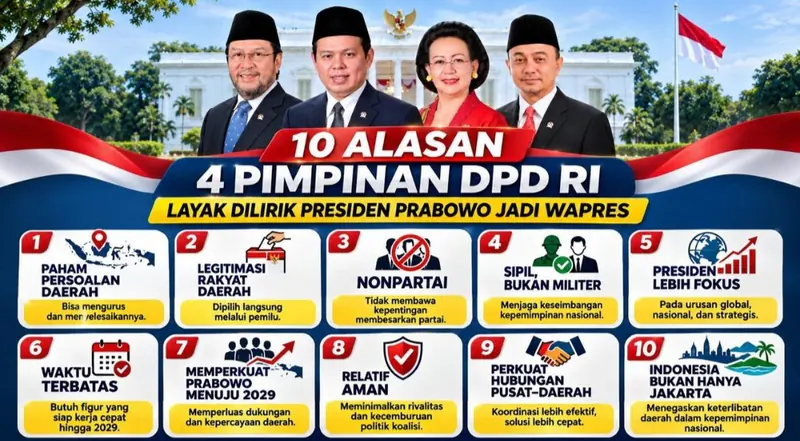
- Prabowo asked to consider leadership of the Regional Representative Council (DPD) as vice president
- Prodem says Dasco represents civilian leadership as Prabowo’s vice president
- Fahira Idris backs Sufmi Dasco Ahmad as vice president