MPR Verification Team Divides Checks on Vice-Presidential Candidate Into Three Working Groups
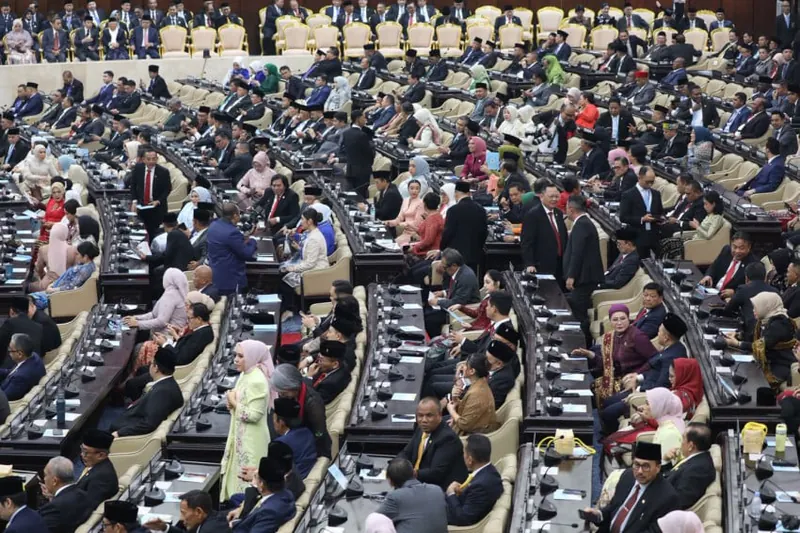
The verification team of Indonesia's People's Consultative Assembly (MPR) has divided checks on requirements for a vice-presidential candidate replacing Gibran Rakabuming Raka into three working groups with a seven-day work period.
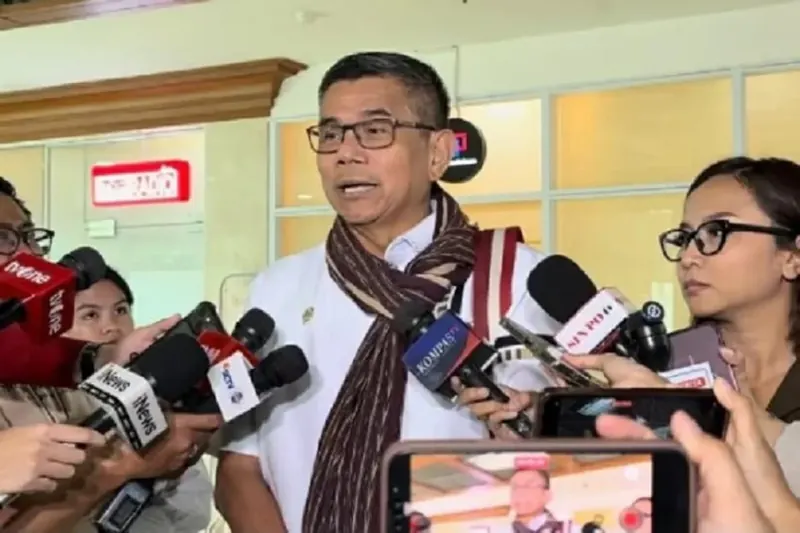
The verification team of Indonesia's People's Consultative Assembly (MPR) has divided the review of requirements for a vice-presidential candidate to replace Gibran Rakabuming Raka into three working groups with a seven-day work period, according to a report by SINDOnews on Saturday, 21 November 2026.
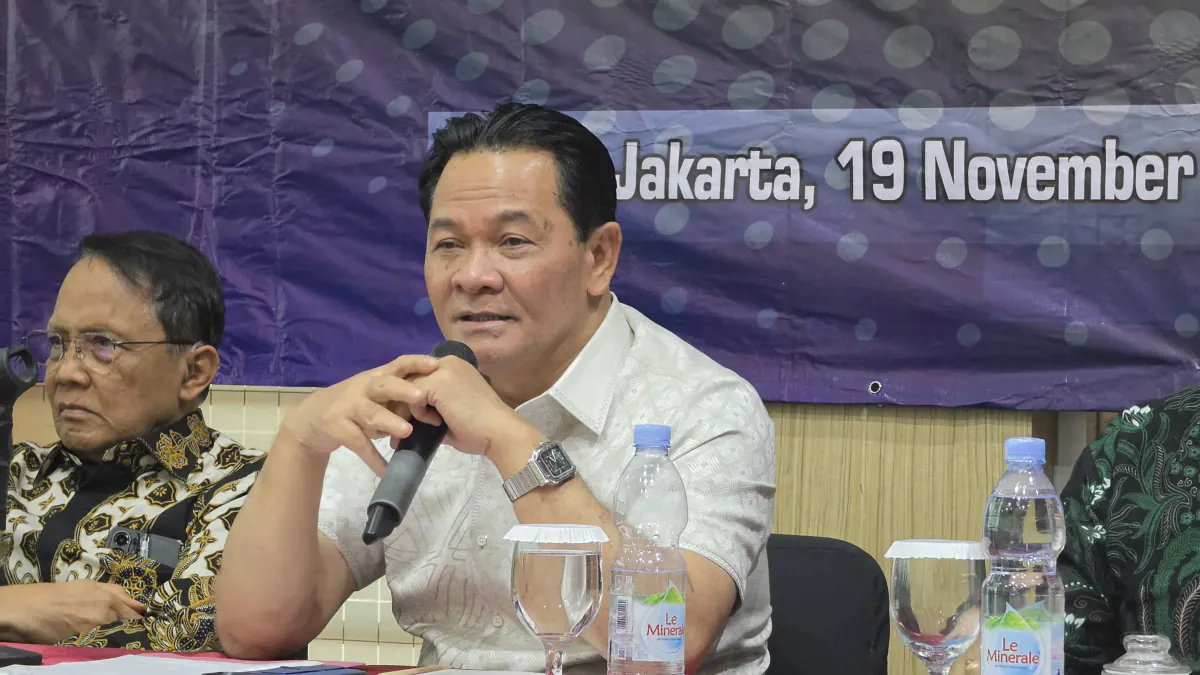
Hinca Panjaitan, an MPR verification team member from the Democratic Party faction, said the division was part of drawing up a work program so that the details of requirements and personnel could be examined according to their respective fields. He said he was in Working Group Two, which focuses on verification at legal institutions, including courts and the Corruption Eradication Commission (KPK).
He said the checks would not be limited to paper. The team would go directly into the field, guided by an established checklist.
Role of the MPR in filling a vice-presidential vacancy
In Indonesia's constitutional system, the president and vice president are elected as a pair in a general election. The constitution does not treat the vice-presidential post as a position that can be filled by the president alone. Therefore, when the vice-presidential seat becomes vacant, the MPR becomes an institution involved in the filling process, with a mechanism that demands administrative and political caution. The MPR itself is composed of members of the House of Representatives (DPR) and the Regional Representative Council (DPD), so decisions produced within it carry broad representative weight. That caution is relevant because the vice-presidential office is attached to the electoral mandate obtained by the candidate pair in the general election.
Candidate verification is usually an important stage before an MPR session. The examining team is tasked with ensuring that each candidate meets formal requirements, such as citizenship, age, education, health, not currently a convicted person, and not having interests prohibited in candidacy. These requirements are generally based on the constitution and laws governing elections and the composition of the MPR. The process is important because candidate requirements concern not only documents but also track records that can affect the legitimacy of the office. Therefore, document checks need to be accompanied by tracing data sources that can be accounted for in the MPR forum.
Dividing work into groups is common when the objects of examination are numerous and span institutions. Each group can be organized according to the type of document, the institution issuing certification letters, or the legal aspects that must be checked. This method helps prevent overlap, speeds up tracing, and makes examination notes more measurable. With such a division, the team can compile a neater list of findings and make it easier for the forum to take a position. This kind of division also facilitates public oversight, because each working group can be asked to explain the scope of its duties.
Verification also does not stop at the completeness of files. In the practice of state institutions, checks can include seeking clarification from courts, anti-corruption agencies, immigration authorities, population agencies, or relevant ministries. The aim is to ensure that information submitted by candidates matches data in official sources. This stage becomes an initial filter before political decisions are taken in the MPR forum. If there are files that are incomplete or contradictory, the team can request additional explanations before the final report is submitted. With those notes, the team's final report becomes an important reference before the MPR makes a decision.
Impact on national political stability
The verification process for a vice-presidential candidate is not only an internal matter for the MPR. The result will determine whether the second-highest office is filled by a figure who meets legal requirements and has public legitimacy. For readers, this stage relates to the certainty of the direction of government, especially when the vice president holds a role in policy coordination, handling social issues, and relations with regions. In addition, clarity on candidate requirements can dampen prolonged speculation and provide certainty for government apparatus.
The speed and diligence of the team also affect public trust. If the examination is conducted transparently, the public can see that filling the office is not done hastily. Conversely, if verification is only a formality, potential lawsuits, political protests, or doubts about the outcome of the MPR session can emerge. Therefore, the team's report needs to be read as part of the accountability of state institutions. The public also has a right to know whether the team's findings are presented with a clear basis, not merely brief conclusions.
In the short term, these developments most affect the political agenda in Senayan, Jakarta's parliamentary district, and Istana, the presidential palace. The public needs to watch whether the team submits its report according to the work period, whether any candidate is declared to have met the requirements, and whether the MPR session proceeds with a valid quorum. News from this process can also affect the atmosphere of the political market and party calculations ahead of the next national agenda. If the report gives rise to differing interpretations, the MPR session will become the place to test those arguments openly.
Related stories
- Mahfud MD and Titi Anggraini warn about the deadline for vice-presidential candidates
- Yusril and Sjafrie discuss accelerating the state defense bill
- Commission III of the House of Representatives pushes for two agencies in the asset forfeiture bill