Election Organizers Honor Council to Put All KPU and Bawaslu Commissioners on Ethics Trial Over Gibran Candidacy, Says Case Targets Individuals
The Election Organizers Honor Council (DKPP) has scheduled ethics hearings for all commissioners of the General Elections Commission (KPU) and the General Elections Supervisory Body (Bawaslu) over the verification of Gibran Rakabuming's candidacy documents in the 2024 presidential election.
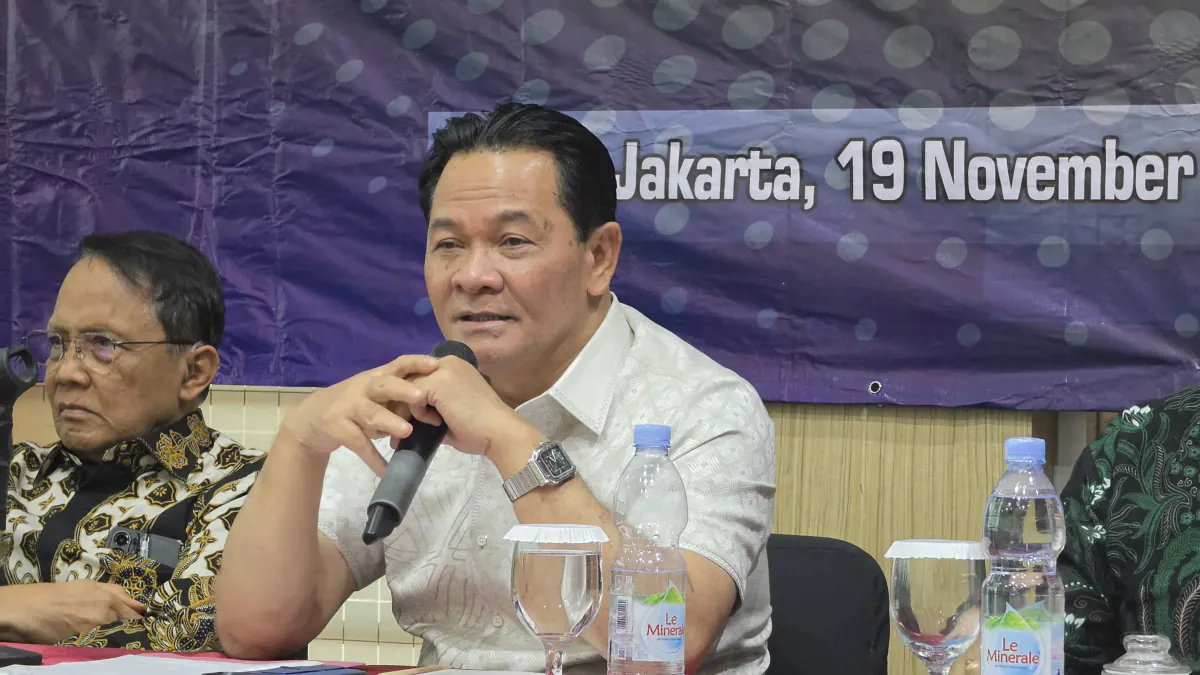
The Election Organizers Honor Council (DKPP) has scheduled ethics hearings against all commissioners of the General Elections Commission (KPU) and the General Elections Supervisory Body (Bawaslu) for Monday, 23 November 2026, as reported by Radio Republik Indonesia (RRI). The hearings concern the verification of the validity of Gibran Rakabuming's candidacy documents in the 2024 presidential election.
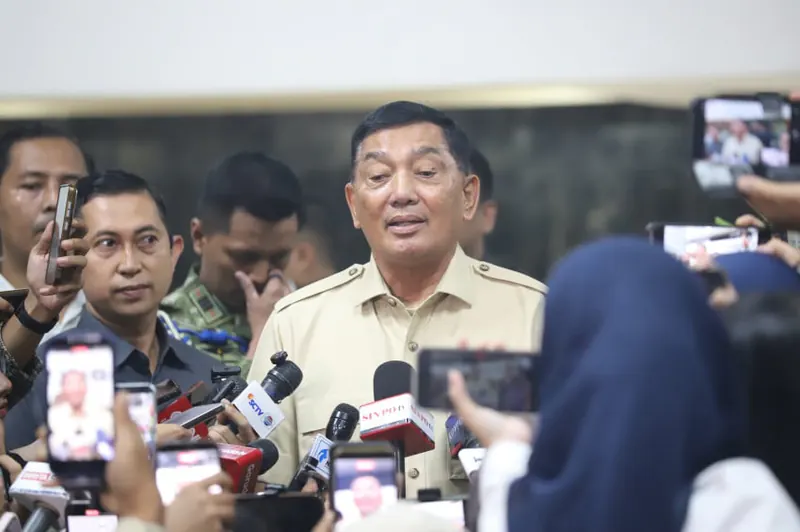
DKPP Chairman Heddy Lugito said at a media session in Jakarta on Thursday, 19 November 2026, that one KPU member, Iffa, was excluded because the member had not yet taken office when the candidacy process took place. The complaints also cover all five Bawaslu commissioners. According to RRI, the hearings follow five public complaints; four advanced to the hearing stage, while one was dismissed because the supporting documents were incomplete.
Role of the DKPP and limits of ethics trials
The DKPP was established under Law No. 7 of 2017 on Elections to supervise and adjudicate ethical violations by election organizers. Election organizers comprise three institutions: the KPU as the technical implementer, the Bawaslu as the supervisor, and the DKPP as the ethics overseer. Each has a different function but together they are meant to safeguard the integrity of the democratic process.
The code of ethics for election organizers sets out principles that every commissioner must uphold, including independence, honesty, fairness and openness. Alleged breaches of those principles are what the DKPP hears. In the context of document verification, election organizers are required to ensure that every candidate requirement is examined carefully and consistently, without discrimination.
Ethics hearings before the DKPP differ from criminal proceedings in court. In the ethical domain, what is judged is the conduct and decisions of election organizers in carrying out their duties, not criminal wrongdoing. The sanctions are administrative, such as a warning or removal from office. A person tried on ethics charges is therefore not automatically deemed to have committed a criminal act, and the reverse is also true.
Verification of candidacy documents is a crucial stage in an election. When a candidate pair registers, the KPU checks the completeness and validity of the required documents, from diplomas and health certificates to other administrative papers. The Bawaslu supervises the verification process. If any party considers the verification procedurally or ethically flawed, the public may file a complaint with the DKPP. The stage is closely watched because candidacy documents are the first gate determining who may run in an election. Negligence at this stage can affect the validity of the entire downstream process.
The personal responsibility principle stressed by Heddy is also important. The DKPP tries individual election organizers, not institutions. A person can be held ethically accountable only for acts committed while in office. Members who were not yet in office when the events occurred cannot be included in a complaint because they had no connection to the process in question.
Election organizer accountability for voters
For Indonesian voters, ethics hearings are one channel for ensuring election organizers work within the rules. When the public considers a verification process not transparent or procedurally flawed, a complaint to the DKPP is one available route. This is separate from election result disputes, which are handled by the Constitutional Court (Mahkamah Konstitusi), and alleged criminal election violations, which are processed by law enforcement.
Public trust in election organizers is a foundation for the legitimacy of election results. If a verification process is found ethically flawed, the impact is not only on the individuals heard but also on public perception of the validity of the entire electoral process. For that reason, a DKPP decision, whatever the outcome, will be read by the public as a marker of whether internal oversight is working or has become a formality.
What matters next is how the DKPP handles the case openly and accountably. The public has a right to know the panel's reasoning in deciding whether election organizers' conduct during the 2024 presidential candidacy process met or breached the code of ethics. The transparency of the process will determine whether public trust in the election institutions can recover or will be further eroded ahead of future elections.
The outcome may also set a precedent for handling similar complaints in future regional elections and local head elections. Consistency in enforcing the code of ethics will shape how election organizers at the local level carry out their day-to-day duties.