Hinca Panjaitan says two vice presidential candidates proposed by Prabowo must not resign
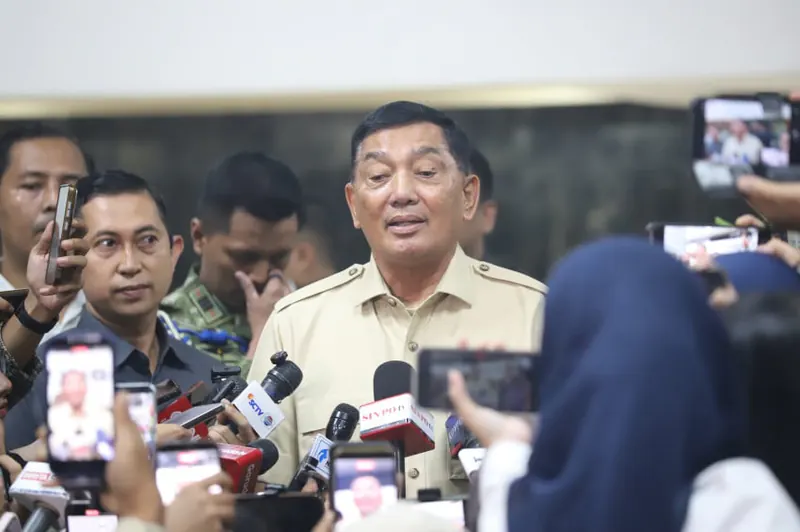
Partai Demokrat honorary council chairman Hinca Panjaitan said the two vice presidential candidates proposed by President Prabowo Subianto to the People's Consultative Assembly (MPR) must not resign.
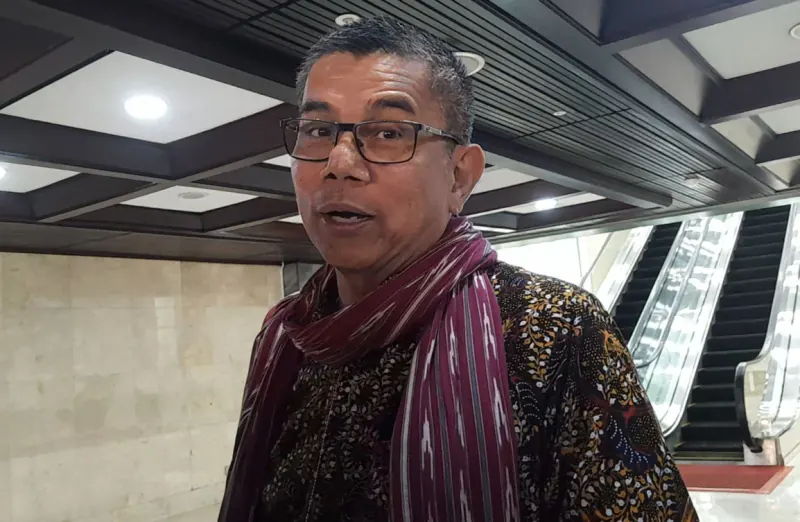
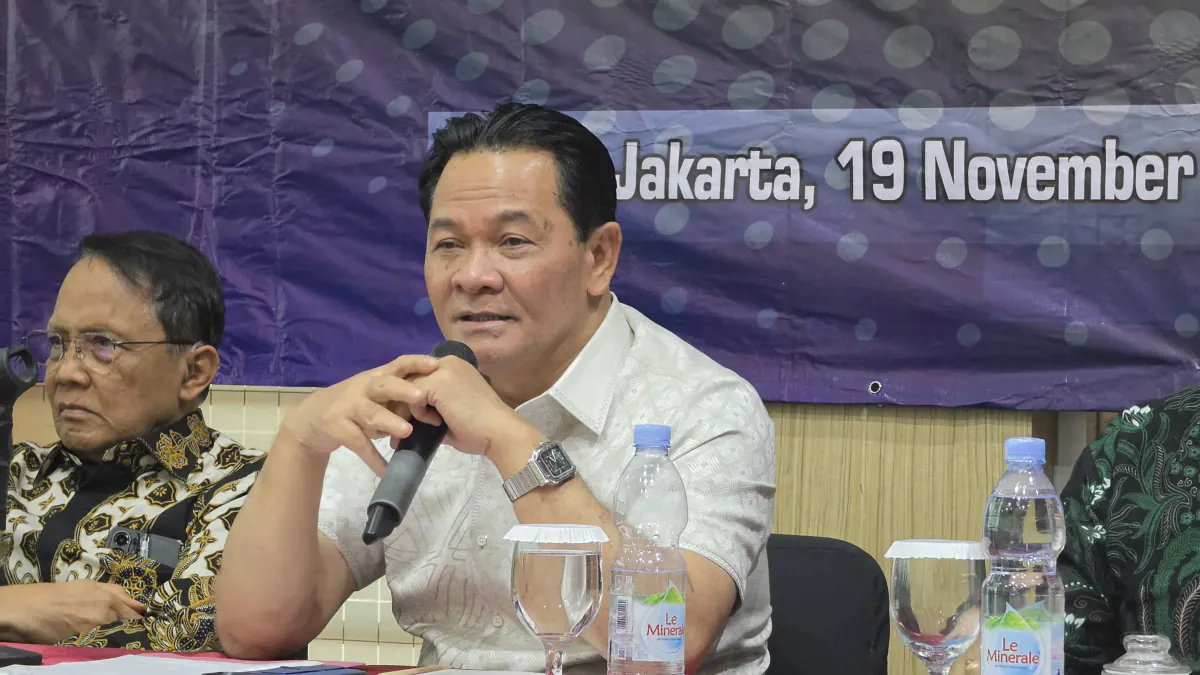
Two vice presidential candidates proposed by President Prabowo Subianto to the People's Consultative Assembly (MPR) should not resign, according to Hinca Panjaitan, chairman of the honorary council of Partai Demokrat (Democratic Party). He made the proposal at the Parliament Complex in Senayan, Jakarta, on Friday, 20 November 2026.
As reported by Radio Republik Indonesia (RRI), Hinca said a candidate's willingness must be stated from the outset, together with a commitment to see the election process through to the end. In his view, if one candidate resigns, the requirement to submit two names would no longer be met.
Hinca, who sits on the MPR verification team for vice presidential candidate requirements, said the two names were chosen by the president and that both had already expressed their willingness.
He said the MPR, as a representative body of the people, would choose one name from the two candidates.
Two-name mechanism in the MPR
Hinca's proposal was not made in a vacuum, because it concerns the institution that elects a vice president when the office becomes vacant. Under Indonesia's 1945 Constitution, the president and vice president are elected by the people as a single ticket in simultaneous general elections. The constitution also provides another route: if the vice president becomes permanently incapacitated or resigns, creating a vacancy, the president submits two candidates to the MPR, and the MPR chooses one of them. That rule makes the two-name requirement more than an administrative formality; it is meant to give the representative institution a choice.
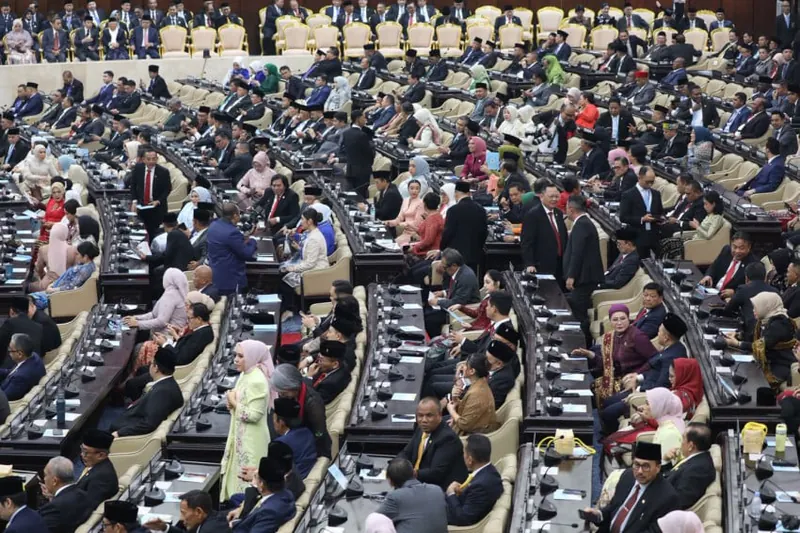
The MPR's role in this process differs from its role during general elections. It does not directly elect the president and vice president as a ticket, but becomes the deciding forum when a vacancy must be filled during a term of office. Hinca's reference to the representation of the people therefore points to the MPR's composition, which combines members of the House of Representatives (DPR) and the Regional Representative Council (DPD). Those two elements represent the people and the regions, giving the body's decisions political legitimacy rather than mere formality.
The verification team mentioned by Hinca is part of the MPR process that checks administrative completeness and candidate requirements before an election. In everyday terms, the team ensures that proposed names meet requirements such as citizenship, age and the condition of not being a convicted criminal. After verification is complete, the election is held through the MPR's internal mechanism. At that stage, a candidate's commitment becomes important: if one candidate resigns after the process has begun, the choice prepared by the constitution could narrow or even collapse.
Politically, the call for candidates not to resign also reflects a habit among elites of recalculating positions when circumstances change. In a presidential system, the vice president is not a ceremonial office. The vice president is in the line of succession, helps shape policy direction and can replace the president if the president becomes permanently incapacitated. For that reason, a name submitted by the president carries long-term consequences for government stability.
What the process means for the public
The issue may seem remote from everyday concerns, but it touches the certainty of governance. The public depends on the president and vice president to maintain policy coordination, especially when economic, security or disaster issues require quick decisions. If the election of a vice president is prolonged because a candidate resigns, the MPR must find a new way to meet the two-name requirement. That could delay policies, such as ministerial appointments, responses to vulnerable regions or the synchronization of national programs.
What the public should watch is compliance with the rules, not political drama. When the president submits two names, the public has the right to know whether the candidates have stated their willingness, whether administrative requirements have been verified and whether the MPR will conduct the election openly. That transparency is important so that the vice presidency is not perceived as the result of elite bargaining. In the short term, readers can follow MPR meetings and official statements from the verification team. In the long term, an orderly process will show whether the constitution is being used to fill a vacancy rather than create a new one.
It is also important to distinguish political rights from moral responsibility. Candidates may have personal choices, but once their names have been submitted and processed, the public has formed expectations. A resignation would affect more than one individual; it would also affect trust that state processes are carried out seriously. Hinca's proposal can therefore be read as an appeal for elites to resist short-term calculations.
Related news
- Prabowo asks for food inflation to be controlled and for farmers to benefit from prices
- Taj Yasin asks for government programs to move the local economy in Jateng (Central Java)
- Bangladesh hopes an International Court of Justice (ICJ) ruling will accelerate the return of the Rohingya