PKS fires elected Aceh Tamiang legislator over 70kg meth case
Partai Keadilan Sejahtera (PKS, the Prosperous Justice Party) has dismissed an elected member of the Aceh Tamiang regency council, identified only as S, after his arrest by police in a 70-kilogram crystal methamphetamine case.

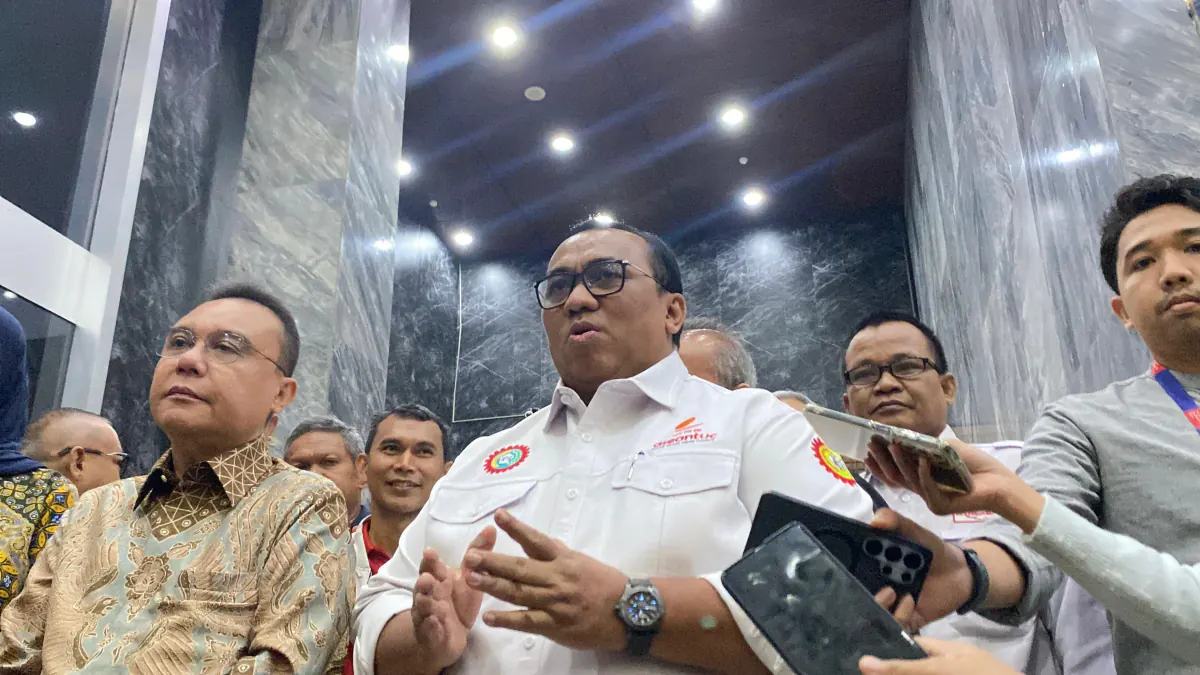
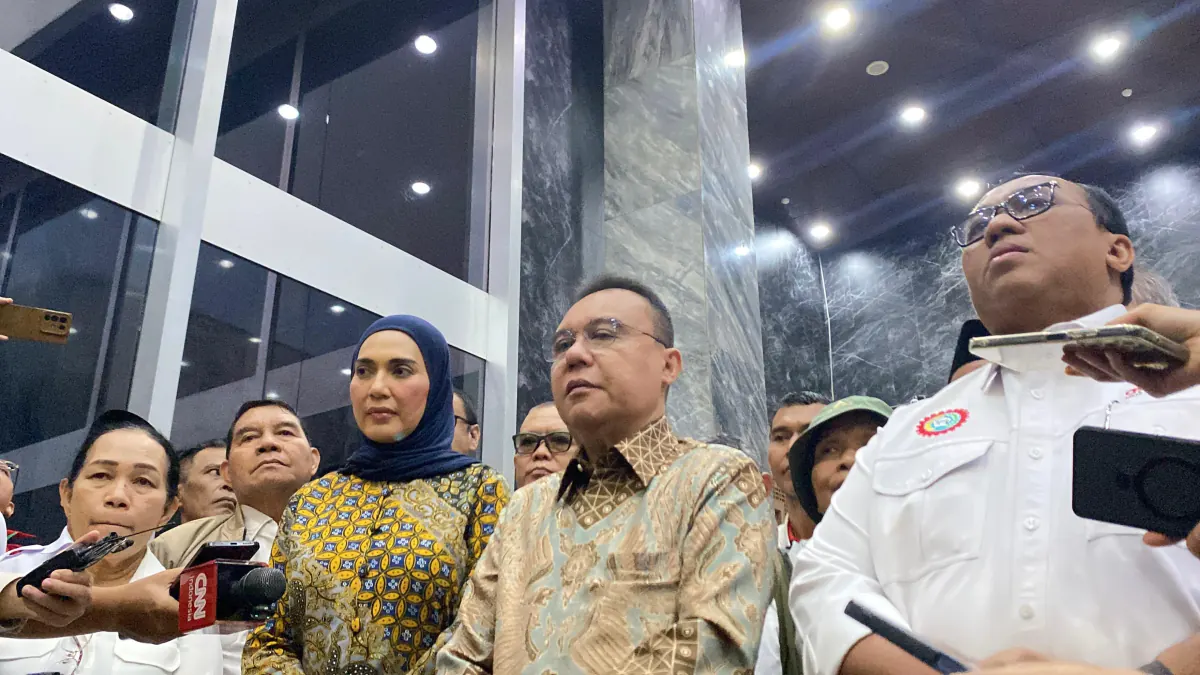
Partai Keadilan Sejahtera (PKS, the Prosperous Justice Party) has confirmed that it has fired an elected member of Dewan Perwakilan Rakyat Kabupaten (DPRK) Aceh Tamiang, the regency council, identified only as S, who has been named a suspect in a 70-kilogram crystal methamphetamine case, as reported by Republika. M. Nasir Djamil, a PKS member of Commission III of the People's Representative Council (DPR), the national parliament, announced the dismissal at the parliamentary complex in Senayan, Jakarta, on Tuesday, 28 May 2024.
Nasir said S's seat would be filled by the legislative candidate for the Aceh Tamiang regency council who received the second-highest number of votes, in accordance with the rules. He said he did not know S's role in the syndicate and asked the public to await the legal process handled by the Criminal Investigation Agency (Bareskrim) of the Indonesian National Police. PKS also apologised to the people of Aceh for the involvement of the elected candidate.
S was arrested on Saturday, 25 May 2024, on suspicion of possessing, financing and controlling crystal methamphetamine originating from Malaysia. He was brought to Bareskrim on Monday, 27 May 2024, and charged under money-laundering provisions. Investigators are tracing fund flows, including the possibility that campaign funds from the 2024 general election were involved.
Legislative candidate screening and drug network risks
The case places political parties in a dilemma that often arises in electoral politics: an elected candidate is the face of the vote result, but their background cannot always be fully monitored by party officials. In many nomination systems, parties screen prospective candidates based on track record, organisational discipline and electoral potential. However, when a person is elected by voters, the formal relationship between the candidate and the party can become more complicated, especially if they are not a long-time cadre or only appeared close to registration.
Drug law enforcement also has a different character from ordinary cases. Bareskrim typically handles networks that cross regions and countries, while a 70-kilogram crystal meth case indicates a substantial scale. In Aceh's context, its geographic position at Indonesia's western tip and proximity to sea routes make the region a frequent entry point, transit route or destination for illicit distribution. The involvement of an elected candidate in such a network can therefore raise questions about the source of wealth, social relations and the possibility of using office to shield illegal activity.
Rules on replacing elected candidates who are permanently unable to serve, resign or are disqualified are intended to protect voters' rights so that a seat won is not left vacant. In principle, the next candidate with the most votes in the same electoral district can replace them. But that mechanism does not erase the political consequences for the party. The public tends to judge that a failure in internal candidate screening is as serious as the alleged violation committed by the elected individual.
Money-laundering tracing is important because drugs often generate large amounts of cash that need to be disguised through legal transactions. If a case touches campaign funds, the questions are not only who was involved, but also whether money from illegal activity was used to buy votes, finance logistics or build political networks. Under the law, a suspect must still be presumed innocent until a final and binding court decision.
Impact on public trust
For voters in Aceh Tamiang, the case touches the most fundamental issue in local democracy: whether the representative they chose advances regional interests or instead becomes a gateway for illegal practices. When an elected candidate is named a drug suspect, public trust in representative institutions can decline. The effect is not only on PKS but also on the regency council as an institution. Voters who feel their vote has been harmed will find it harder to believe that the nomination process was run seriously.
For political parties nationally, the episode is a reminder that candidate verification cannot stop at administrative checks and popularity. Party officials need to examine financial track records, social networks and potential conflicts of interest, especially in areas vulnerable to illicit distribution. If parties do not have adequate tracing mechanisms, they risk losing seats, reputation and influence in regional parliaments. Cases like this can also lead the public to view legislative candidates as electoral commodities bought rather than candidates tested.
What needs to be watched going forward is whether the investigation reveals links to money politics or involves only personal illegal activity. If campaign funds are touched, the consequences could extend to election oversight and party financing. Conversely, even if not proven, there remains an important lesson that legislative office demands accountability for integrity. In any case, the presumption of innocence must be upheld while awaiting a transparent legal process.