PKB, Nasdem and PAN Leave Gibran's Vice-Presidential Replacement to Prabowo
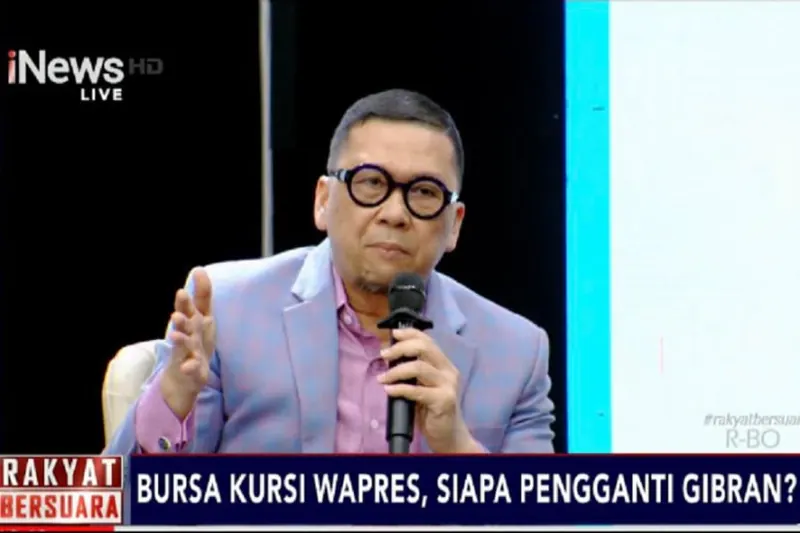
Three coalition parties declined to nominate vice-presidential candidates to replace Gibran Rakabuming Raka, leaving the process to President Prabowo Subianto and the People's Consultative Assembly.
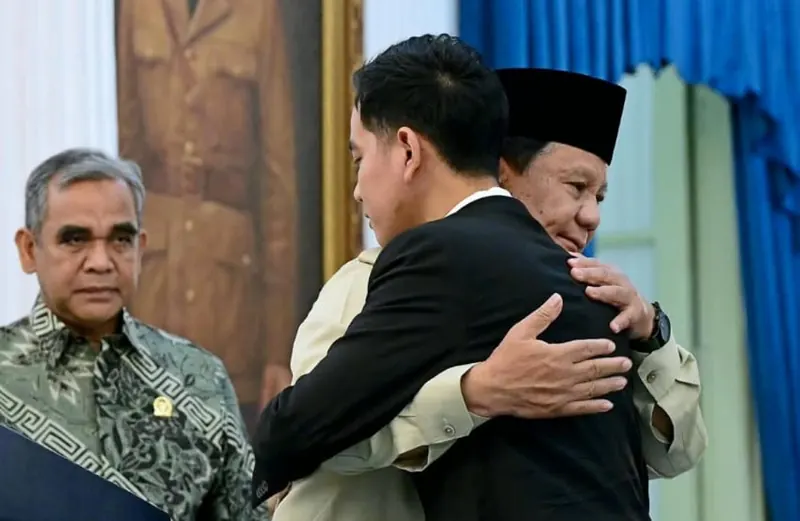
The National Awakening Party (PKB), Partai Nasdem and the National Mandate Party (PAN) have chosen not to propose names for a vice-presidential candidate to replace Gibran Rakabuming Raka, handing the process entirely to President Prabowo Subianto to submit two candidates to the People's Consultative Assembly (MPR).
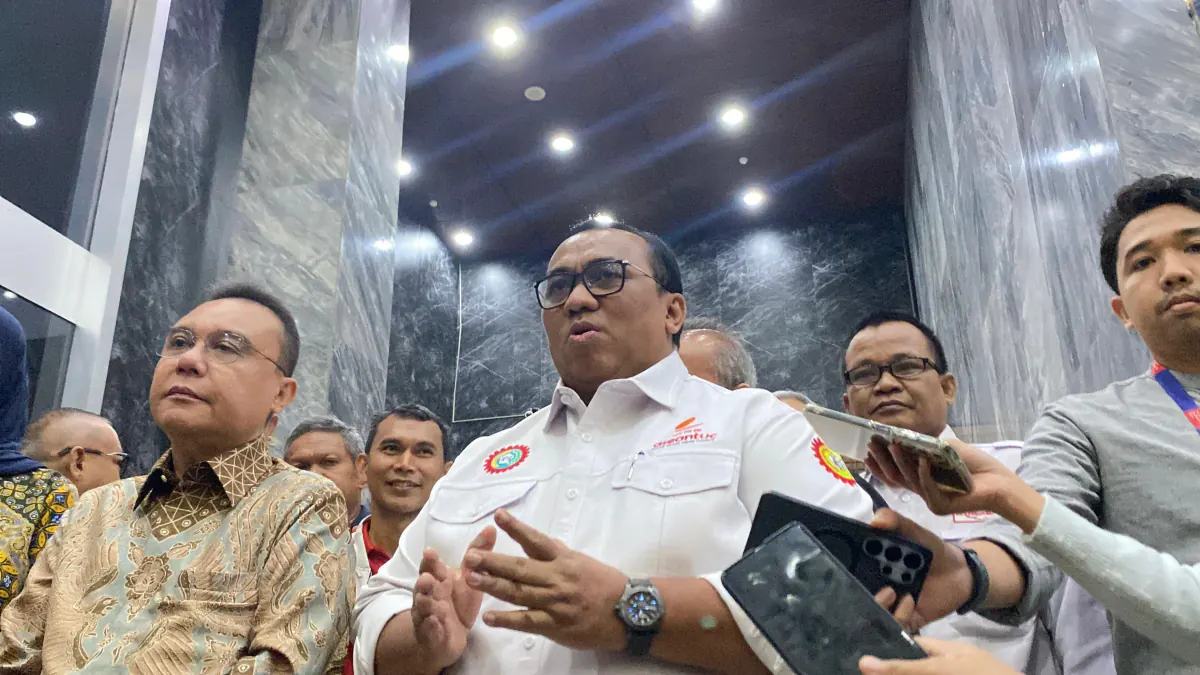
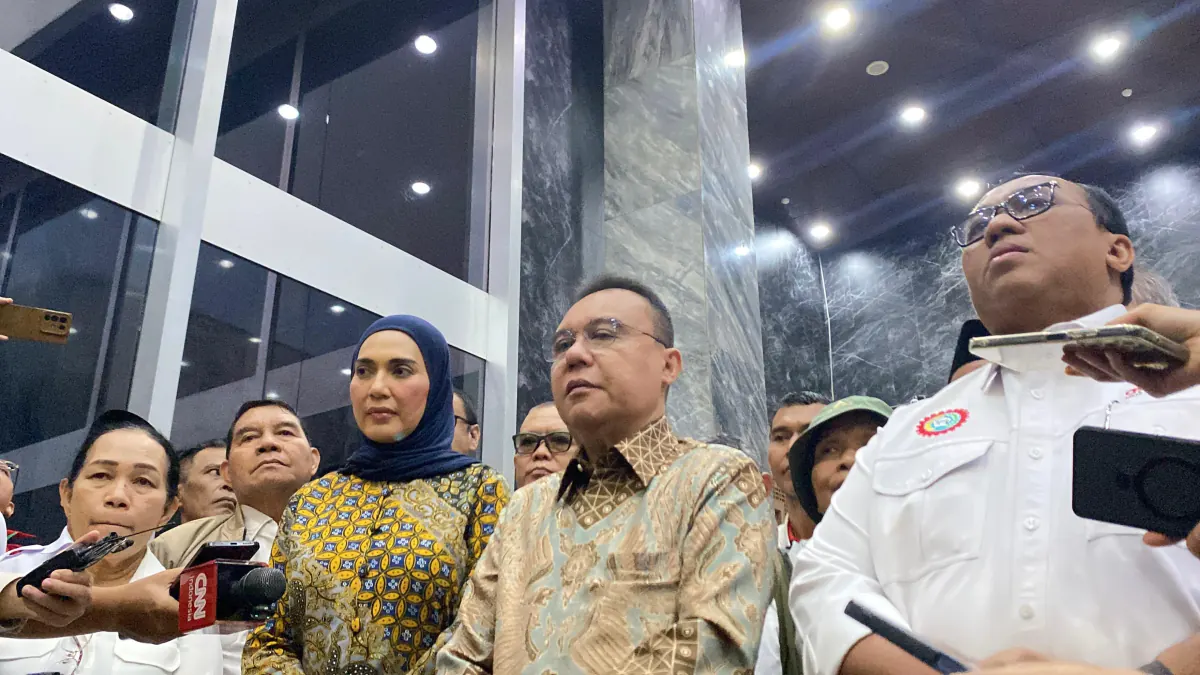
According to a report by SINDOnews, Neng Eem Marhamah Zulfa Hiz, chair of PKB's faction in the MPR, said her party had no proposed name to fill the position. “As for the vice-presidential candidate, we leave it entirely to Mr. President,” she said after a joint MPR meeting at the Nusantara V building in the Senayan parliamentary complex, Jakarta, on Friday, 13 November 2026. She explained that the MPR, as an institution, had sent a letter to the president asking him to propose two vice-presidential candidates for selection in a plenary session. PKB said it would wait for the constitutional process that falls under the MPR's authority after the president submits two names.
Constitutional rules for filling a vice-presidential vacancy
Indonesia's constitution sets out a detailed mechanism for filling a vice-presidential vacancy in Article 8 of the 1945 Constitution. The article provides that if the vice-presidential post becomes vacant, the president must propose two candidates to the MPR for selection. The MPR then chooses one of the two names in a plenary session. The rule is designed to ensure an orderly leadership transition and to prevent a prolonged power vacuum.
In Indonesia's constitutional practice, the mechanism has been tested in previous cases. When the vice-presidential post has become vacant because of resignation, dismissal or other constitutional reasons, the MPR has acted as the institution that processes the filling of the post. The role of political parties in the process is limited to proposing names, while the final decision rests with the president, who submits the candidates, and the MPR, which elects them. The MPR plenary session is the highest forum of the legislative body, and its decisions are final and binding in the context of electing a vice president.
The joint MPR meeting discussing the agenda for filling the vice-presidential vacancy is a routine procedural step to ensure the institution is ready to process the appointment. Discussion of the plenary session schedule is important because the timing of the session determines how quickly the government can once again be complete with a president and vice president. In the meeting, factions discussed the order of the agenda, quorum and the voting procedure to be used in the plenary session.
The participation of party factions in the MPR joint meeting showed that the process involved all political forces represented in the body. The decision by PKB, Nasdem and PAN not to propose names could be read as a sign of trust in President Prabowo and as a political strategy to avoid burdening the process with proposals that could create friction inside the large governing coalition.
Impact of uncertainty over the vice-presidential candidate on government stability
A vice-presidential vacancy lasting for a period can directly affect the rhythm of government. The vice president has a constitutional role as the president's assistant, including in coordinating policy across ministries and representing the state in certain forums. While the position remains unfilled, some duties and authority will be taken over by the president or delegated to coordinating ministers. This could slow decision-making on issues that require the vice president's presence, such as disaster response, social coordination and relations with other state institutions.
For the public, the process to fill the vice-presidential post is a marker of the government's policy direction going forward. The names President Prabowo chooses to fill the position will affect coalition dynamics, program priorities and the political signals received by markets and society. The decision also relates to balancing regions and groups in the government's composition, given that vice presidents are often chosen to complement geographic representation or particular interest groups.
The public needs to watch whether the president's submission of two names proceeds within the deadline agreed by the MPR. Any delay in filling the post could raise public questions about the government's readiness to face legislative agendas and policy execution that require a complete leadership pair.
Related coverage
Related articles: “PAN faction urges government to improve public outreach and fairness in the National Housing Savings Program (Tapera)”; “MPR schedules election of vice-presidential replacement for Gibran on 2 December 2026”; “Coordinating Minister for Political Affairs, Security and Defence Dudung hands controversy over Gibran's diploma to the House of Representatives (DPR).”