PAN backs Gerindra’s vice presidential proposal, leaves final choice to Prabowo
PAN chair Zulkifli Hasan says the party backs a vice presidential candidate proposed by Gerindra and leaves the final decision to President Prabowo.

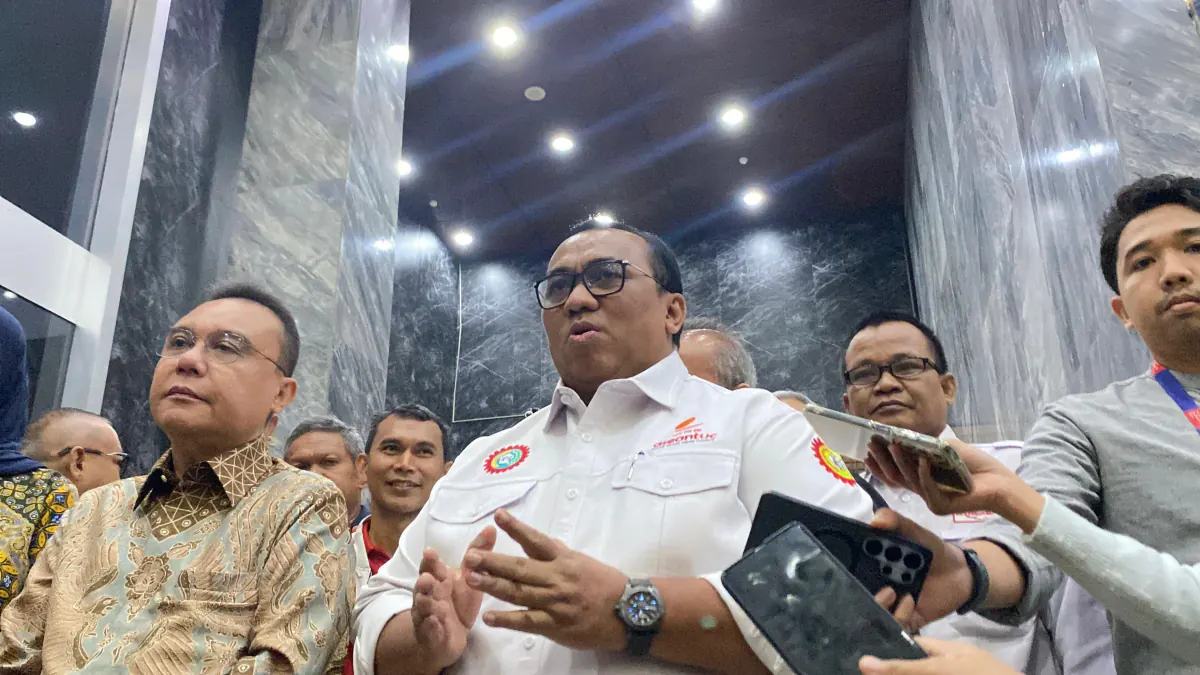
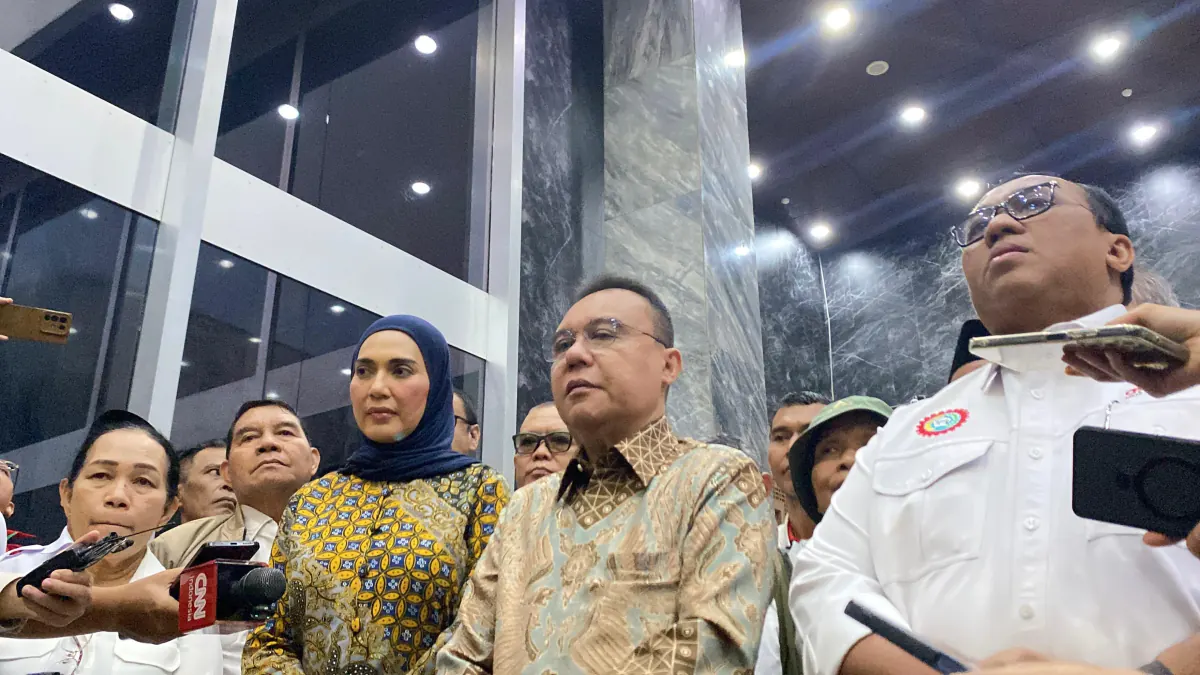
President Prabowo Subianto has asked political party chairmen to propose names for a vice presidential candidate to replace Gibran Rakabuming Raka, according to a report by Radio Republik Indonesia (RRI), the state radio network. Zulkifli Hasan, chair of the National Mandate Party (PAN) and commonly known as Zulhas, said PAN backed the candidate proposed by the Great Indonesia Movement Party (Gerindra) and left the final decision to Prabowo.
He made the remarks after meeting Prabowo at Bogor Palace in West Java on Friday, 13 November 2026. The meeting was attended by party leaders involved in the coalition politics of the 2024 presidential election, including Gerindra, Golkar, PAN, the Democratic Party (Demokrat), the National Awakening Party (PKB), the Prosperous Justice Party (PKS) and the National Democratic Party (NasDem).
Prabowo gave each party one week to vet names it considered suitable. The names will be submitted and discussed together at a meeting next week.
Zulkifli said PAN was not putting forward its own cadre. “As for PAN, the decision is entirely left to the President,” he said.
Also present were Sufmi Dasco Ahmad, Bahlil Lahadalia, AHY, Muhaimin Iskandar, Al Muzzamil Yusuf and Viktor Laiskodat.
The rules behind a vice presidential proposal
In Indonesia’s system of government, the vice presidency is not elected separately from the presidency. Voters choose a president and vice president as one pair for a five-year term. A mid-term replacement therefore is not simply an internal palace appointment; it touches the constitution, political parties and representative institutions.
When the vice presidential seat becomes vacant, the 1945 Constitution provides that the People’s Consultative Assembly (MPR) elects a new vice president from two candidates proposed by the president. That makes names floated by parties important, because the president usually weighs coalition strength, political experience and a candidate’s capacity. The president also has the right to make the final choice.
Prabowo’s request for party chairmen to submit names is a way to gather political input before the formal process begins. Each party will vet figures it considers suitable, then the names will be discussed together. PAN’s decision not to propose its own cadre, but to back a Gerindra candidate, suggests the party is choosing to protect its position in the coalition without triggering a competition over names. In effect, PAN is not submitting a name, while Gerindra has become the reference for the proposal.
The party list at the meeting showed a varied political mix. Gerindra, Golkar, PAN, Demokrat and PKB were part of the camp that backed a particular pair in the 2024 presidential election, while PKS and NasDem followed a different path in that contest. Their presence in one forum showed that talk about the vice presidency is not only about vote counts in the MPR, but also about maintaining political balance within the government.
A vice presidential candidate in this context differs from a candidate in an election. The name does not come from the ballot box but from political proposals that are then processed through a constitutional mechanism. So “to propose” does not necessarily mean a name will be chosen; it can be used as a consideration, a bargaining chip or a signal of a party’s position. In other words, party proposals are an entry point, but the decision remains on a constitutional path involving the president and the MPR.
What the public should watch
For Indonesian readers, a change in the vice presidential seat does not always directly affect staple prices or daily routines. But the office shapes how government works. The vice president can coordinate programs across ministries, carry out specific assignments from the president and replace the president if the president is permanently unable to serve. The public therefore has a right to follow the process.
The names chosen by coalition parties and the president can also affect policy priorities. If a new vice president is given a mandate in social affairs, education, food or infrastructure, the public will feel the effects through programs, budgets and regional services. Conversely, if the appointment is read more as a political compromise, its impact may be felt more in government stability than in concrete policy.
What to watch next is whether the parties’ proposed names actually enter the constitutional process, whether the president submits two candidates agreed by the coalition, and whether next week’s forum produces a meeting point. For the public, the story matters not because of who will sit in the number-two seat, but because the process will determine how strongly the government can carry out its programs during the remaining term.