Nasdem Undecided Between Edy and Bobby for 2024 Sumatra Utara Gubernatorial Race
Partai Nasdem is still weighing Edy Rahmayadi and Bobby Nasution for the 2024 Sumatra Utara gubernatorial election, with the decision awaiting a plenary meeting of the party's central board (DPP).
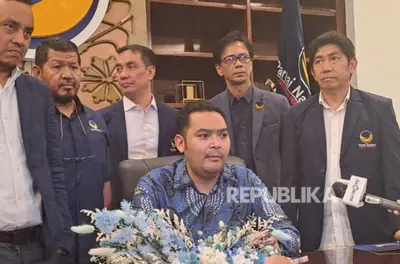
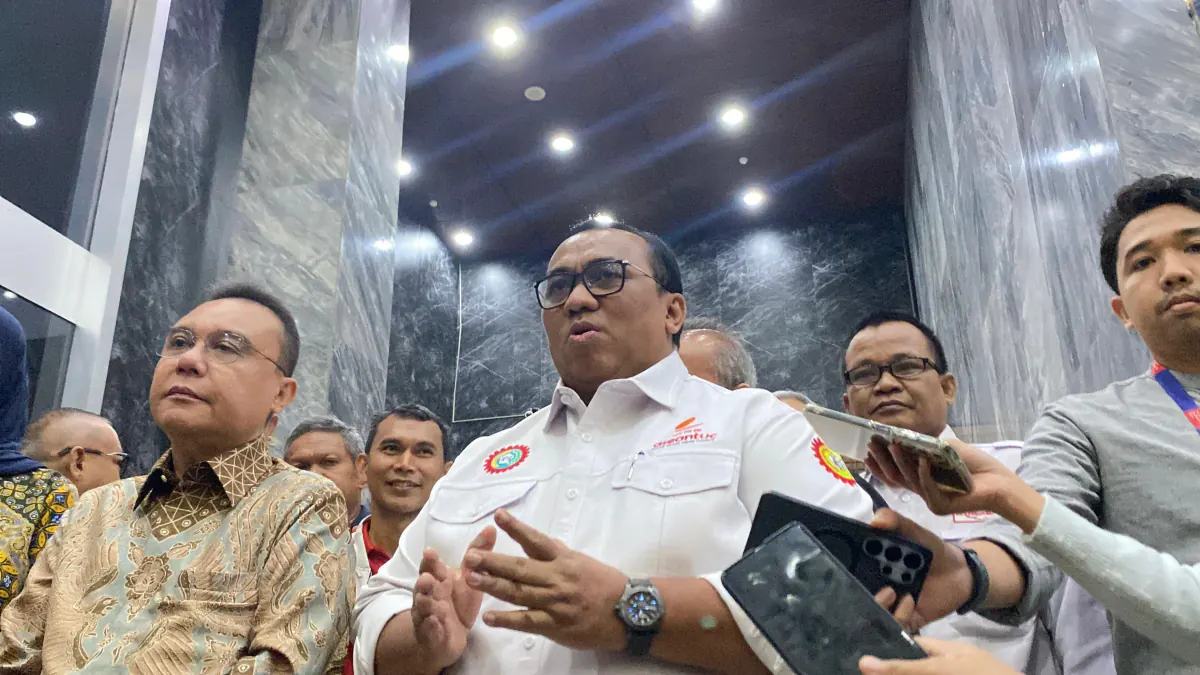
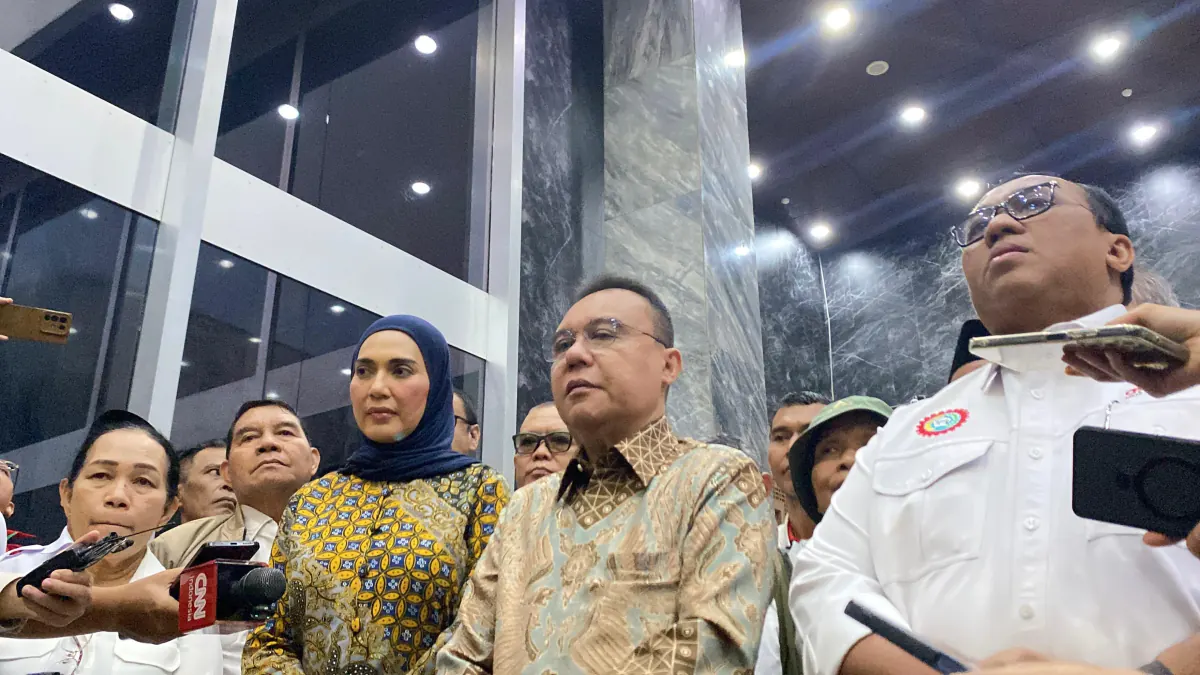
Partai Nasdem has yet to decide between two strong candidates for the 2024 gubernatorial election in Sumatra Utara (North Sumatra): Edy Rahmayadi, who served as governor from 2018 to 2023, and Medan Mayor Bobby Nasution. According to a report by Republika, Prananda Surya Paloh, head of the Badan Pemenangan Pemilu (election campaign body) of Partai Nasdem's DPP (central board), said the decision had not been finalised.
The party said it was weighing which figure had the best chance of winning. Prananda told Republika, “Masih fifty-fifty antara Edy atau Bobby” (“It is still fifty-fifty between Edy and Bobby”). He said Sumatra Utara had particular dynamics.
Edy served as Sumatra Utara governor from 2018 to 2023, while Bobby is currently Medan mayor and son-in-law of President Joko Widodo. The final decision awaits a plenary meeting of the DPP, scheduled for Thursday, 30 May 2024.
On the same day, Partai Nasdem issued recommendations to six internal cadres for the 2024 simultaneous regional elections (Pilkada Serentak), from Banda Aceh to Papua Barat (West Papua). Prananda said most of them were incumbent regional leaders with high electability.
Party calculations in Pilkada Serentak
Pilkada Serentak places parties in a difficult position. Beyond choosing candidates known to the public, parties must prepare campaign machinery, secure coalitions and maintain regional cohesion. A candidate's political capital is measured not only by popularity, but also by the ability to mobilise networks at regency/city, subdistrict and village levels. In provinces with large territories, logistics and communication become as important as the candidate's name. Parties also need to keep campaign messages consistent.
Party decisions are also linked to national strategy. As election participants, parties need to show that recommendations are not based only on elite closeness, but also on surveys, cadre readiness and chances of winning. When parties issue recommendations to candidates in various regions, the public can read their priorities: whether to strengthen internal cadres, accommodate popular figures, or maintain relationships with other parties. Without smooth communication, recommendations can create internal friction and dampen the enthusiasm of cadres in the regions.
Regions with diverse electorates usually require different approaches. Issues that often arise in Pilkada in large provinces include the economy, infrastructure, education, health and governance. Parties therefore cannot rely on big names alone. Candidates must be able to reach vast areas, from cities to remote regions, and have teams ready to work from the nomination period to polling day.
Incumbent candidates usually benefit from popularity and access to bureaucratic networks, but the position also carries risk because voters can directly assess their performance in office. For non-incumbent candidates, the challenge is building recognition across a wide territory. Pilkada is not only about winning, but also about cadre development and ensuring elected regional heads can work with party structures and regional legislative councils (DPRD).
What voters should watch
For readers in Indonesia, regional elections often seem far from daily life. Yet elected governors and regional heads determine the direction of budgets, public services, licensing, infrastructure, and education and health programmes in their regions. In Sumatra Utara, the choice of gubernatorial candidates can affect ease of doing business, road quality, market access for farmers, and basic services in cities and regencies. Regional leaders' policies can also influence local prices of basic necessities, especially if distribution infrastructure and traditional markets are managed well.
The public therefore needs to assess whether candidates have clear work plans, verifiable track records and the ability to build coordination with the central government and the DPRD. A big name alone is not enough. Voters also need to be wary of money politics, unrealistic promises and campaigns that rely only on popularity without programmes. Voters can use the campaign period to compare promises with existing evidence.
For other regions, this case is a reminder that party recommendations can change until the last meeting. The public should follow an open nomination process, including visions and missions, coalitions and published survey results, so that choices are not based only on elite proximity. This transparency is important so that Pilkada produces leaders who are truly ready to work. Local media and survey institutions can serve as references for separating verified information from rumours. In addition, an orderly Pilkada process helps maintain local government stability and the continuity of public services, which is important so that regional budgets are not disrupted.