KPK Steps Up Oversight of South Sulawesi Budget, Flags DPRD Aspirations and Procurement
The Corruption Eradication Commission (KPK), the Ministry of Home Affairs (Kemendagri), the Public Procurement Policy Agency (LKPP) and the Financial and Development Supervisory Agency (BPKP) are tightening scrutiny of South Sulawesi's regional annual budget (APBD), focusing on DPRD Pokir, procurement, grants and appointments.
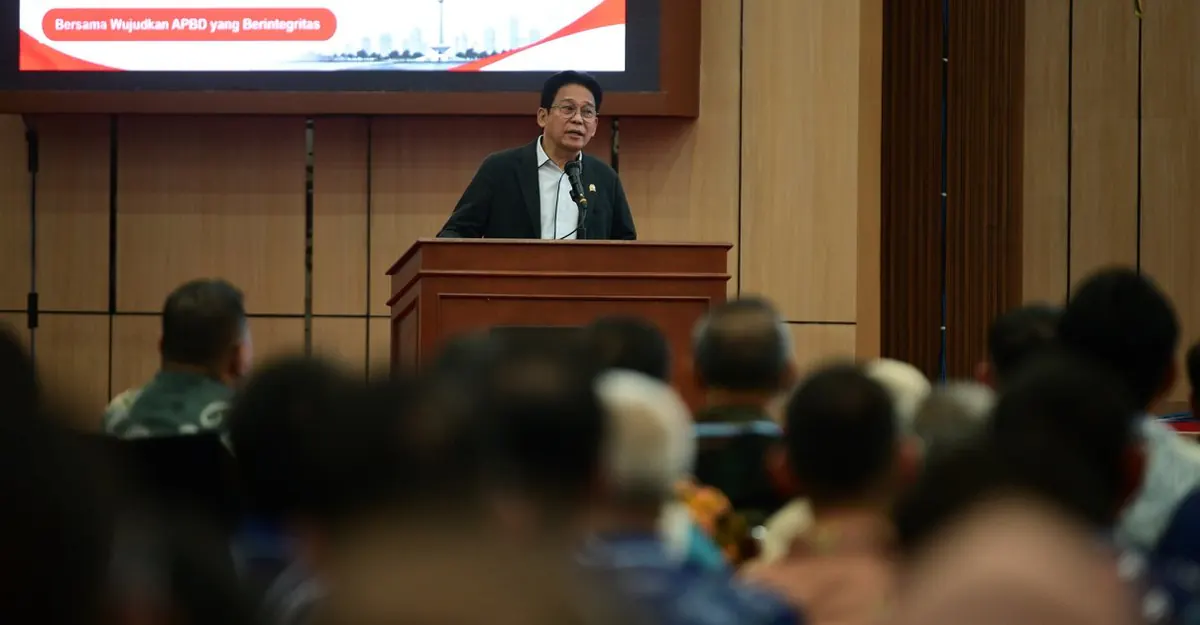
The Corruption Eradication Commission (KPK), the Ministry of Home Affairs (Kemendagri), the Public Procurement Policy Agency (LKPP) and the Financial and Development Supervisory Agency (BPKP) have stepped up oversight of the regional annual budget (APBD) in South Sulawesi, focusing on the Regional Legislative Council (DPRD)'s pokok pikiran, or priority aspirations (Pokir), goods and services procurement (PBJ), grants and appointments during a coordination and supervision drive from 1–6 November 2026.
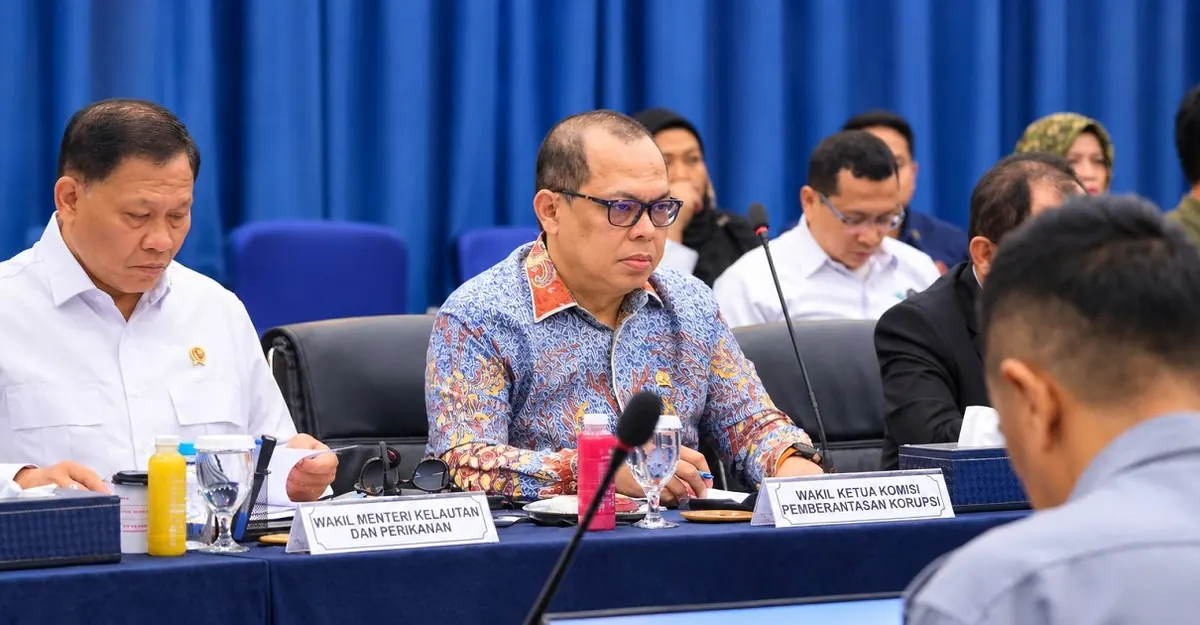
According to a KPK report, Vice Chairman Johanis Tanak said at a coordination meeting at the South Sulawesi Governor's Office in Makassar on Thursday, 5 November 2026, that the APBD must be prepared in line with the rules and that the division of authority between the executive and the legislature must be maintained. He warned that the DPRD's oversight function should not turn into interference in program implementation, especially if council members treat Pokir as their own projects and help choose contractors for profit.
Tanak also reminded regional heads that appointments to regional apparatus organisations (OPD) should be based on competence, not gratification or bribery. He said the trade in posts can trigger irregularities in APBD projects because officials who spend money to obtain positions may seek to recoup their investment from work already budgeted.
The KPK recorded that from January to 15 October 2026 it carried out 23 red-handed operations involving 13 regional heads as well as a number of officials and private parties, with methods including bribery over projects, extortion and the trade in posts. One case mentioned was alleged extortion in village official appointments in Pati Regency.
The meeting also involved Cheka Virgowansyah, Director General of Regional Autonomy at Kemendagri. In Makassar, the KPK team and the inspectorate sampled planning, budgeting and procurement. Edy Suryanto, Director of Supervision and Prevention for Region IV, identified four areas needing clarification: PBJ, grants, DPRD Pokir and spending by the DPRD secretariat. Makassar Mayor Munafri Arifuddin said he was ready to follow up through internal audits.
APBD, Pokir and Corruption Hotspots in Regional Budgets
The APBD is the local government's annual financial plan, approved by the regional head and the DPRD. Once the budget is set, execution lies with the local government, while the DPRD carries out legislative, budgeting and oversight functions. This separation matters because the DPRD does not execute projects directly. Pokir grows out of the function of absorbing public aspirations, but when proposals turn into claims of project ownership, the boundary of authority becomes blurred. That can open a door for council members to pressure the executive in selecting contractors, so procurement no longer runs on needs and procedure.
Goods and services procurement is a classic vulnerable point because it involves large contract values, technical stages and many parties. Deviations can appear from the planning stage, for example specifications steered toward certain brands or providers, through rushed implementation near the end of the fiscal year. Grants, social assistance and financial aid are also sensitive because their distribution touches many recipients. If verification is weak, aid can go to fictitious recipients, be used for the wrong purpose or become a political transaction. Spending by the DPRD secretariat is vulnerable because it covers operational costs, travel and activities that are hard for the public to monitor if documents are incomplete.
In governance, internal government oversight bodies such as the inspectorate (APIP) act as early detectors of anomalies. BPKP provides external oversight in finance and development, LKPP sets procurement policy, while Kemendagri guides and supervises local government. The KPK's coordination and supervision usually does not stop at findings; it pushes local governments to improve systems, strengthen audits and follow up on notes before they become legal cases. Strengthening APIP is therefore often seen as important to prevent repeated findings, especially in regions with limited oversight capacity and high political pressure over budgets.
Impact on Public Services in the Regions
For residents, APBD oversight is not merely administrative. Regional budgets determine the quality of roads, schools, community health centres, clean water, transport and social assistance used directly by communities. If Pokir, procurement, grants or DPRD secretariat spending are infiltrated by private interests, public money risks remaining as figures on paper rather than becoming decent services. The impact is felt most by groups that depend on government services, such as patients, students, farmers and small businesses.
The trade in posts also lowers bureaucratic quality because OPD head or technical official positions are filled based on money, not competence. Licensing services, complaint handling and project oversight can become slower, less professional or easier to misuse. For readers in Indonesia, the signals to watch are whether local governments open budget information, follow up on audit findings and strengthen the inspectorate's role. Without transparency and concrete improvements, oversight coordination can become only an annual agenda rather than a break in the chain of corruption that harms residents.
In South Sulawesi, the results of this coordination will be visible from whether notes for Makassar, Wajo and the province are followed up with document improvements, layered audits and openness to the public.
Related coverage: KPK strengthens global cooperation to push recovery of corruption assets; Hulu Sungai Selatan becomes a model for Ber-Aksi 2026; KPK appoints seven strategic anti-corruption officials.