KPK Pushes Kota Sorong Governance Overhaul After Low MCSP and SPI Scores
The Corruption Eradication Commission (KPK) has urged Kota Sorong in Papua Barat Daya to improve governance after its 2025 MCSP score fell below 20 and its SPI integrity index was classified as vulnerable to corruption.
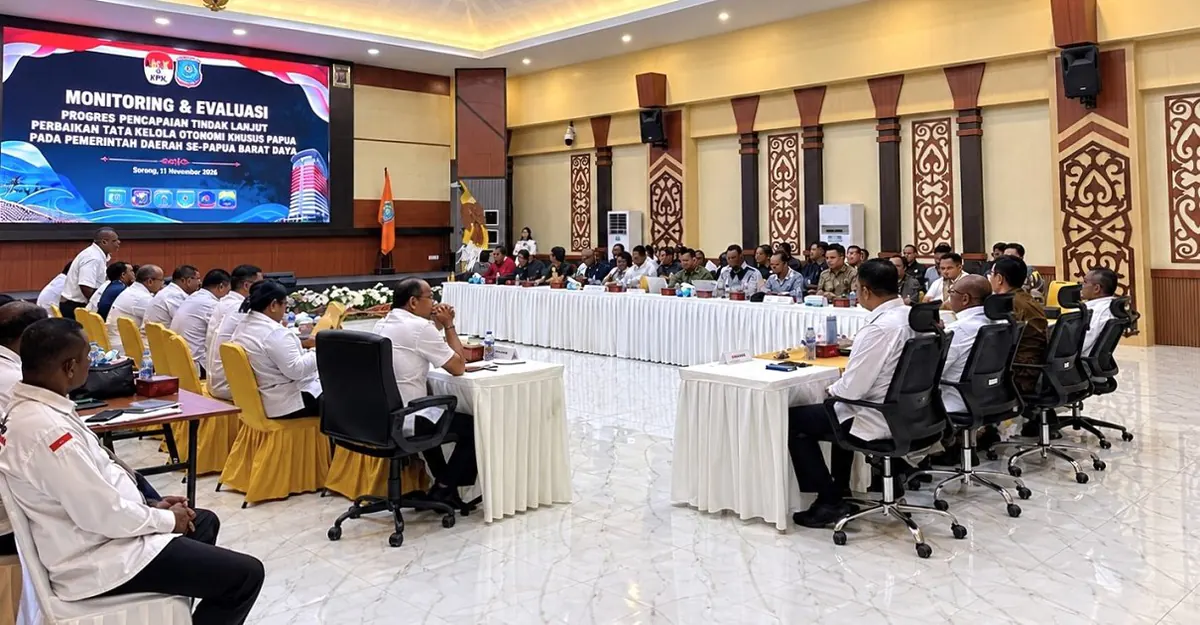
The Corruption Eradication Commission (KPK) has called for governance reforms in Kota Sorong, Papua Barat Daya, after the city's 2025 Monitoring, Controlling, Surveillance for Prevention (MCSP) score remained below 20 on a 0-100 scale. The request was discussed at a coordination meeting at the Aula Kantor Gubernur Papua Barat Daya, the governor's office hall in Papua Barat Daya, on 11 November 2025.
According to the KPK, the meeting also reviewed the 2025 Survei Penilaian Integritas (SPI), or Integrity Assessment Survey. Kota Sorong's integrity index was reported below 73, a level the KPK classifies as vulnerable to corruption. Of the seven MCSP intervention areas, priority reforms were directed to development planning, budgeting and the procurement of goods and services.
Maruli Tua, director of coordination and supervision for Region V at the KPK, said the assessment results should serve as the basis for governance improvements. He said every stage of planning and grant management must comply with regulations, including provisions of the Ministry of Home Affairs (Kementerian Dalam Negeri) and local governments.
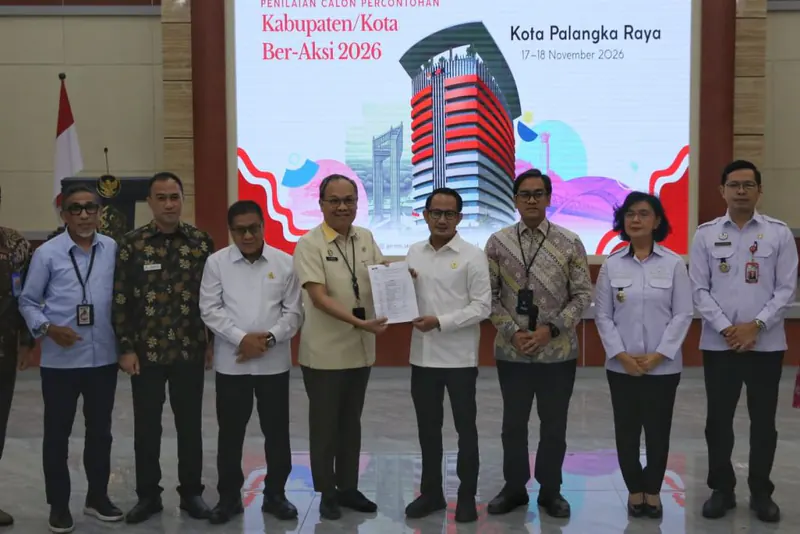
The meeting's outcomes were recorded in minutes to be monitored jointly by the KPK, the Badan Pengawasan Keuangan dan Pembangunan (BPKP), Indonesia's financial and development supervisory agency, and Kementerian Dalam Negeri. Mayor of Kota Sorong Septinus Lobat said the reforms would run until December 2026 and would be reported to the KPK.
How MCSP and SPI serve as corruption prevention tools
MCSP is a prevention instrument used by the KPK to assess the quality of local government governance. The 0-100 scale shows the gap between current conditions and expected standards. A low score does not automatically mean a criminal act has occurred, but it signals weaknesses that need to be closed before they become corruption risks. In local governments, such assessments usually focus on processes that repeat each fiscal year. Local governments that follow procedures are generally better able to explain how they use the regional budget, or APBD, to the public and auditors. The assessment standards also help compare progress across regions.
The SPI measures integrity perceptions from within the bureaucracy, from the public and from other stakeholders. An index classified as vulnerable to corruption means the oversight system, work culture and public access to information are judged insufficiently strong. SPI and MCSP results are often read together because one assesses procedures while the other assesses integrity. Both serve as early warnings for regional heads and regional legislatures, or DPRD. This allows prevention to begin before local losses occur.
The three priority areas — planning, budgeting and procurement — are crucial points in regional finance. Planning sets the direction of programs, budgeting determines their size and funding sources, while procurement is the point where budget money is spent. A mismatch at one stage can lead to projects that miss their target or spending that is difficult to account for. Reforms usually begin with planning documents, grant mechanisms and supplier selection. Weak internal oversight can allow small errors to accumulate into major audit findings.
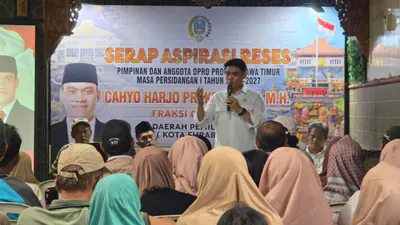
The DPRD also plays an important role in the regional budget cycle. Members' policy inputs, known as pokir, are a channel for aspirations gathered during constituency recesses and then discussed with local government agencies. That process must be supervised so it does not turn into a vehicle for inserted projects. At the same time, monitoring by the KPK, BPKP and Kementerian Dalam Negeri provides oversight to ensure reforms do not stop at paperwork. Public information transparency helps residents judge whether programs are actually meeting needs. Media scrutiny can also increase public pressure on promises of improvement.
What it means for Sorong residents and other regions
For residents of Kota Sorong, governance reform is not a distant technical issue. More orderly planning and budgeting determines whether roads, clean water, health services or social assistance actually match local needs. When procurement is improved, the chances of more reasonable prices for goods and services also rise, although the effect may not be visible within a single fiscal year. Greater information openness also reduces space for transactional dealings at the local level.
For readers outside Kota Sorong, the case illustrates how regional oversight works. Reforms of this kind show that corruption risks can be prevented through open procedures, not only through law enforcement. The public can monitor budget documents, recess reports and procurement information through official local government channels. If reforms through December 2026 are implemented, the results could serve as an example for other regions with low integrity scores. Other regions can learn from the same vulnerable points.
What matters going forward is consistency, not promises recorded in meeting minutes. Residents and the media need to ensure progress reports are open, grant mechanisms do not deviate from rules, and DPRD pokir are processed according to the proper stages. Without openness, administrative reforms risk becoming only a way to complete documents ahead of the next evaluation. The next evaluation will test whether commitments are truly carried out.