Kejaksaan Agung questions five witnesses in PT CNI nickel corruption case
The Attorney General's Office (Kejaksaan Agung) questioned five witnesses from the Ministry of Energy and Mineral Resources (ESDM), PT CNI and Sucofindo in a nickel governance corruption probe that allegedly cost the state 401.65 billion rupiah.
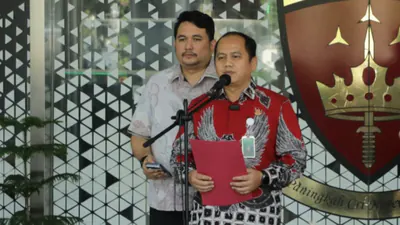
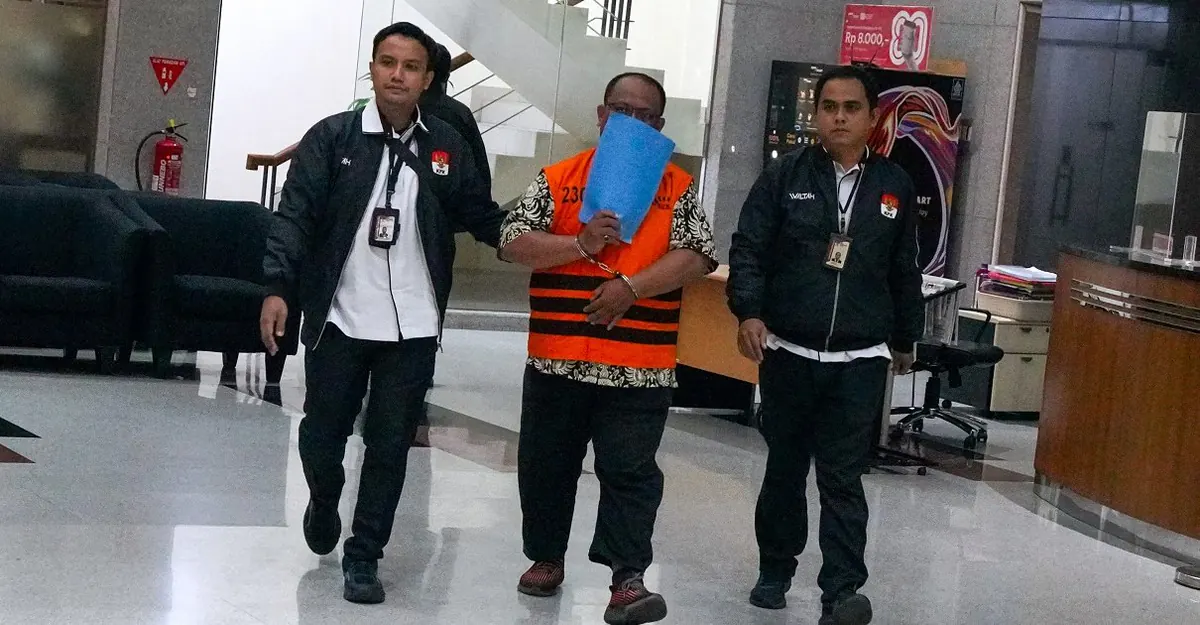
Investigators from the Attorney General's Office (Kejaksaan Agung) questioned five witnesses on Thursday, 12 November 2026, in the investigation into alleged corruption in the governance of nickel commodity operations at PT Citra Lampia Mandiri (PT CNI). The questioning took place at the building of the Deputy Attorney General for Special Crimes (JAM PIDSUS) in Jakarta to strengthen the case file, which authorities estimate caused state losses of 401.65 billion rupiah (about $25 million).
According to TVRI News, the five witnesses came from three institutions: three employees of the Ministry of Energy and Mineral Resources (ESDM) identified as IPA, YS and YB; one person from PT CNI identified as AW; and one representative of PT Sucofindo, a state-owned inspection and certification company, identified as SH. The head of the Attorney General's Office Legal Information Center, Anang Supriatna, said their testimony was needed to complete the case file.
Investigators suspect PT CNI, the holder of an integrated production operation mining business licence in Kolaka, Southeast Sulawesi, exported nickel between 2017 and 2019 without meeting the Domestic Market Obligation (DMO). To facilitate the exports, the company allegedly asked the head of Sucofindo's Kendari unit, NRH, to issue assay test documents that did not match reality. The fictitious documents were then used as a required document for export.
TVRI News reported that the ESDM secretary general from 2013 to 2017, MT, and the Director of Mineral Business Development, BS, were suspected of fulfilling PT CNI's request without an approved work plan and budget (Rencana Kerja dan Anggaran Biaya, or RKAB). In Southeast Sulawesi, officials identified as MRI and NR were allegedly asked to ignore verification of RKAB documents. The Financial and Development Supervisory Agency (BPKP) calculated state losses of 401.65 billion rupiah.
DMO and RKAB in nickel governance
The Domestic Market Obligation requires miners to sell part of their production in the domestic market before they are allowed to export. This rule is the backbone of Indonesia's mineral downstreaming policy, promoted since the era of President Joko Widodo and continued under President Prabowo Subianto. It has a dual purpose: ensuring raw material supply for domestic smelters and curbing raw material exports so that value added is created inside the country. In the nickel case, the DMO is usually set as a certain percentage of total production that must be absorbed by local processing industries.
The work plan and budget (Rencana Kerja dan Anggaran Biaya, or RKAB) is a document containing a miner's production schedule, budget and reclamation plan for one year. Without an approved RKAB, miners do not obtain an export recommendation. This is the loophole highlighted by Kejaksaan Agung investigators: PT CNI's export documents were allegedly issued even though its RKAB did not yet exist. RKAB verification is layered, from the Directorate General of Minerals and Coal at the central level to provincial Energy and Mineral Resources offices, so manipulation at one point can open the way for violations at another.
Sucofindo, a state-owned enterprise operating in inspection and certification, often acts as a third party issuing mineral assay test reports. These documents are used as evidence that the nickel to be exported meets certain technical specifications. When assay test reports are manipulated, the oversight chain loses its final link. Similar cases have previously dragged inspection institutions into other commodity export scandals, indicating that third-party integrity has become a recurring systemic weak point.
From a law enforcement perspective, this nickel governance case adds to a long list of corruption cases in the mineral and coal sector handled by JAM PIDSUS. In recent years, Kejaksaan Agung special crime investigators have handled mining permit cases in East Kalimantan, Sumatra and Sulawesi. The recurring pattern involves forged permit documents, bribery of officials who issue recommendations, and state losses calculated by BPKP. The witness questioning on 12 November 2026 is a stage to complete the case file before investigators decide whether any parties will be named suspects.
Impact on downstreaming and nickel prices
The case directly touches the downstreaming policy, which is a government priority. When illegal exports occur, nickel that should enter domestic smelters instead leaves as raw material, reducing supply for the processing industry and squeezing plant utilisation. For investors building smelters with policy incentives, the certainty that DMO rules are enforced is a trust factor. Violations that escape oversight can make long-term commitments to Indonesia questionable.
For the community of Kolaka and surrounding areas, the case concerns regional revenue. Royalties and taxes from nickel mines are sources of local own-source revenue and revenue-sharing funds. When export documents are manipulated, the tax base is also distorted, and the 401.65 billion rupiah loss calculated by BPKP ultimately becomes money that does not enter state or regional coffers. Thorough law enforcement will determine whether the losses can be recovered.
What to watch for next is whether this witness questioning leads to the naming of new suspects, and how courts treat Sucofindo test result documents alleged to be fictitious. For end consumers, the effect is not directly felt in electric vehicle battery prices, but confidence in Indonesia's mineral governance affects export competitiveness and investment flows in the same sector.