Indonesian Workers' Union Says Dasco Fits Vice-Presidential Role as Bridge Between Parties and Civil Society
The Confederation of Indonesian Workers' Unions says Sufmi Dasco Ahmad is fit for vice president because he can bridge political parties, government and civil society.
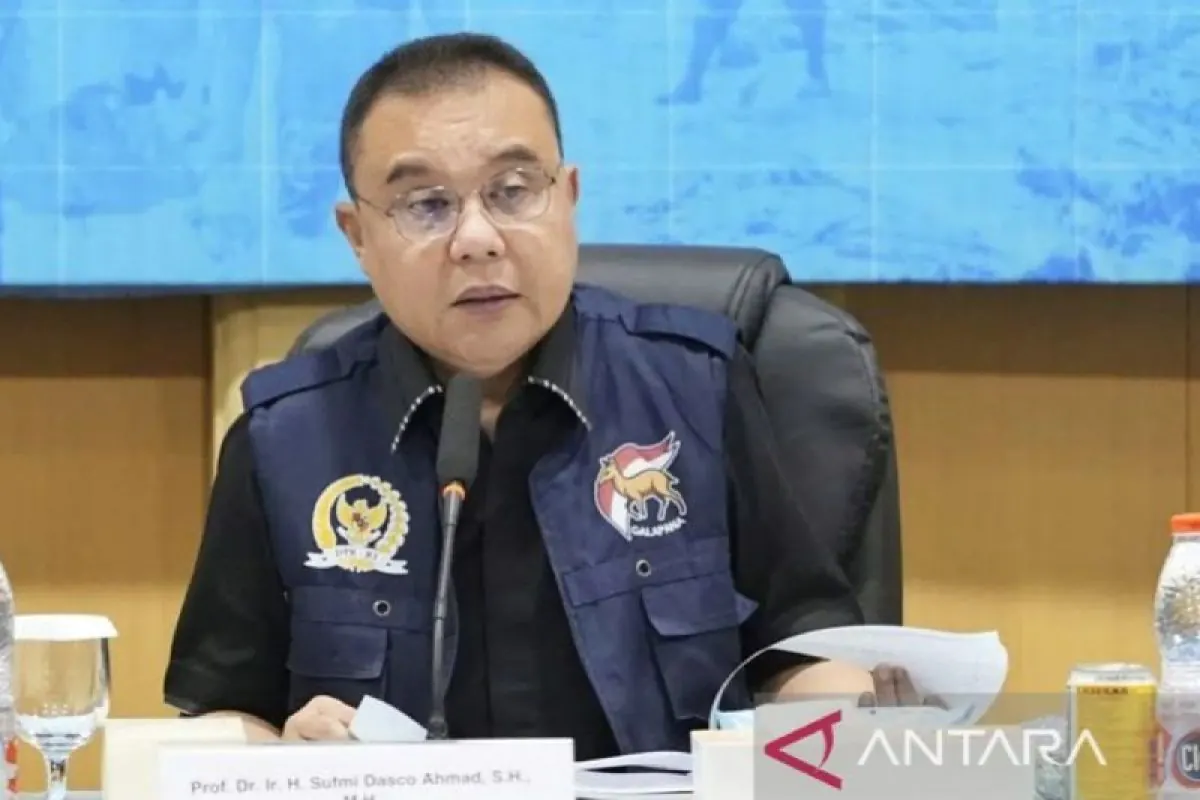
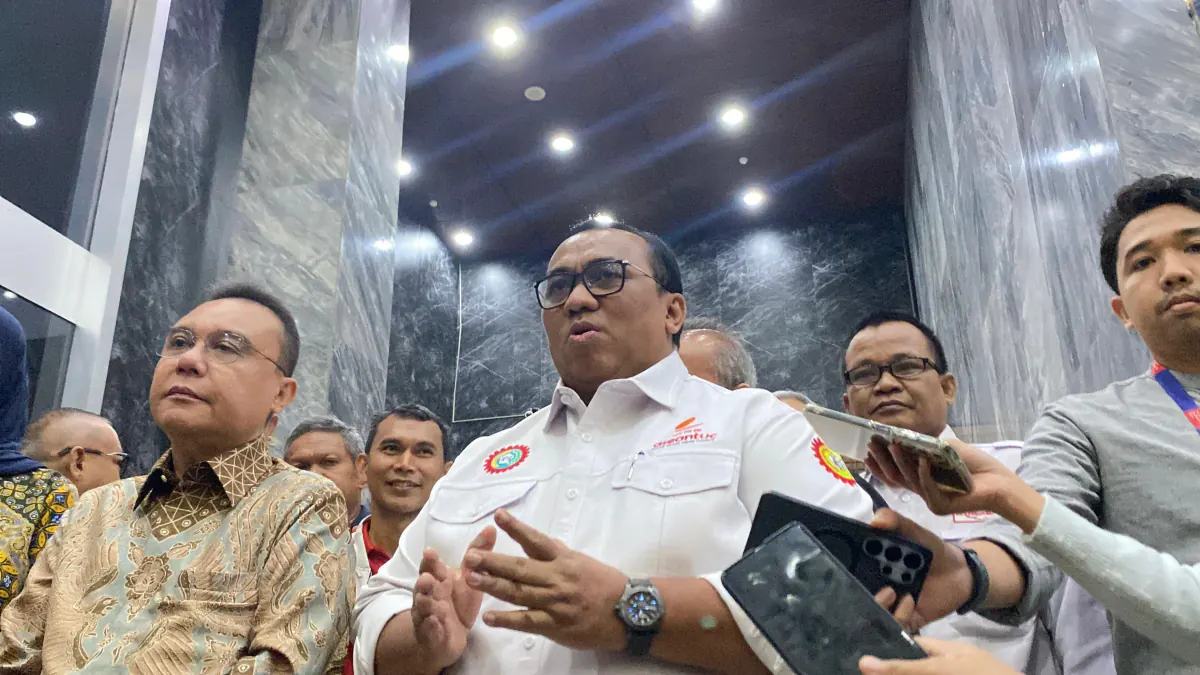
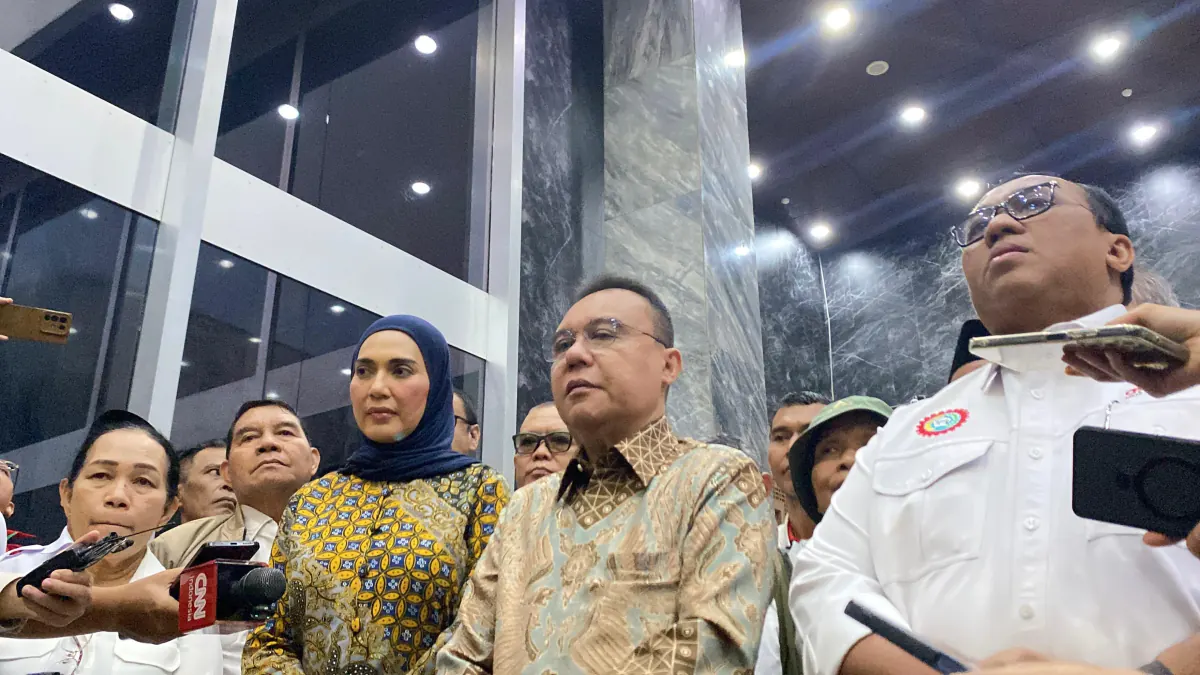
The Confederation of Indonesian Workers' Unions (KSPI) has said that Deputy Speaker of the House of Representatives (DPR RI) and daily chairman of the Gerindra Party, Sufmi Dasco Ahmad, is fit to serve as vice president because he can bridge political parties, the government and civil society.
KSPI Chairman Jumhur Hidayat made the remarks in Jakarta on Monday, as reported by Antara news agency. He said Dasco had been proven to help secure President Prabowo Subianto's leadership and came from the same party as the head of state.
Jumhur said many young Gerindra cadres were fit, but Dasco's experience in direct interaction made him the right choice. “The vice president should be from Gerindra,” Jumhur said.
Jumhur cited Dasco's role during stalemates in discussions on labour regulations and agrarian reform issues. He said that ability helped ease tensions between the government and civil society.
The vice president's role in coalition stability
In Indonesia, the vice presidency is not merely a symbolic post. Under the country's presidential system, the vice president runs on the same ticket as the president and is elected by the people for the same term. As a result, the choice of a vice-presidential candidate is often read as a political signal about coalition composition, closeness to supporting parties, and the ability to keep communication flowing between the presidential palace, parliament and interest groups outside government.
In many administrations, the vice president can act as a buffer when the president is consumed by a packed executive agenda. The vice president may serve as an informal spokesman to partner parties, calm internal friction, or open dialogue channels with mass organisations, labour unions and business groups. When a government faces socially sensitive issues such as labour or agrarian reform, that bridging role becomes more visible because policy depends not only on economic figures but also on public acceptance.
The KSPI proposal should also be read in the context of Gerindra's position as a party supporting President Prabowo. In Indonesian politics, a cadre of a supporting party seated in the vice presidency is often seen as helping maintain coalition loyalty. But a proposal from a workers' organisation is not automatically an official party recommendation. The view more closely reflects civil society's hope that a vice-presidential candidate has a track record of open communication, rather than being merely a name from the power structure.
Labour and agrarian reform issues often sit at the intersection of workers, farmers, investors and the state. Unions typically demand wage certainty, contract protection and bargaining space, while agrarian reform touches land disputes, land rights and territorial governance. A figure seen as able to bridge those issues is considered important because the figure could reduce the potential for conflict, even though policy solutions still must pass through long political and legal processes.
What the proposal means for workers and public policy
For Indonesian readers, the KSPI proposal does not yet signal a direct change to prices of basic goods, minimum wages or employment status. The vice presidency is determined by the candidate pair, coalition parties and the electoral process, not by a single mass organisation. But the signal from the workers' union matters because it can shape how the government communicates when it discusses policies that affect many households, including work rules, social protection and the settlement of land disputes.
What should be watched is whether the discussion pushes the government to open wider dialogue with workers and civil society. If a chosen vice president is seen as having access to parliament and parties, the public may hope that policy stalemates can be resolved more quickly. Conversely, if an appointment is perceived only as a distribution of posts, public trust may fall, especially when labour and agrarian issues trigger protests or communal conflict.
The most practical impact for ordinary readers is the quality of information they receive about policy. Workers, farmers and families dependent on formal and informal sectors need to monitor whether promises of dialogue are followed by consultation mechanisms, minutes and clear regulatory changes. Without that, support for a single name may be seen as part of a political process that does not change daily life. Readers can therefore judge the success of the discussion by concrete actions, not by names alone. Transparency in the consultation process will determine whether labour and agrarian policies truly serve the groups most affected.
Related news
Gibran submits resignation, mechanism for filling vice president; the Ministry of Primary and Secondary Education (Kemendikdasmen) projects Donggala as a quality centre in Central Sulawesi; Maruarar says free land certificates give legal certainty to residents.