Former FFI chief backs PSSI audit of non-state futsal funds
Michael Sianipar supports PSSI’s plan to audit non-APBN funds at the Indonesian Futsal Federation after being removed as chairman general.
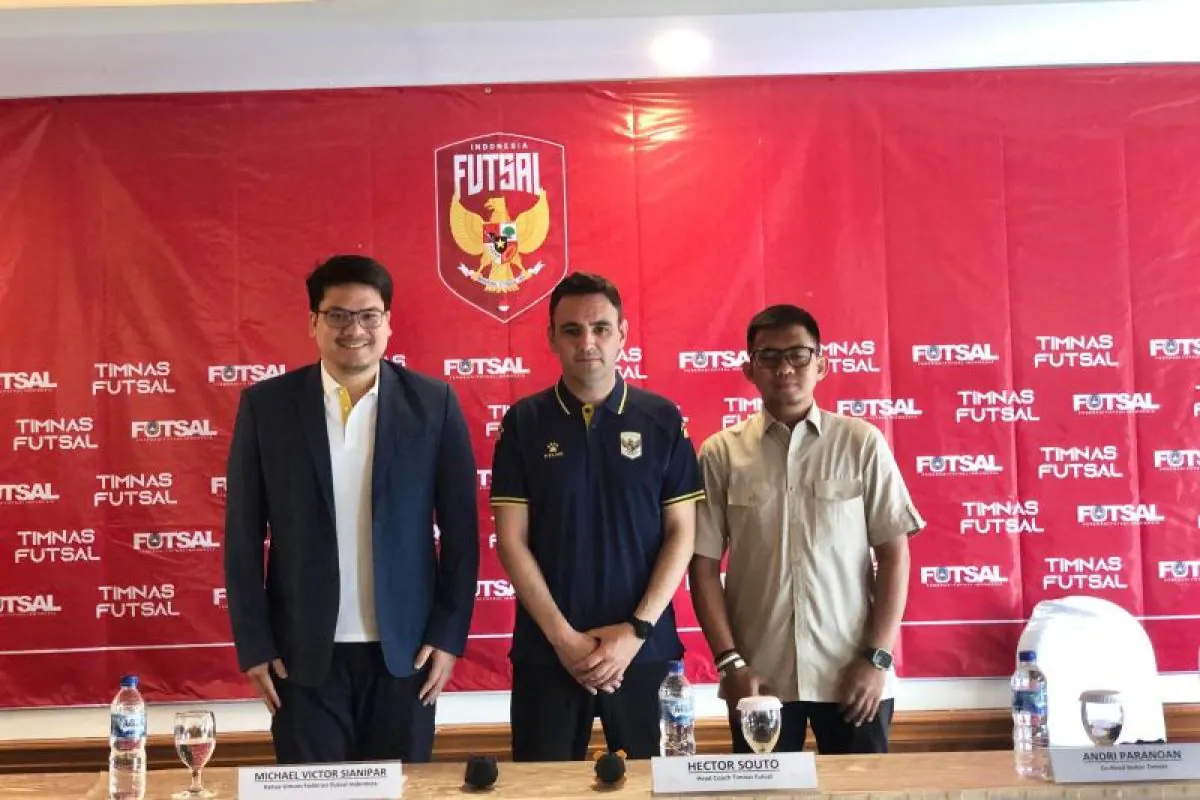
Former chairman general of the Indonesian Futsal Federation (FFI) Michael Sianipar said he supported a plan by the Indonesian Football Association (PSSI) to audit the management of funds outside the state budget, known as Anggaran Pendapatan dan Belanja Negara (APBN), at FFI, according to the state news agency ANTARA on Saturday, 14 November 2026.
The stance followed a remark by PSSI Secretary General Yunus Nusi that an audit of FFI’s non-APBN funds was needed to trace arrears in club subsidies and the absence of incentives for Provincial Futsal Associations (AFP). ANTARA reported that the review would cover revenue sources, cash flow, budget use, and the federation’s obligations to clubs and provincial associations.
Michael said the proposed audit could be an opportunity to recognise private contributions to building futsal in Indonesia. “If necessary, FFI’s non-APBN funds should also be audited since FFI was founded,” Michael said. He said that for the first 10 years after FFI’s founding, the federation operated without APBN support, leaving its funding heavily dependent on private contributions.
He also mentioned the role of Hary Tanoesoedibjo as a funder of non-APBN resources whose contribution remained significant. Meanwhile, PSSI dismissed Michael from the chairman general post on 12 November 2026 and appointed Vivin Cahyani Sungkono, a member of PSSI’s executive committee (Exco), as acting chairman general through Decree No. 271/SKEP/XI-2026.
Private funding’s footprint in Indonesian futsal
APBN funds and non-APBN funds occupy different positions in sports financing. The state budget comes from taxes and is channelled through government mechanisms, so its use must be accountable to the public. Non-APBN funds usually come from sponsors, donors, broadcasting rights, membership fees, or private assistance. In sports federations, the two sources often mix, while financial records are not always open.
Financial audits in sports organisations are not only tools for finding wrongdoing. Such reviews are commonly used to map cash flow, verify obligations to clubs, and ensure that received funds are actually used for competitions, development, and operations. When payments to clubs or regional associations are delayed, an audit can help trace whether the problem lies in revenue, spending, receivables, or organisational governance.
The history of Indonesian futsal cannot be separated from private patrons. In the early period, competitions and federation activities often depended on individuals, companies, or media willing to bear costs. This model helped the sport grow quickly, but it carries risks if funding is not institutionalised in a sound financial system. Therefore, private contributions need to be appreciated and examined so they do not raise questions about transparency.
In a federation’s structure, leadership changes often trigger renewed scrutiny. New administrators usually want to know the financial legacy, while those replaced may view an audit as a way to clear their name or clarify contributions. Such tension is normal in organisations that manage public and private funds. The key is to ensure the audit process is independent, transparent, and not used as a tool of organisational politics. Audit results should be summarised in a report understandable to clubs, associations, and the public, not only circulated as an internal issue.
What transparency means for futsal clubs
For fans, players, and workers in the futsal industry, the audit touches practical matters: whether club subsidies are actually disbursed, whether competitions can run, and whether salaries and travel costs are handled. Payment delays are not just a federation office issue. They can affect training, match quality, and the survival of small clubs that depend on organisational support.
For taxpayers, the use of state funds and non-APBN funds that concern the public interest demands the same accountability. If the audit finds problems, fixes should target system improvement rather than merely replacing administrators. If the audit shows private contributions have long supported competitions, the findings also matter so appreciation does not stop at rhetoric and becomes healthier governance.
Going forward, readers should watch the audit results, responses from PSSI and FFI, and concrete steps for AFP and clubs. Without open reporting, disputes can repeat each time leadership changes. The public has a right to know whether arrears are resolved, whether private funding sources are legally acknowledged, and whether future funding policies are better planned. If audit findings stop at press statements, trust from clubs and society will be hard to restore. Therefore, follow-up mechanisms must be clear.