Depok KPU: PKS Can Field Mayoral Candidate Alone Without Coalition
The Depok City General Elections Commission (KPU) says the Prosperous Justice Party (PKS) is the only party able to field a mayoral candidate without a coalition in the 2024 Depok regional election.
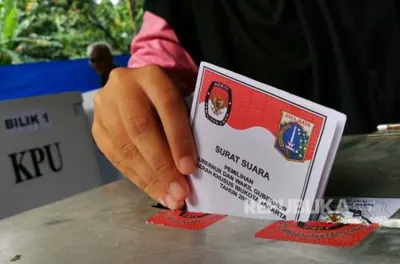
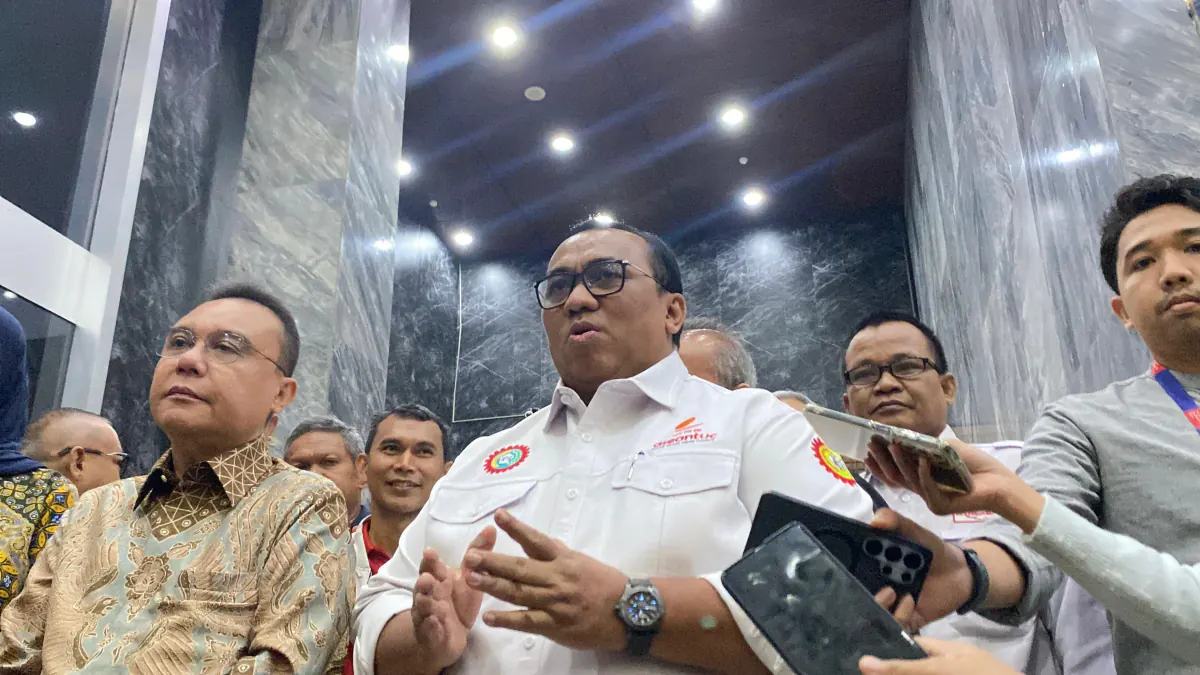
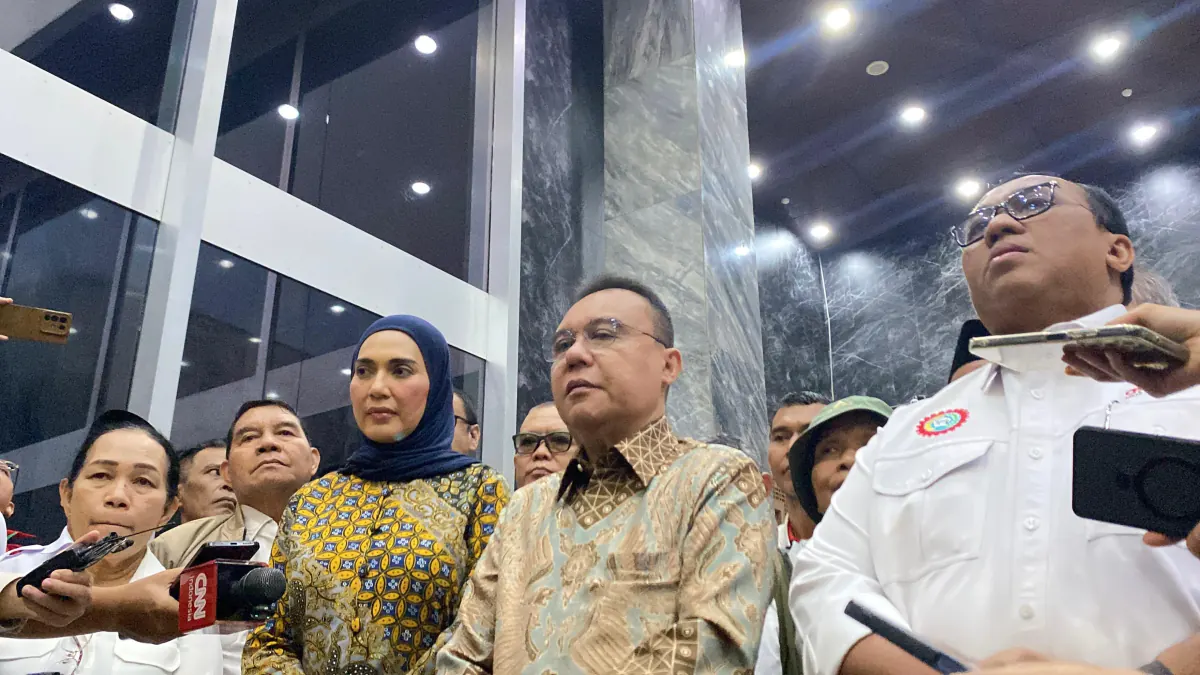
Wili Sumarlin, chairman of the Depok City General Elections Commission (KPU), said the Prosperous Justice Party (PKS) was the only party able to field a mayoral and deputy mayoral candidate pair without a coalition in the 2024 Depok regional election, as reported by the Indonesian daily Republika on Wednesday.
According to Wili, PKS won 13 of the 50 seats in the Depok City Regional House of Representatives (DPRD), meeting the 20 percent threshold for nominating regional heads.
He said other parties would have to form coalitions to meet the requirement. Wili gave the Depok City DPRD seat breakdown as the Great Indonesia Movement Party (Gerindra) 8, Golkar 7, the Indonesian Democratic Party of Struggle (PDIP) 6, the National Awakening Party (PKB) and the Democratic Party (Demokrat) 5 each, the United Development Party (PPP) and the National Mandate Party (PAN) 2 each, and the Indonesian Solidarity Party (PSI) and NasDem 1 each.
The Depok KPU said the final determination of the 50 elected DPRD members for the 2024-2029 term would be made after a ruling by Indonesia's Constitutional Court. The determination paves the way for their inauguration in October, while the regional election vote is scheduled for 27 November 2024.
Seat and coalition rules for regional elections
Indonesia's rules for nominating regional heads tie a party's right to run candidates to the strength it won in legislative elections. A party may propose a candidate pair if it meets the threshold for DPRD seats or the accumulation of valid votes. The logic is that candidates must carry enough voter support, either through seats already held or through a combination of parties. In a multiparty system, the rule encourages political bargaining before candidate registration. It also limits the number of candidate pairs so the election process is more manageable.
The seat threshold makes the balance of power in regional legislatures important. If a party controls a large share of seats, it can run alone. If not, it must invite other parties to form a coalition. A coalition is not only about seat numbers; it also involves sharing roles, program commitments, and readiness to face political costs during a regional election. Parties that are too small often have to accept the deputy candidate position or join in supporting a pair put forward by a larger party.
Parties below the threshold still have strategic roles because they can become coalition partners. In many regions, the post-election composition of legislatures produces several possible candidate pairs: some parties are strong enough to run alone, while others must join together to meet the requirement. For that reason, the final determination of elected DPRD members is the starting point that sets the direction of local politics. That map also affects how many candidate pairs will appear on the ballot.
The process of determining election results can also be delayed if there are disputes at the Constitutional Court. Rulings in disputes can change seat composition, so local KPU offices must wait for legal certainty before announcing elected DPRD members. After the final composition, the next stages are the inauguration of council members and preparation for the regional election. The determination also affects the schedule for verifying candidate documents.
Impact for Depok voters
For voters in Depok, the seat rule means that choices in the regional election are determined not only by the popularity of names, but also by party strength in the DPRD. If one party can run without a coalition, it has greater bargaining power in selecting candidates. Other parties must negotiate first to place their candidates. The rule makes it possible for the Depok election to feature candidates backed by a large party without coalition compromises.
Inter-party coalitions can also influence the direction of local government after the election. Candidate pairs born from large coalitions usually carry joint pledges and must balance the interests of supporting parties. For residents, this matters because the mayor and deputy mayor's programs do not exist in a vacuum; they are tied to political support in the DPRD. If a coalition is not solid, local policies can be delayed because communication between the executive and legislature becomes more complicated. Voters can compare candidate pairs by their programs and party backing.
Voters need to watch the certainty of the final determination of DPRD members and the candidate registration schedule. From that, residents can see which parties are ready to run alone, which must form coalitions, and which pairs are most likely to appear on the ballot. That information helps voters assess candidates' readiness and the strength of their support before voting day. Residents can also trace candidates' track records and party commitments in registration documents that the KPU will announce. In that way, voters do not simply choose names, but also judge the coalition capacity that will sustain the government.