Bangladesh hopes ICJ ruling accelerates Rohingya repatriation
Bangladesh welcomed an ICJ ruling holding Myanmar responsible for the Rohingya genocide and hoped it would accelerate repatriation.
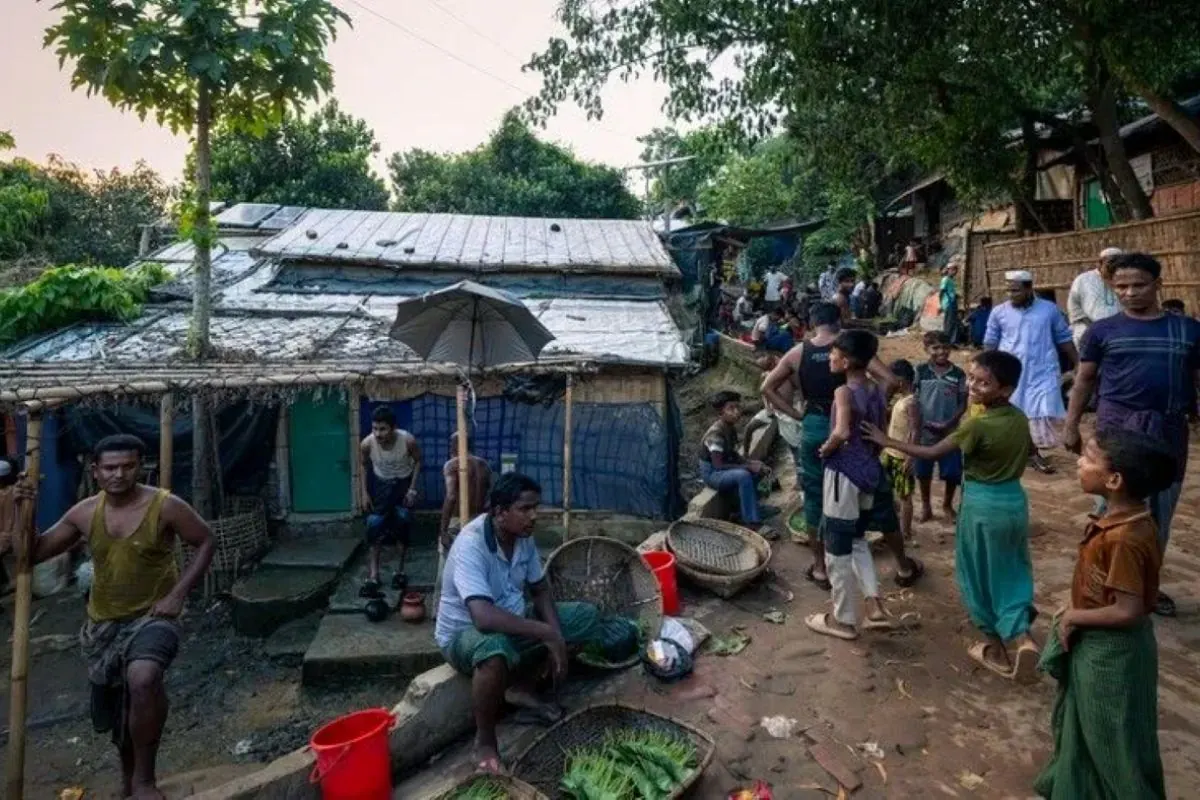
Bangladesh welcomed a ruling by the International Court of Justice (ICJ) on Thursday, 19 November, finding Myanmar responsible for genocide against the Rohingya in northern Rakhine, the Indonesian news agency ANTARA reported. Dhaka said it hoped the decision would encourage the return of refugees.
According to ANTARA, Bangladesh's Minister of State for Foreign Affairs Shama Obaid Islam described the ruling as a "historic day" and said it was very positive. She urged Myanmar and the Arakan Army to respect the ruling and begin the return of Rohingya who wish to go back with dignity.
The ICJ found Myanmar responsible for genocide in northern Rakhine in 2017 by a vote of nine to six. Bangladesh hosts about 1.3 million Rohingya in Cox's Bazar after they fled a military operation in August 2017.
Obaid praised The Gambia for standing against injustice and genocide against the Rohingya. United Nations Special Rapporteur Kelly Currie warned of possible violence after the ruling, while Bangladesh said it remained fully vigilant.
What the ICJ ruling means for the Rohingya
The ruling matters because the ICJ, the United Nations' main judicial body, settles disputes between states rather than trying individuals. In the Myanmar case, the court assessed the state's responsibility for the conduct of its authorities in northern Rakhine, including whether it breached its obligations under the Genocide Convention to prevent and punish genocide. Such a ruling is final and binding, but carrying out its obligations still depends on the political will of the state concerned and pressure from the international community. In the UN system, compliance with court rulings is a test of international law's credibility, especially when the accused state has political influence.
The Rohingya are a Muslim community that has long lived in Rakhine, but their legal status has been one of the most difficult sources of conflict in Myanmar. Most Rohingya have not received equal recognition of citizenship, leaving them facing restrictions on movement, access to basic services and political participation. That situation means "repatriation" cannot be equated with ordinary relocation, because returning also means regaining civil rights and a sense of security. International recognition of this kind also gives humanitarian organizations a basis to demand safer access to Rohingya villages.
Repatriating refugees requires three basic conditions: physical safety, legal guarantees and voluntariness. Without all three, return plans risk forcing people back to areas that have not recovered. In Rakhine, the situation is complicated by armed conflict involving Myanmar's military and the Arakan Army, a group with its own political agenda. Host countries such as Bangladesh are therefore not simply waiting for a court ruling; they are also monitoring whether Rohingya have real space to live. If returns are forced, the risks include not only violence but also social rejection, land seizure and a lack of civil registration documents.
The ruling also marks an important shift in international law because the ICJ has, for the first time, found a state responsible for genocide. The court is not a venue for trying individual perpetrators; individual criminal responsibility is normally handled in other forums. For the Rohingya, recognition of state responsibility can strengthen their bargaining position in multilateral forums, but it does not remove the need for practical steps on the ground. Bangladesh and other host countries therefore need to translate the ruling into a phased, verifiable plan.
Relevance for Indonesia and the region
For Indonesian readers, the ruling does not directly affect prices or domestic policy, but it touches humanitarian issues that often cross borders. The Rohingya are among the refugee groups that have on several occasions been stranded in Aceh and other areas, so the Indonesian public is accustomed to following developments in this crisis. The issue has also prompted discussions about solidarity, discrimination and how countries should shelter people fleeing violence.
Indonesia, as a large ASEAN member, has an interest in maintaining regional stability, preventing human trafficking and ensuring humanitarian responses do not trigger social tensions. The ICJ ruling can serve as a reference for countries that want to press Myanmar to open access for aid and to discuss phased returns. Inter-regional coordination, local assistance and the management of public information need to be handled carefully so that refugee arrivals do not turn into social conflict.
What matters next is whether international pressure turns into concrete steps: a ceasefire in Rakhine, aid access and legal status guarantees for the Rohingya. Without those, the ICJ ruling risks becoming a symbolic victory that has not changed the fate of refugees in Cox's Bazar or in their places of origin. Public oversight is also important so that aid does not remain symbolic and so that hateful narratives against refugees do not strengthen.