Jakarta crime cases: alleged theft by pregnant woman, illegal parking crackdown and 11.675 kg methamphetamine seizure
Five criminal incidents reported in Jakarta on Thursday, 19 November, include alleged theft by a pregnant woman, enforcement against illegal parking attendants, the discovery of a body, a methamphetamine seizure and a book allegedly containing drug transaction records.
Crime incidents reported in Jakarta on Thursday, 19 November, include alleged theft by a pregnant woman, enforcement against illegal parking attendants, the arrest of a person suspected of assault, the seizure of 11.675 kilograms of methamphetamine and a book allegedly containing records of drug transactions, according to ANTARA, Indonesia's state news agency.
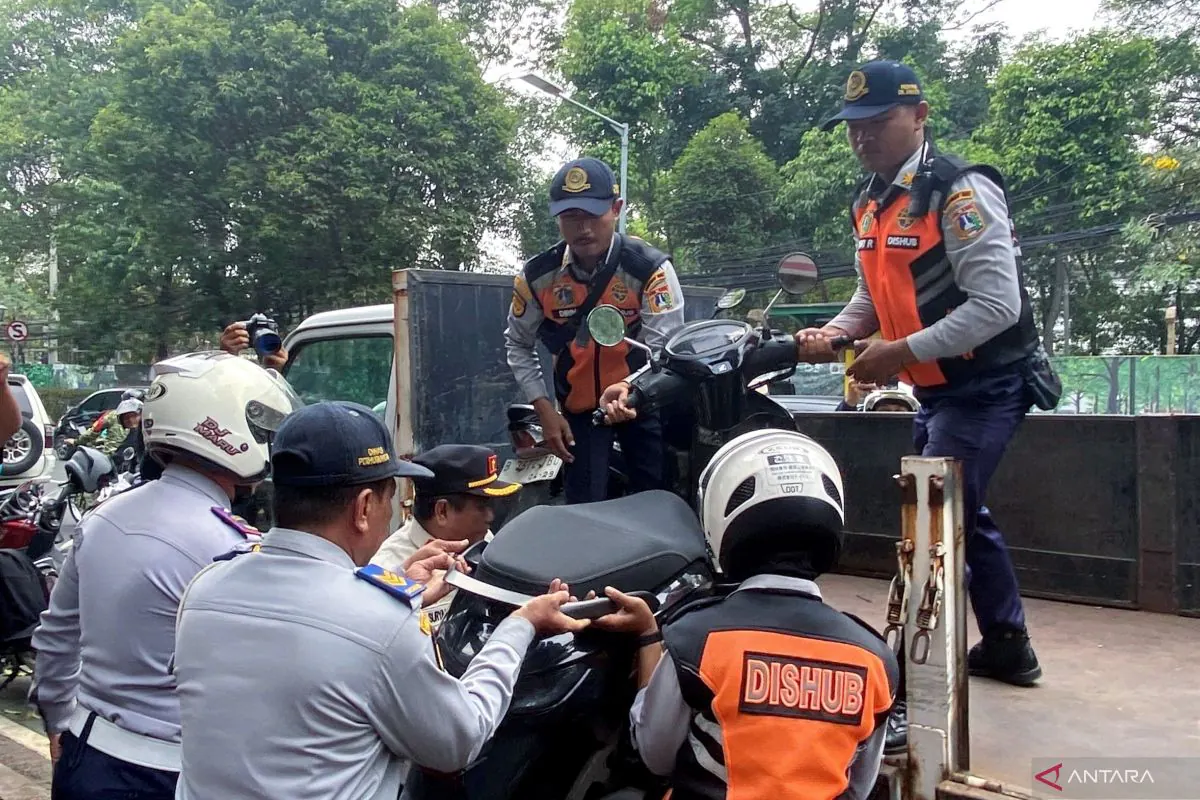
MA, 34, who was reported to be about eight months pregnant, was detained by residents after allegedly trying to break into three houses in Jakarta Barat (West Jakarta). In Blok M, the head of the Jakarta Selatan Transportation Office (Suku Dinas Perhubungan Jakarta Selatan), Bernad Octavianus Pasaribu, said illegal parking attendants claimed to have official permits from rogue individuals in the Jakarta provincial Transportation Office (Dishub DKI Jakarta) during an enforcement sweep.
Polres Metro Tangerang Kota (Metro Tangerang City Police) arrested MA, who is suspected of assaulting D, whose body was found by the side of the Tangerang-Jakarta toll road in Pinang. Polres Pelabuhan Tanjung Priok (Tanjung Priok Port Police) seized 11.675 kilograms of methamphetamine from M, who allegedly brought the drugs by ship. Polres Metro Jakarta Timur (Metro East Jakarta Police) are investigating the discovery of the book at Pasar Obor in Pasar Rebo.
Urban crime and law enforcement
The incidents show how urban crime can be linked across homes, parking areas, violence, drugs and market transaction records. Jakarta's role as an economic, transport and trade hub puts many people in the same spaces every day, creating room for minor disputes, weak supervision and repeat offences. Markets, terminals and ports are vulnerable because goods and people move quickly and densely, making monitoring difficult. In large cities, crime often arises from a combination of economic pressure, opportunity and uneven oversight.
In crime reporting, the word suspected matters because legal proceedings are not finished. A person who is detained or questioned may be a witness, suspect, defendant or convicted offender, and each status carries a different meaning. Authorities may arrest or detain someone based on initial evidence, while a court determines guilt after a final and binding ruling by a judge with jurisdiction. The presumption of innocence also protects the reputation of people who have not been proven guilty, and media should avoid conclusions that run ahead of the courts.
The involvement of a pregnant woman in a criminal case also needs proportionate reading. Pregnancy does not automatically stop legal proceedings, but it can be a humanitarian consideration in questioning, detention and sentencing. The public should separate sympathy for a person's condition from judgment of the alleged act. Handling such cases also requires coordination with health services so that reporting does not become a public verdict.
For illegal parking, the term jukir is commonly used for parking attendants who demand money without an official basis. When they claim to have permits from rogue officials, the reference is to individuals rather than the institution. Enforcement matters because illegal parking can affect road users' sense of safety, public service standards and local revenue that should be recorded. Without action, residents may become accustomed to paying unauthorised people. Tariff oversight and parking land management need regular checks.
Practical meaning for city residents
For readers in Indonesia, this roundup is more relevant as a warning about everyday risk points than as a measure of national crime. Theft in residential areas reminds residents to check house locks, lighting and communication with neighbours. Illegal parking in Blok M shows road users should confirm official attendants, tickets or tariff boards before paying. Residents can also use official complaint channels when they find unlicensed parking or suspicious activity in their neighbourhood.
The methamphetamine seizure at Tanjung Priok and the book allegedly containing drug transaction records at Pasar Obor show that port and market supervision remains important. For ship users, baggage checks may add time but are part of prevention. For traders, raids may briefly disrupt activity but can also help clear practices that harm the business environment. For families, education about the dangers of narcotics is important because trafficking can touch transport routes, markets and residential areas.
Direct effects on prices or national policy cannot yet be concluded from this set of incidents. What matters is the oversight pattern: whether arrests are followed by further checks, whether parking permits are enforced through transparent systems, and whether drug entry routes at ports are closed more tightly. Without that, similar cases can recur. The legal status of each person named also needs to be kept clear so that reporting does not go beyond the facts.
Related news
Indonesia and UEA (United Arab Emirates) develop AI-based mangrove restoration
Madiun immigration monitors 974 WNA (foreign nationals), with Malaysian Islamic boarding school students the largest group
Kementan (Agriculture Ministry) reaffirms palm oil partnerships for national productivity