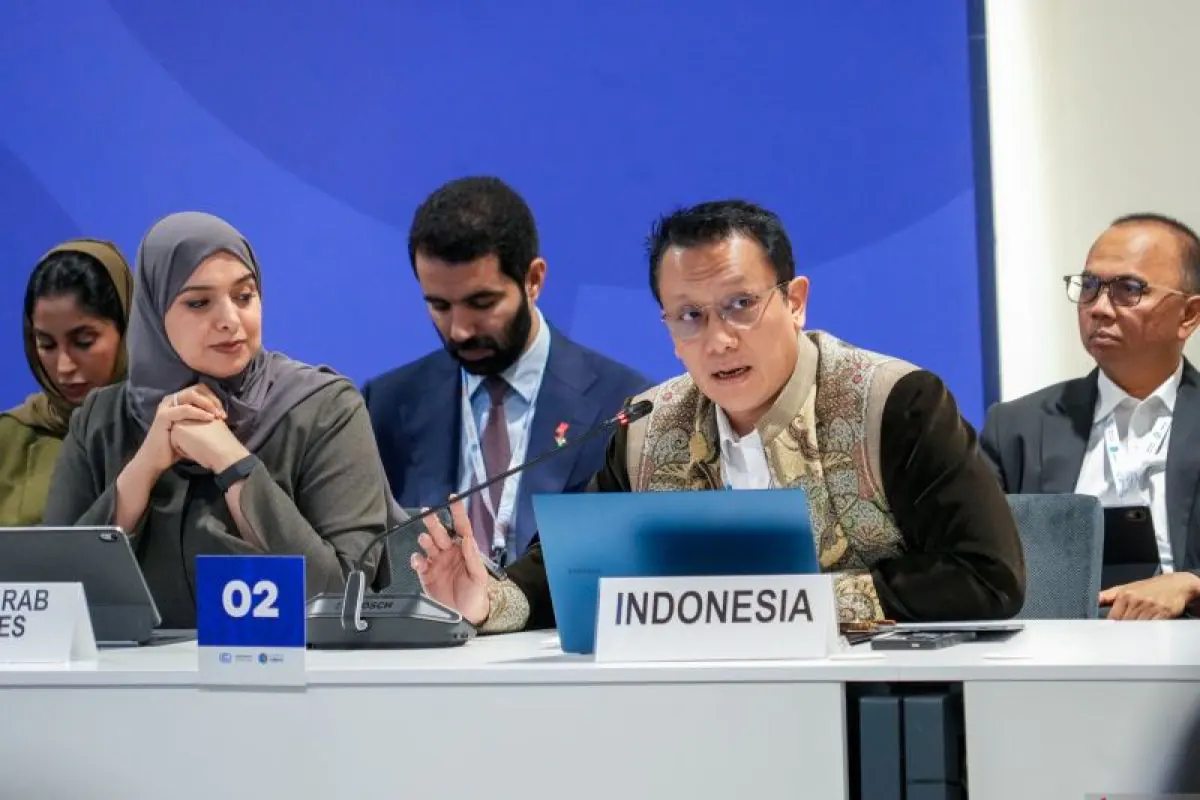
Yusril says Gibran still performing vice-presidential duties after resignation request
Gibran is said to still be carrying out vice-presidential duties after submitting a resignation request to President Prabowo Subianto, while the decision awaits the minister of state secretariat.
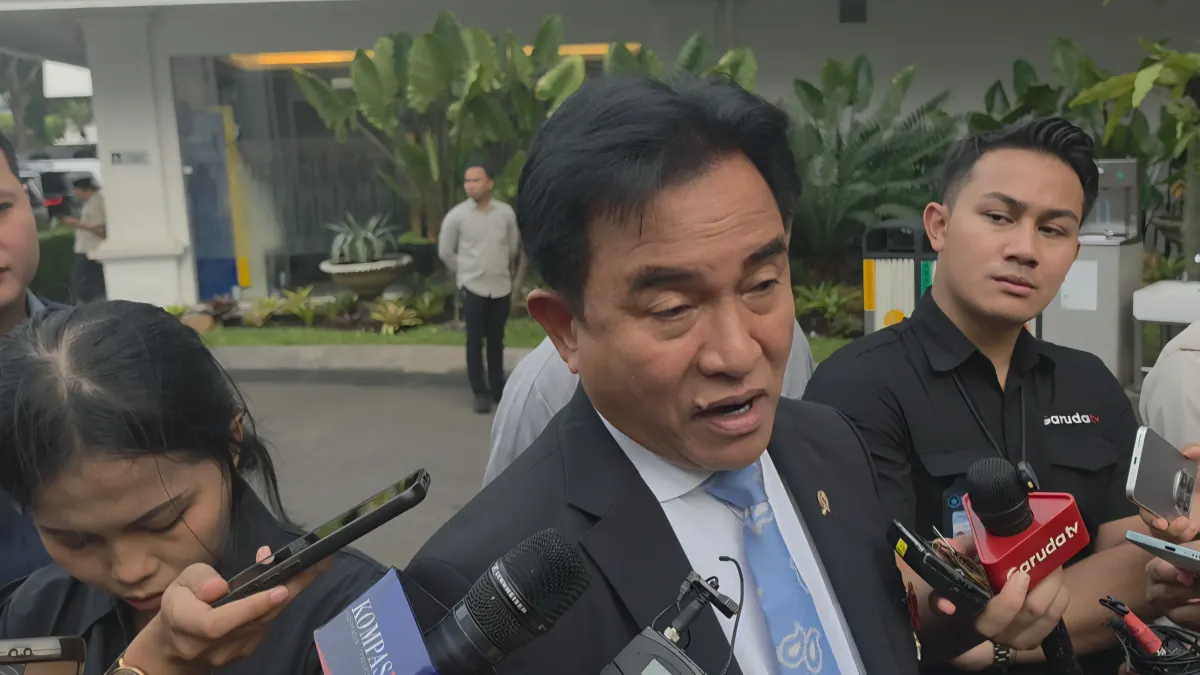
Vice President Gibran Rakabuming Raka was still carrying out his duties on 10 November 2026 after submitting a resignation request to President Prabowo Subianto in a closed meeting at the Presidential Palace in Jakarta, as reported by Radio Republik Indonesia (RRI).
Coordinating Minister for Law, Human Rights, Immigration and Correctional Affairs (Kumham Imipas) Yusril Izha Mahendra said the vice-presidential position had not become vacant because Gibran remained active as of that day. He said the decision to accept or reject the request would be explained by Minister of State Secretariat Prasetyo Hadi.
Gibran submitted the request to respond to legal developments over the administrative validity of his education. Prasetyo said the president had not yet made a decision but had given advice to Gibran.
Process of a vice-presidential resignation
In Indonesia's presidential system, the vice presidency is not merely an auxiliary post but part of a ticket chosen by voters as a single pair. When a vice president submits a resignation request, the first question is therefore not only about personal intent but about how the state maintains governmental continuity. The request does not automatically make the office vacant. The status remains attached until an official decision is made and a replacement mechanism is carried out.
Generally, the resignation of a senior state official involves three layers: a statement of intent, acceptance or rejection by the authority empowered to decide, and administrative action to fill the office if a vacancy occurs. At the political level, the step also signals that elites are choosing to dampen public debate, even if legal debate may continue outside the palace. Government explanations usually therefore come in stages: first confirming that the office is not vacant, then stating that the final decision is still being processed. The public also needs to understand that a vacancy can slow policy signing, inter-agency coordination and the state's representation in certain forums.
In elections, formal candidate requirements often become objects of dispute. Education documents, for example, can be examined because they relate to nomination rules. However, differences in interpretation of documents or rulings by judicial bodies do not automatically erase a mandate already obtained. What matters is whether the applicable rules provide a legal basis to cancel, correct or require replacement of an officeholder. The administrative term in nomination issues therefore usually refers to dossiers, verification and procedure, not to a working official's competence.
Rulings by the Constitutional Court (MK) and the Supreme Court (MA), in a constitutional context, often serve as clarifications of legal interpretation. Both can influence the direction of public debate, but their effect on an office depends on the norms applied and the authority of the institution that acts. For readers, the phrase 'legal dynamics' in officials' statements usually refers to a sequence of lawsuits, rulings and political reactions that has not been completed. Certainty therefore emerges only when the government announces an official position. In such situations, the public can distinguish between political pressure and legal process: the first moves quickly through elite statements, while the second proceeds through norms, institutions and slower deadlines. Official clarification becomes the line between speculation and certainty.
What the public should watch
News of a vice-presidential resignation is relevant because it touches the stability of the execution of government programmes. The vice president often coordinates issues across ministries, so a change in the office's status can affect the rhythm of policy, especially if a vacancy or replacement occurs. For society, the most important thing is not political drama but clarity over who is responsible for policies under way. Job uncertainty can also affect investor perception and consumer confidence in the direction of regulation.
For Indonesian readers, developments need to be monitored through official statements rather than speculation. If the request is accepted, the public has a right to know the replacement mechanism and its impact on the national agenda. If the request is rejected, the government needs to explain the legal and political basis of its decision. Transparency is important because the vice presidency is part of the people's mandate, so every change must be constitutionally accountable. That way, the public does not only follow elite gossip but also assesses whether the process conforms to law.
The practical relevance is also visible in the political market and the bureaucracy. When elite office issues emerge, investors, parties and ministries tend to wait for official signals before taking action. For citizens, the impact can appear as delayed programme coordination, changed policy priorities or rising uncertainty. Fast and consistent government explanations therefore help maintain public trust and prevent rumours from replacing facts. The public also needs to demand accountability for policies already under way, because a change in office must not cause programme promises to disappear without explanation.
Related news
President Prabowo ensures economic fundamentals remain strong; pressure to impeach Vice President Gibran after Constitutional Court and Supreme Court rulings; Rofik Hananto urges investigation into alleged presidential wiretapping and the main actors.