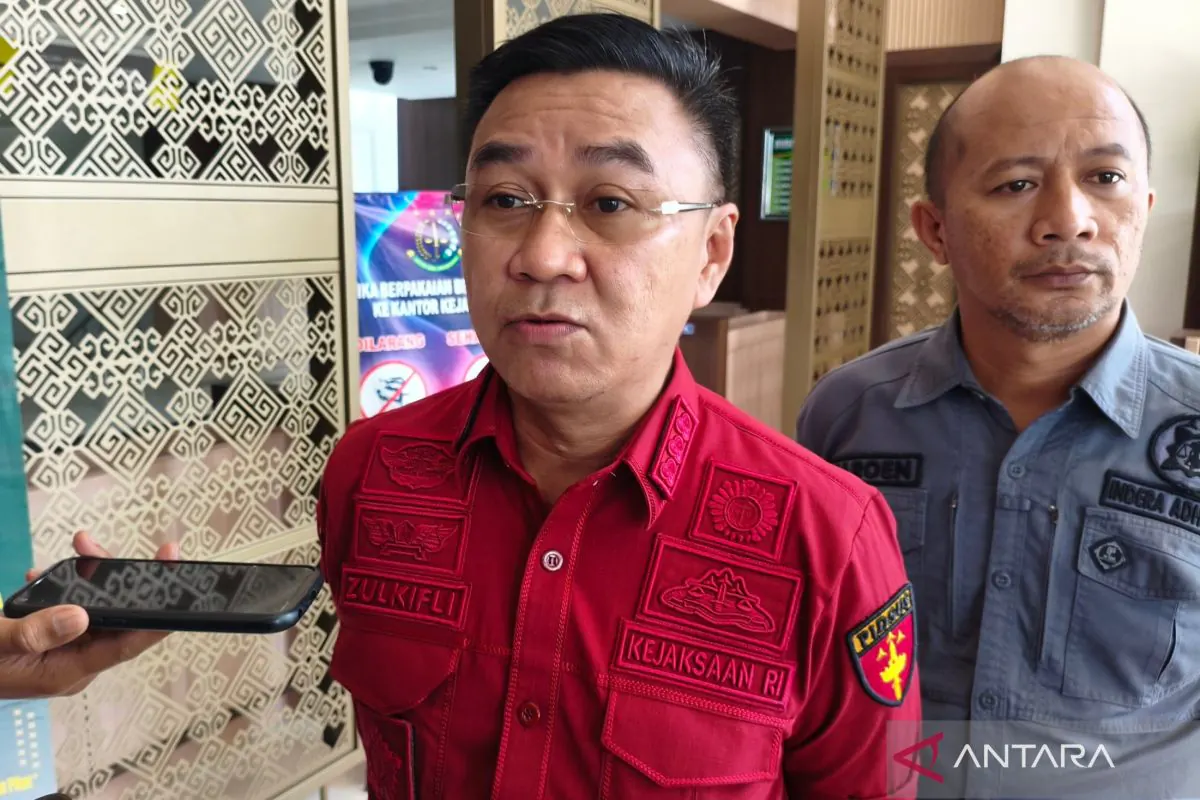
Tasikmalaya District Prosecutor's Office Halts Prosecution in Alleged Fraud Case
The Tasikmalaya District Prosecutor's Office has stopped prosecuting an alleged fraud and embezzlement case after the suspect and victim reached a peace agreement through restorative justice.
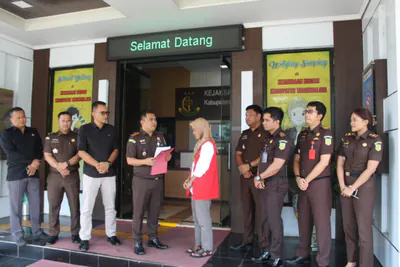
The Tasikmalaya District Prosecutor's Office has stopped prosecuting an alleged fraud and embezzlement case involving Shifa Fauziah binti Alm. Ishak, as reported by TVRI News, after the suspect and the victim reached a peace agreement through restorative justice.
The agreement was reached after the suspect admitted wrongdoing, apologised, returned a motorcycle that had previously been pawned, and settled the outstanding loan obligation.
Tasikmalaya District Prosecutor's Office Head Aka Kurniawan said the halt to prosecution was not decided directly, but went through a case presentation and leadership approval in accordance with legal provisions.
The decision refers to Decree No. 26/PEN.Pid-TITUT/2026/PN Tsm, issued by the Chair of the Tasikmalaya District Court on 13 November 2026.
Head of the Intelligence Section at the Tasikmalaya District Prosecutor's Office, Nikodemus Damanik, said peace had been achieved and the requirements for restorative justice had been met. “Justice does not always have to end in criminal punishment,” he said.
Restorative Justice in Minor Criminal Cases
In Indonesia's criminal law system, restorative justice does not erase a criminal act. It is a way of resolving cases by restoring harm suffered by victims. The approach is usually used for cases considered minor, those that do not cause broad public disturbance, and cases in which the parties are willing to reconcile. Its aim is to shift the focus from punishment to repairing social relationships. In recent years, law enforcement officials in various regions have used restorative justice for eligible cases, partly because conventional criminal proceedings can take a long time and generate social costs. The approach is also often linked to efforts to reduce prison overcrowding, although the main rationale remains victim recovery. In many regions, fully prosecuting minor cases can also burden law enforcement agencies, courts, and families waiting for a verdict.
General requirements for applying restorative justice in certain cases include an admission of responsibility, recovery of losses, the victim's consent, and the absence of coercion. Prosecutors usually assess the suspect's background, the value of the loss, the potential sentence, and whether the act was repeated. Therefore, the halt to prosecution does not automatically apply to all fraud cases. The victim also needs to feel that their rights have been restored, rather than simply persuaded to reconcile.
Administratively, a prosecutor's halt to prosecution must go through internal mechanisms, including case discussion and approval by superiors. This is important so that the decision can be accounted for and is not seen as unilateral intervention. In court, a judge's decree also serves as the formal basis for whether a case can be halted or not continued to trial. As a result, the document halting prosecution and the court decree are markers that the process has been recorded, rather than merely an informal agreement. Publication of the decree and press conferences are forms of accountability.
Compared with cases allowed to proceed all the way to court, restorative justice can reduce time, costs, and psychological burdens for victims and the suspect's family. However, the approach must not blur the line between peaceful settlement and impunity. Cases involving large losses, many victims, or repeated patterns of conduct are still more appropriate for criminal processing. With that caveat, restorative justice must remain under public scrutiny so it does not create the perception that settlement only benefits the wealthy.
What Residents of Tasikmalaya Should Note
For residents of Tasikmalaya, the halt to this case shows that small conflicts that lead to criminal reports do not always have to end in prison. If losses are compensated and the victim feels restored, social relations at the neighbourhood, family, or small-business level can recover more quickly. This is relevant in areas with many motorcycle transactions, pawning, and informal loans. This matters because many motorcycle and loan disputes are rooted in urgent economic needs. For the suspect's family, a process that does not proceed to trial also helps preserve work access and social responsibilities.
However, the public needs to understand that restorative justice is not a shortcut for all cases. Victims must be genuinely free from pressure, and suspects who have not returned losses can still be prosecuted. For potential victims, the safest step is to create written evidence, record the value of losses, and report promptly if reconciliation is not reached.
From a policy perspective, this case reminds us that law enforcement in the regions needs to balance legal certainty with practical benefits. The public can demand transparency: why restorative justice was used, which requirements were met, and what victim rights were restored. Without open explanation, peaceful mechanisms risk being seen as discriminatory. Internal and external oversight is important to prevent abuse of authority, so citizens do not only see the final outcome but also the process. Prosecutors need to explain that halting a case does not mean the act is treated as if it never happened.