PSI Downplays Deputy Culture Minister Giring Ganesha's Party Exit
A senior PSI official said Deputy Culture Minister Giring Ganesha's resignation from the party was a private right of members.
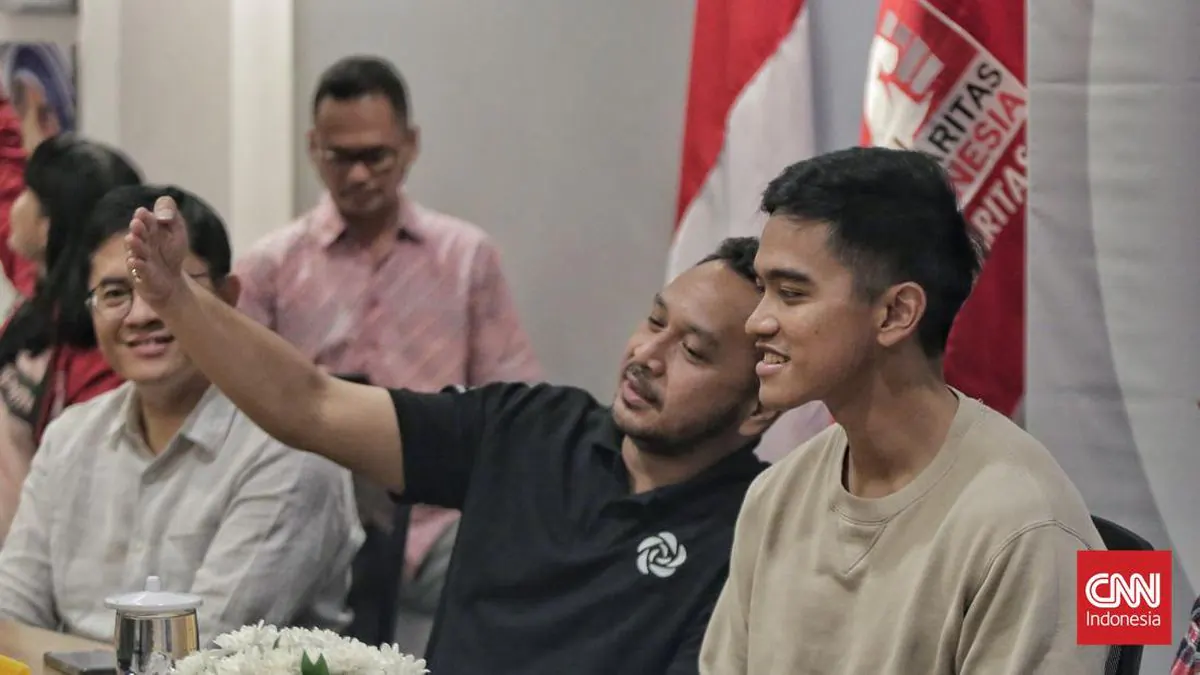
Deputy Culture Minister Giring Ganesha said he had left PSI (the Indonesian Solidarity Party) on Monday, 9 November, according to a CNN Indonesia report. Bestari Barus, chairman of PSI's central executive board (DPP), speaking in Jakarta, described the move as a private right of party members protected by law.
Giring said he had submitted his resignation last week and announced his departure through his official Instagram account. Bestari pointed to his own experience of leaving the National Democratic Party (NasDem) before joining PSI, saying it was the same right. He said Giring's name was not listed in PSI's leadership structure for the current period and that Giring had been an ordinary party member. Bestari said he would check the resignation letter and suggested Giring might have a new way to serve the country. Asked about the reasons for the exit, he said the question should be put to Giring directly.
Elite departures from parties are a common pattern
Departures by prominent figures from political parties are not rare in Indonesia. Across different periods, elites have switched parties or stopped being members because of differences in political direction, internal conflicts, choices about public office or election calculations. In many regions, such elite movement is even treated as part of the political cycle ahead of regional head elections or national elections. The party's relaxed response can therefore be read as an attempt to normalize the decision while maintaining the image that the organization has not lost control. For a party trying to build an identity, a single prominent name can signal direction and attract voters.
Under the legal framework, party membership is generally treated as a personal right. Indonesia's political parties law recognizes that members may quit, and that decision does not depend on approval from the party's leadership. In practice, a resignation letter is the formal marker, while the political effect is shaped more by the public office the person holds. Without such a document, the public sees only a personal statement. Figures who are merely ordinary members usually do not directly change a party's structure.
The case also shows that public office and party membership can move on separate tracks. A deputy minister is appointed through a government mechanism, not determined solely by party status. A deputy minister's resignation from a party therefore does not automatically mean losing the post. What the public is more likely to ask is about the next political direction: whether the figure will remain neutral, join another party or choose a non-party path.
For a party that relies on popular figures, the exit of a big name also tests communication. A short statement from the leadership can dampen speculation, but it does not always answer deeper questions about personal reasons, internal relationships or electoral impact. In Indonesian politics, leaving a party is often the start of a new narrative, not the end of a political career. If a party too quickly settles on personal reasons, the issue can become speculation that does not help readers understand the real political consequences.
What it means for the culture portfolio and PSI
For general readers, the news may not directly affect prices, jobs or daily services. But it offers a concrete example of how elite politics works: a departure from a party can happen without changing government posts overnight. What matters is whether cultural policies under way continue, especially if the deputy minister's role is linked to ministry agendas, budgets or programs that need political support.
For PSI, the loss of a publicly recognized figure may affect how the party communicates, especially if the name had been used to attract young or urban voters. The relaxed response from the leadership signals that the party wants to separate the personal issue from its organizational structure. Going forward, the public can watch two things: whether the resignation letter is formally processed, and whether Giring continues to serve as deputy minister without a party banner. That matters because voters have a right to know whether the party remains a political vehicle or whether the figure has chosen a new path.
In a wider context, the episode also reminds voters that party loyalty is not a guarantee of office. Figures often make decisions based on personal considerations, while voters see the consequences in policy. The most relevant thing to follow is therefore not simply a member's exit, but any change in policy direction that may accompany it. Without that explanation, the public will judge only the symbol of departure, not the substance of the policies that should be scrutinized.