Prabowo Consolidates Coalition as MPR Moves to Fill Vice Presidency
President Prabowo invites coalition parties to Istana Bogor as the vice presidency remains vacant, while the People's Consultative Assembly (MPR) requests two candidate names and schedules a plenary session.
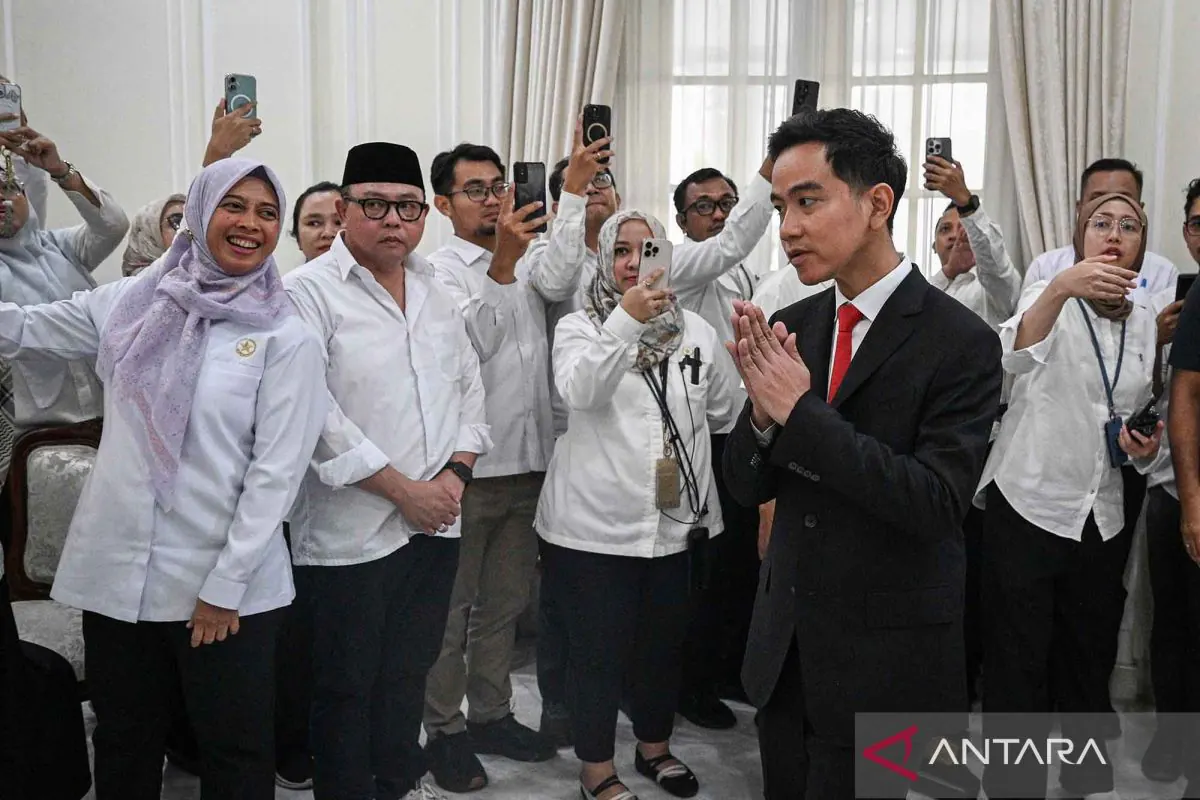
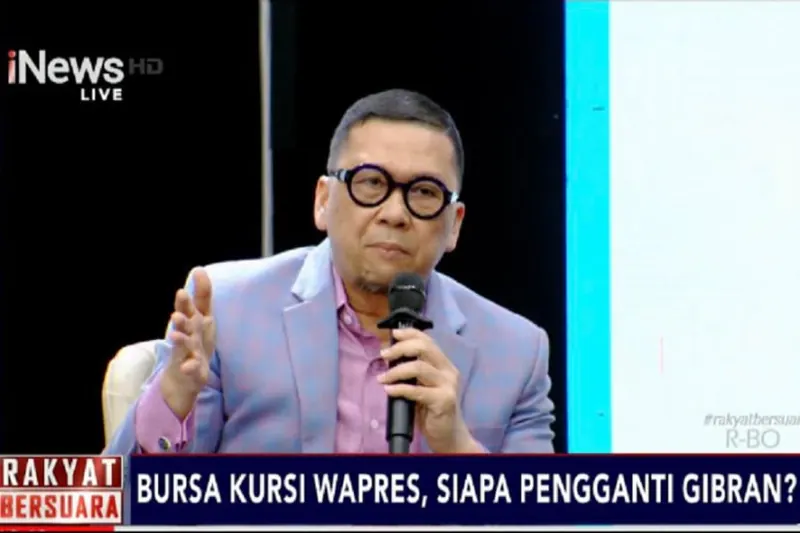
Public attention has turned to the vice-presidential vacancy after Gibran Rakabuming Raka said he had resigned. On Friday afternoon, President Prabowo Subianto invited coalition parties to Istana Bogor in Jawa Barat, while the People's Consultative Assembly (MPR) sent a letter requesting two names for the vice-presidency, according to the state news agency ANTARA.
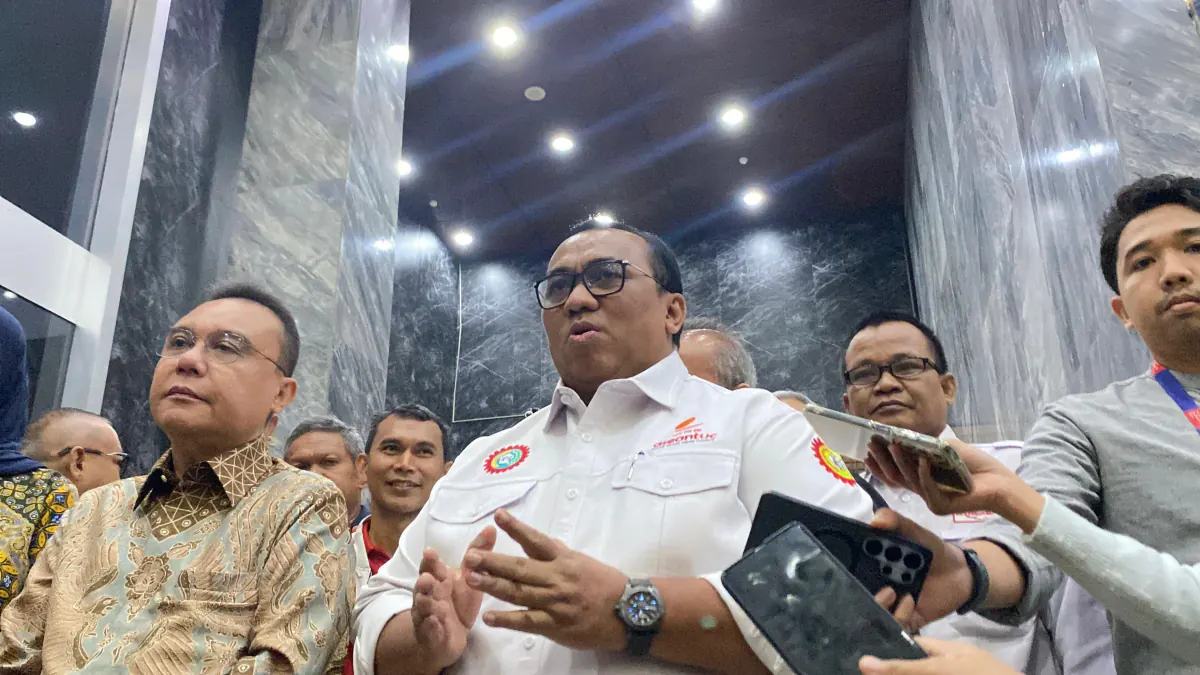
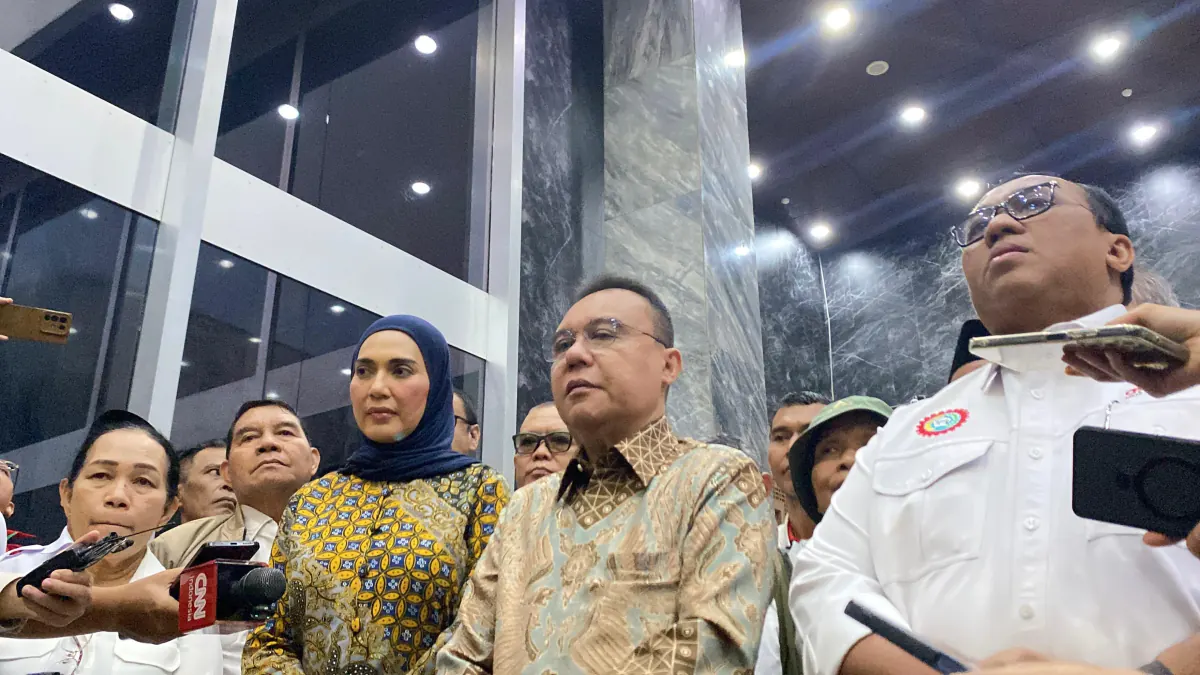
The chairman of Partai Amanat Nasional (PAN), Zulkifli Hasan, confirmed the meeting but did not explain its agenda. The talks came as the vice-presidential post remained vacant, prompting questions about the procedure to fill the office and about coalition management.
According to ANTARA, MPR chairman Ahmad Muzani said the assembly had sent the letter requesting two vice-presidential candidates on Friday. A plenary session to elect a vice president is scheduled for Wednesday, 2 December 2026.
Mechanism for filling the vice presidency
In Indonesia's constitutional system, the vice presidency is not merely an assistant role but part of the executive structure determined by the winning presidential ticket in a general election. When the vice-presidential post is vacant, the state has a special procedure to ensure that executive leadership continues, because the vice president is elected by the people alongside the president rather than appointed as a presidential aide.
The 1945 Constitution provides that a vice president who is permanently unable to serve is replaced through a process involving the president and the MPR. The president proposes two candidates to the MPR, and the assembly selects one during an available session. That rule distinguishes the vice president from ministers, who can be replaced directly by the president. The MPR, whose members are drawn from the House of Representatives (DPR) and the Regional Representative Council (DPD), serves as the constitutional forum for ensuring that the vacancy is filled openly and in accordance with state procedure. Transparency is meant to show that the replacement is made for the national interest rather than for any particular group.
The phrase "berhalangan tetap" needs careful interpretation. In constitutional practice, it can cover situations in which an officeholder no longer performs duties permanently, such as resignation. The distinction matters because it determines whether the applicable mechanism is replacement by the MPR or a temporary arrangement for duties that cannot be carried out for a limited period. The difference between a vacancy and a temporary disruption is relevant to how the government operates.
Coalition parties are also part of the broader context. A president normally relies on parliamentary support built from a coalition of parties that backed the winning election ticket. The meeting with coalition parties can be read as an effort to maintain political understanding before candidate names are submitted to the MPR, although formal decisions remain with the competent state institutions. In a presidential system with multiple parties, such political communication can bridge constitutional requirements and the realities of parliamentary support. The public may judge whether the communication has remained within constitutional bounds.
What the public should watch
For readers in Indonesia, the issue concerns the direction of government. The vice president assists the president, helps coordinate certain policy affairs and forms part of the succession line. When the office is vacant, the public expects the replacement process to follow the constitution rather than become a closed political negotiation. A clear process also signals that filling the vacancy will not prolong uncertainty.
The impact on daily life is not usually direct, but it can affect decision-making speed, coordination among agencies, and budget and program priorities. If the replacement process is prolonged, uncertainty can arise, especially when policy requires strong political communication in parliament. That uncertainty can affect market confidence, business, and state institutions awaiting policy direction.
What to watch is whether the proposed candidate names follow the official mechanism, whether the MPR holds its plenary session openly, and how coalition parties manage differences in support. For the public, the focus is not only on who fills the office, but on whether state procedure is clear and accountable and does not add uncertainty. This oversight matters because the vice presidency is part of the legitimacy of the elected government. The public also needs to see whether explanations to the media are consistent and do not leave room for competing interpretations.
Related coverage: Yusril says Gibran is carrying out vice-presidential duties.
Related coverage: Gibran submits resignation, vice-presidential filling mechanism.
Related coverage: President Prabowo says economic fundamentals remain strong.