Prabowo coalition parties decline to propose vice presidential replacement
Coalition parties supporting President Prabowo Subianto are not proposing a name to replace Vice President Gibran Rakabuming Raka and have left the nomination process to the president.
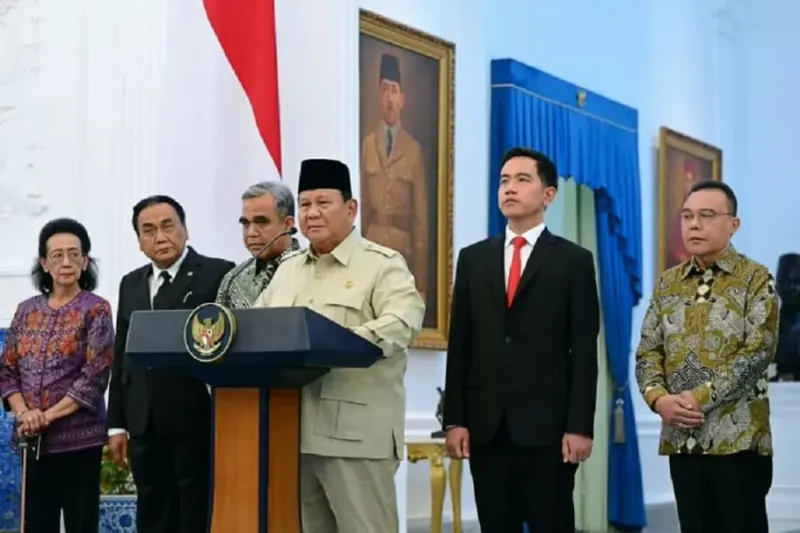
Political parties in the Koalisi Indonesia Maju, the coalition supporting President Prabowo Subianto, have united in not proposing a vice presidential candidate to replace Gibran Rakabuming Raka after the president gave them one week, SINDOnews reported on Saturday, 14 November 2026.
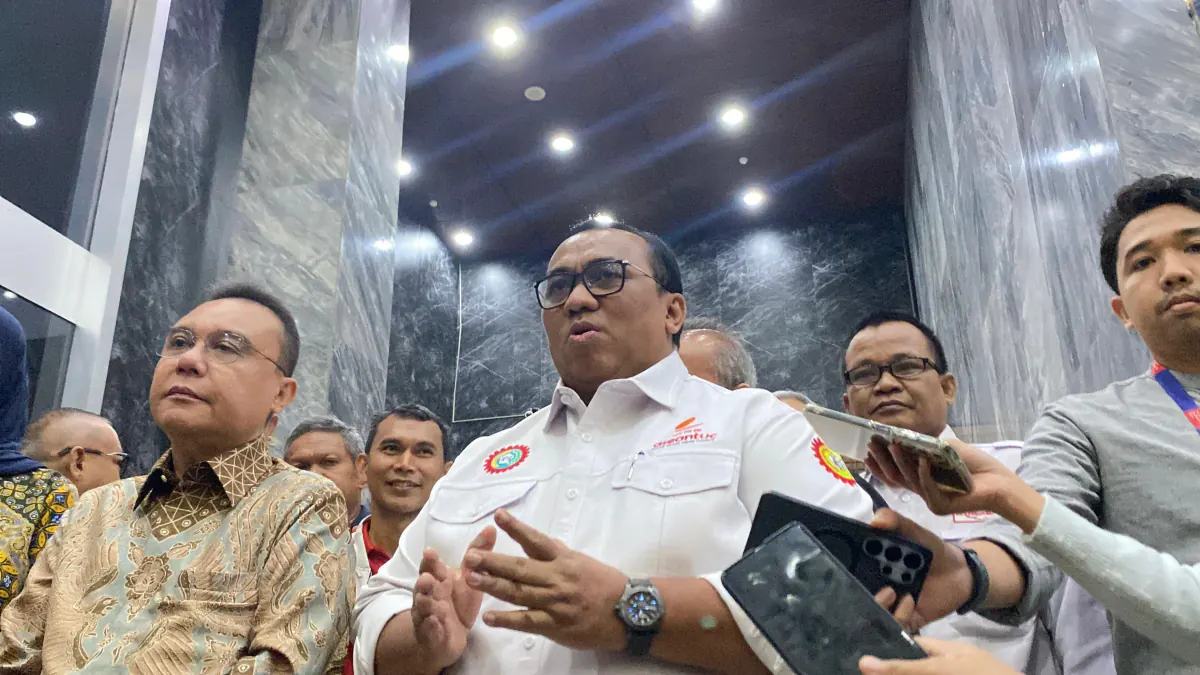
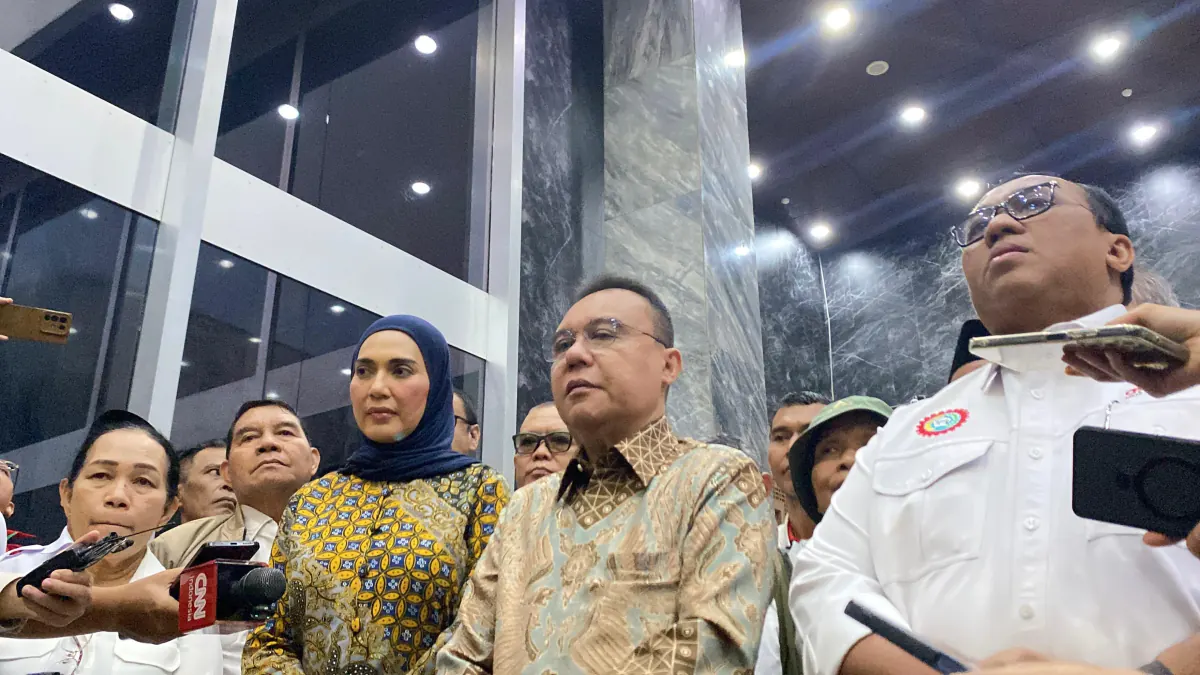
Several parties supporting the government said the process of proposing candidates had been left entirely to Prabowo, in line with constitutional rules. Democratic Party Chair Agus Harimurti Yudhoyono affirmed that his party would not submit a name to fill the vice presidency.
According to SINDOnews, Agus, also known as AHY, made the remarks at the Auditorium Yudhoyono at the Democratic Party's central executive board (DPP) headquarters in Jakarta after consulting with Susilo Bambang Yudhoyono, chair of the party's high council. He said proposing candidate names was the president's authority, while the People's Consultative Assembly (MPR) would choose one of two names submitted.
Golkar politician Melchias Markus Mekeng said his party had left the process of proposing two vice presidential candidates to Prabowo. He said the candidates did not have to come from coalition parties because the president could choose professional figures or politicians.
The legal basis is Article 8, paragraph (2), of the 1945 Constitution and Article 46 of the Law on the People's Consultative Assembly, House of Representatives, Regional Representative Council and Regional People's Representative Councils, known as the MD3 Law, which require the president to propose two names to MPR leadership.
Mechanism for filling the vice presidency
In Indonesia's constitutional system, a vacancy in the vice presidency is not merely a personal matter but a constitutional issue with procedures set out in detail. The constitution divides the process into two stages: the president submits candidates, then the MPR chooses one of the names proposed. That division means the second-highest office cannot be filled unilaterally by the executive. The process differs fundamentally from the appointment of ministers: ministers are appointed by the president, while the vice president must go through an election mechanism at a state institution.
The MPR plays a central role because the election is held in a plenary session. The assembly comprises members of the House of Representatives (DPR) and the Regional Representative Council (DPD), so the outcome depends not only on the strength of the government coalition in the parliament complex in Senayan but also on dynamics among regional representatives. Lobbying among parliamentary factions and regional groups often takes place before the session, not only inside the plenary chamber.
The term 'two names' should be understood carefully. Proposing two candidates does not mean the president has already chosen the winner. The two names are options to be tested in the MPR session. For that reason, parties that leave the proposal process to the president can be seen as respecting executive authority while keeping a distance from negotiations over the election. The MD3 Law regulates candidate documentation and the session schedule, so each candidate must meet administrative requirements before entering the highest electoral forum.
Politically, the vice presidency is often a bargaining space among parties. The office can be used to maintain coalition balance, accommodate regional groups, or include a professional figure considered capable of carrying out the duties of assisting the president. But when parties choose not to propose a name, the signal is usually an attempt to avoid internal friction, maintain coalition solidarity, or let the president choose a candidate considered politically safest. That stance can also shift the burden of decision to the president, who must consider electability, loyalty and working capacity.
Impact on coalition stability
For Indonesian readers, the process of filling the vice presidency affects government stability because the office is part of power succession. A presidential decision to choose a figure from inside or outside the coalition could change the map of political support in parliament. If a candidate is seen as not representing the balance of power, relations between the executive and legislature could become more fragile. The impact would also be felt in policymaking because the vice president often coordinates programs across ministries.
What needs attention is the next stage: proposing names, checking completeness and the election in the MPR. The public can trace whether candidates come from parties, professional backgrounds or regional figures. The direction of the president's choice will also signal government priorities, such as coalition consolidation, bureaucratic efficiency or political communication with the regions.
Meanwhile, parties' refusal to propose names can be read as a way to hold back from triggering open competition. In the short term, this keeps the coalition atmosphere calm. In the long term, the process in the MPR will determine whether the vice presidency truly becomes a tool for consolidation or opens space for new political tension.
Related coverage reported that the MPR has scheduled the election of Gibran's vice presidential replacement for 2 December 2026, that Roy Suryo has requested a forensic examination of Jokowi's diploma at the East Jakarta District Court, and that Denny said Prabowo's polite stance was not permission for Gibran to stay.