Police Raid Sebesi Island, Find Methamphetamine Pipe and Clip Bags
The narcotics unit of the South Lampung Police Resort (Polres) raided Tejang village on Sebesi Island after residents reported suspected drug distribution and abuse, but found only a methamphetamine pipe and clip bags, with no narcotics evidence.
The narcotics investigation unit of the South Lampung Police Resort (Polres Lampung Selatan), the district-level police command, raided Tejang village on Sebesi Island in Rajabasa subdistrict after residents reported suspected narcotics distribution and abuse, TVRI News, Indonesia's public broadcaster, reported.
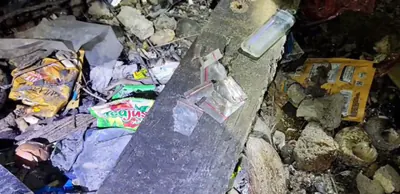
Police did not find narcotics evidence in the operation. Officers secured only a methamphetamine pipe, known locally as a pirek, and dozens of clip bags tucked in a bamboo lattice wall and a trash bin. The bags were suspected to be packaging from small, low-cost methamphetamine packets.
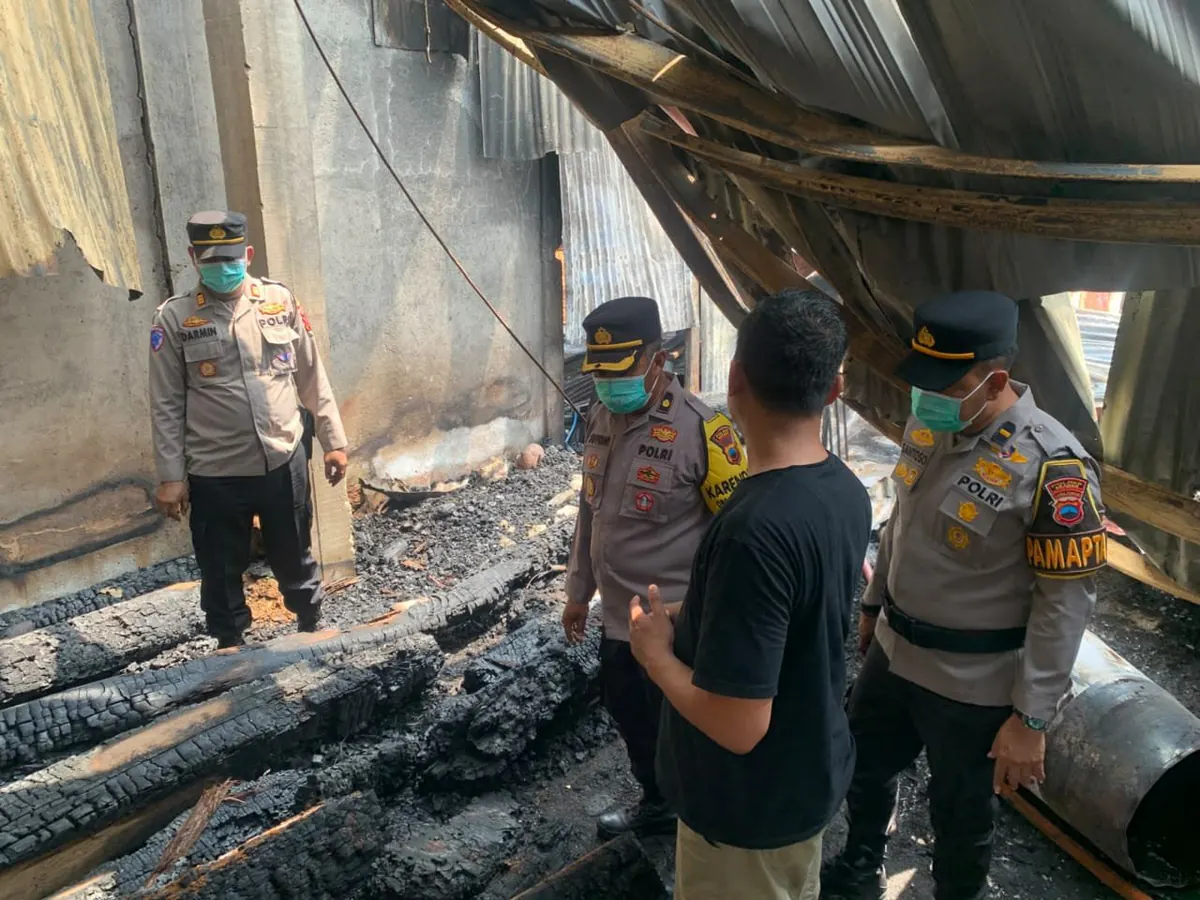
The raid, described as the first in the area, involved 35 joint personnel. Officers swept house to house and broke down several doors because occupants were deemed uncooperative, TVRI News reported.
First Inspector (IPTU) Rosali, head of the narcotics unit, said police already had several names of people suspected of involvement and urged them to surrender. He also said there were indications that Sebesi Island was being used as a narcotics transit point.
Small Island and Transit Route Risks
Sebesi Island lies in South Lampung Regency, an area facing the Sunda Strait. Geographically, small islands along this sea route can easily become stopping points because access is limited, oversight is not always uniform, and movement of residents and visitors depends on sea transport. Maritime and land supervision in areas like this are linked, because entry points are often small ports and beaches that are not always monitored. Geographic isolation can also make residents rely on information from authorities to report suspicious activity. Conditions like this often lead authorities to focus on locations considered vulnerable to illicit trafficking, including narcotics.
Terms used in the case need careful understanding. A pirek is a pipe commonly associated with methamphetamine use, while clip bags can be packaging for small packets. But neither is narcotics evidence itself. In investigative practice, findings like these can be an initial clue, but a person's legal status must still be built through lawful evidence and examination.
The presumption of innocence becomes important when reports name people suspected of involvement. As long as there is no suspect status based on evidence, or a final and binding court verdict, a person must not be treated as already guilty. Searches, seizure of tools and collection of statements are part of an inquiry or investigation, not a verdict. Under criminal procedure, witness, suspect, defendant and convicted person have different meanings. A witness gives testimony, a suspect is a person believed to be involved based on at least two pieces of evidence, a defendant has been charged in court, and a convicted person has been found guilty by a final and binding verdict. Those differences determine a person's rights, reporting boundaries and what may be stated publicly. Without caution, incorrect terms can damage reputations and cause social conflict.
For areas that rely on tourism, operations like this are also read by the public as a signal that authorities want to protect a destination's reputation. But success is measured not only by the number of personnel deployed, but by clarity of findings, procedural accuracy and the ability to distinguish suspicion, clues and evidence.
What It Means for Tourists and Island Residents
For Indonesian readers, the raid on Sebesi Island is most felt in the sense of security while traveling and in the destination's image. An island known as a marine tourism spot needs to protect its reputation as a place that is not used for drug transactions or drug use. If that perception emerges, tourists may delay visits because of security concerns, lodging operators and sea transport providers can be affected, and residents lose economic space that depends on visitors.
The relevance also lies in reporting habits. Residents' reports can open the door to operations, but residents need to understand that suspicion must be proven through legal process. Information circulating should therefore not be used immediately to judge neighbors, tour guides or homeowners. What should be watched next is whether the investigation produces narcotics evidence, whether the named people have clear legal status, and whether supervision at ports and settlements is routine.
From a health perspective, the finding of a pipe and clip bags remains a warning that substance abuse can occur in tourist areas. The impact is not directly on prices or wages, but on public safety: risks of addiction, violence and stigma against residents. Local government, tourism managers, authorities and residents need to ensure prevention is carried out without making communities feel haunted by sudden raids.