Party leaders arrive at Bogor Palace ahead of meeting with Prabowo
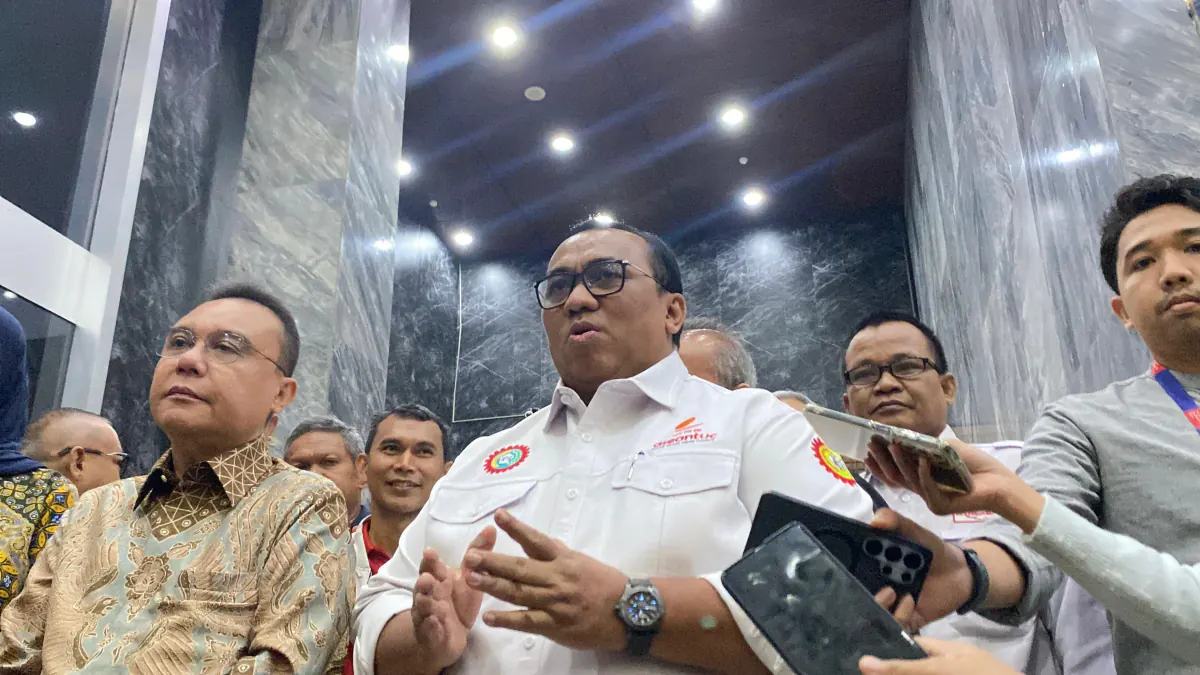
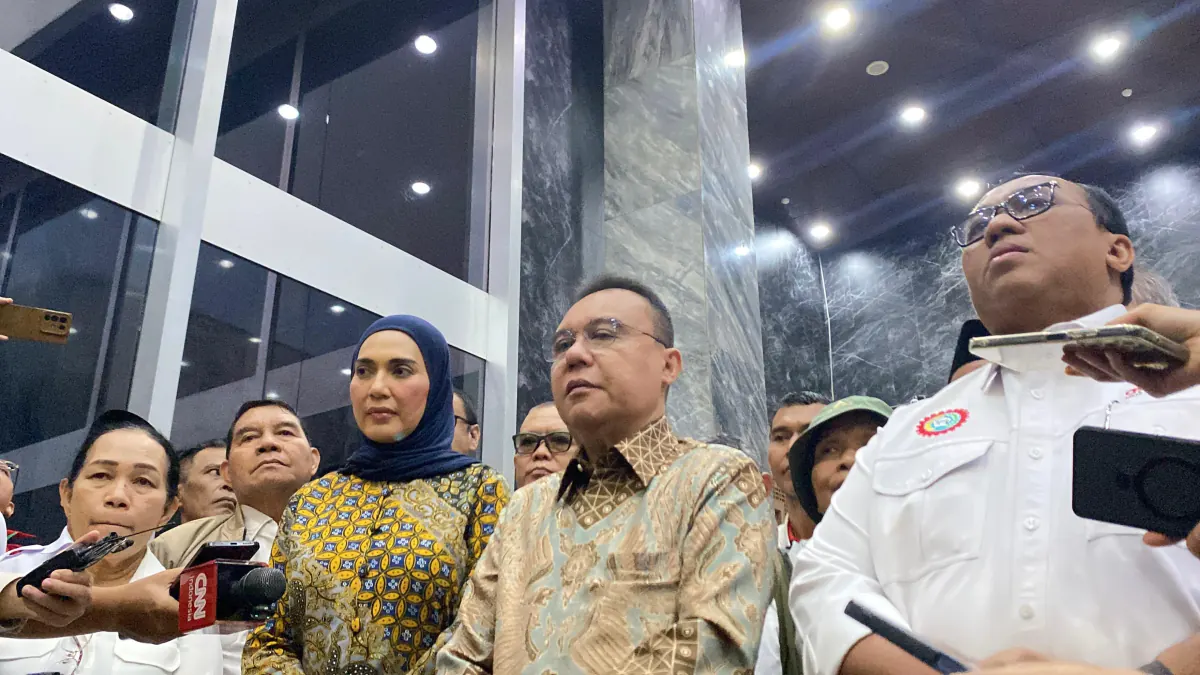
Political party leaders arrive at Bogor Palace for a meeting with President Prabowo Subianto to discuss filling the vacant vice-presidential seat.
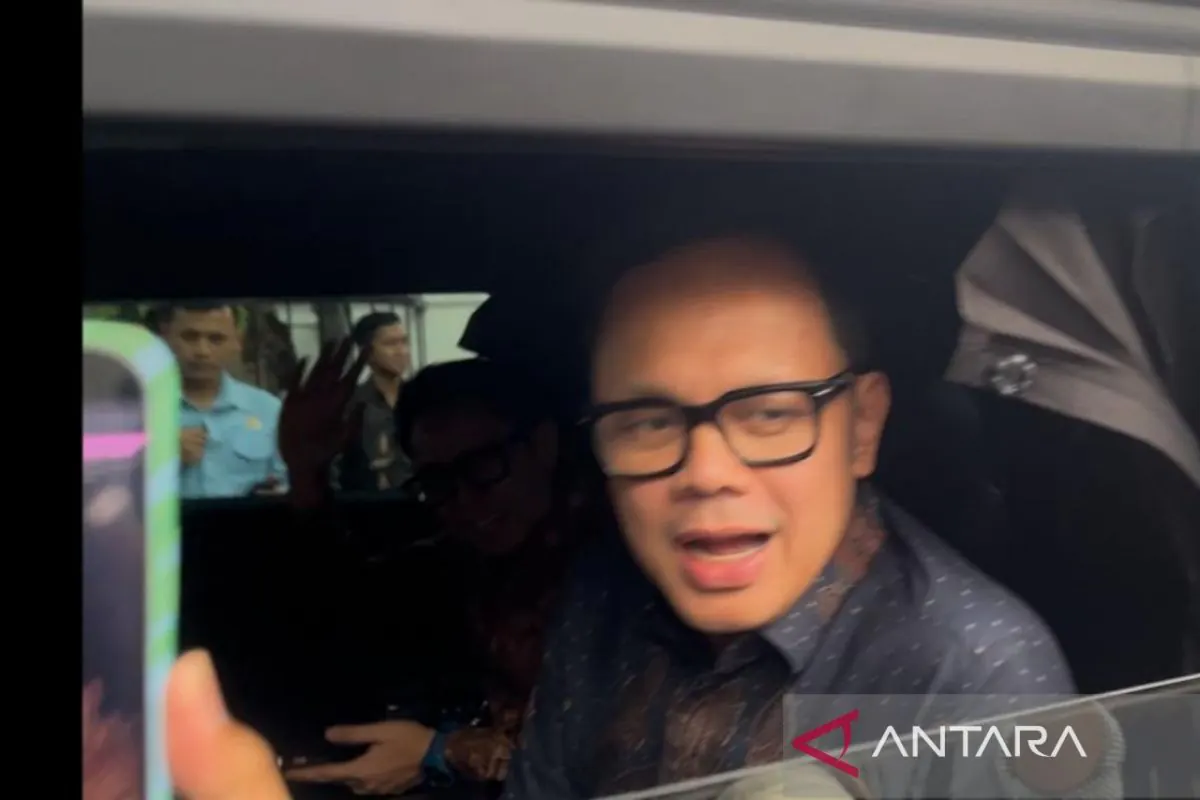
Several political party leaders arrived at Bogor Palace in West Java on Friday for a meeting with President Prabowo Subianto, as reported by the state-run ANTARA news agency.
According to ANTARA's observation, Bima Arya Sugiarto, chairman of the central executive board of the National Mandate Party (PAN), arrived at about 16:15 WIB (Western Indonesian Time) with PAN secretary-general Eko Hendro Purnomo. Bima said he was there to accompany PAN chair Zulkifli Hasan. “Mendampingi Bang Zul,” he said.
Deputy chairman of the Great Indonesia Movement Party (Gerindra), Fadli Zon, was also seen at the palace. Several ministerial vehicles from the Merah Putih (Red and White) Cabinet entered the palace grounds, including those with the government plate codes RI 5, RI 14, RI 26 and RI 27. The convoy carrying the presidential Maung Garuda vehicle, plate RI 1, arrived around 14:00 WIB.
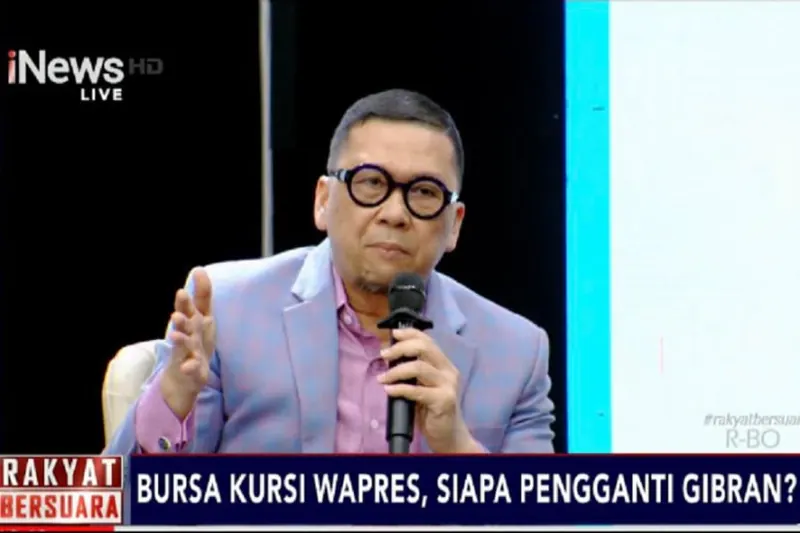
Earlier, Gerindra deputy chairman Habiburokhman confirmed that Prabowo was gathering party chairpersons to discuss filling the vice-presidential seat, which became vacant after Gibran Rakabuming Raka ceased to hold the office. He said the People's Consultative Assembly (MPR) would request two vice-presidential candidate names within a maximum of 14 days.
The MPR will form a 36-member verification team to prepare for its Plenary Session.
The political procedure behind the vice-presidential seat
In Indonesia, a vacant vice-presidential office cannot be filled by a sole appointment by the president. Under the presidential system, the president and vice president are elected together by the people. Therefore, when the vice-presidential seat becomes vacant before the term ends, the constitution provides a special route through the highest representative body.
The 1945 Constitution generally stipulates that the president submits two vice-presidential candidates to the MPR, which then chooses one of them. This mechanism makes political parties important because candidates usually emerge from elite-level communication. The meeting at Bogor Palace, attended by party leaders and state officials, is part of that political process: the government and supporting parties need to align their steps before names are formally sent to the MPR.
At this stage, the terms “MPR Joint Meeting” and “MPR Plenary Session” should be understood separately. A Joint Meeting is usually an internal forum for discussing mechanisms, schedules and the readiness of the assembly's instruments. The Plenary Session is the MPR's highest decision-making forum, including the election of a vice president. A verification team is used to ensure candidates meet requirements before they are brought to the larger forum. These steps therefore differ from ordinary political lobbying, because the final outcome must pass through a constitutional forum.
Bogor Palace as the meeting venue is also a political signal. A presidential palace is not only an administrative office but also a symbolic space where the president receives state officials, regional representatives and party elites. When state officials and party elites gather at one location, the public can interpret the agenda as not routine but a constitutional issue requiring coordination across institutions. The public usually awaits an official statement after the meeting, because without it a political agenda can easily be interpreted differently.
Implications for government policy stability
For Indonesian readers, the process matters because the vice president is not a ceremonial position. At the government level, the vice president helps maintain coordination among ministers, especially when the president is abroad or has a packed schedule. The vice president also shapes policy coordination, particularly when the president needs political support in parliament and the regions. If the seat remains vacant for too long, delegated duties, communication with state institutions and national agendas can be disrupted. Certainty over the filling schedule therefore becomes a measure of whether the government remains stable.
There are also consequences for the political and economic climate. Closed-door meetings among party elites often generate speculation. In the short term, such speculation can affect market perceptions, investor confidence and the atmosphere within the bureaucracy. In the long term, a transparent and constitutionally compliant process helps the public judge whether the appointment is made for the sake of governance or merely to distribute political positions.
What needs to be watched next is clarity on the two candidate names, the MPR's readiness, and consistency between the palace schedule and the Plenary Session agenda. The public has the right to know that constitutional mechanisms are being followed, not only closed-room negotiations. As long as the process is open and accountable, replacing the vice president can show that Indonesia's presidential system can resolve a vacancy without sacrificing stability. In that way, society can not only watch political drama but also help safeguard the procedure.
Related news
- Prabowo mentions wiretapping at NasDem's 15th anniversary in Jakarta
- President Prabowo says economic fundamentals remain strong
- Prabowo asks public not to feel inferior to Singapore's education