Padang mayor urges SMAN 6 alumni to strengthen MSMEs and UNESCO gastronomy bid
Padang Mayor Fadly Amran has called on Kasmansix, the alumni association of State Senior High School 6 Padang, to strengthen micro, small and medium enterprises and support the city's bid for UNESCO Creative Cities Network recognition in gastronomy.
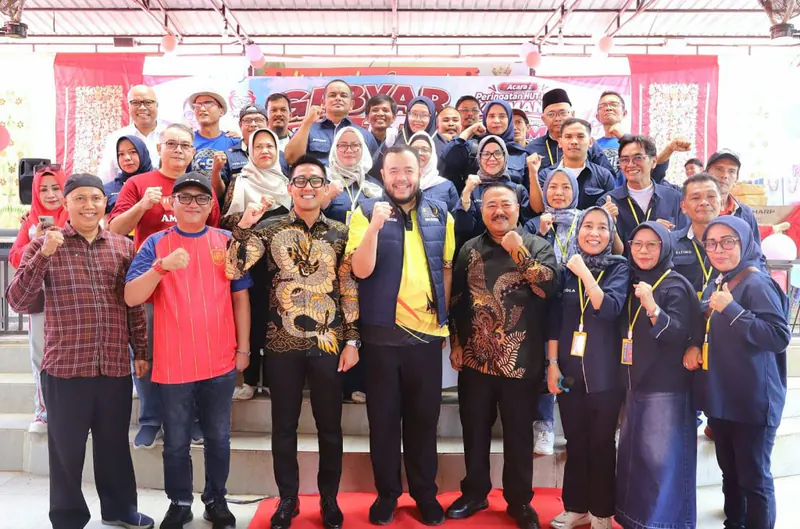
Padang Mayor Fadly Amran has called on the Ikatan Keluarga Alumni SMA Negeri 6 Padang, or Kasmansix, the alumni association of State Senior High School 6 Padang, to help develop micro, small and medium enterprises (MSMEs) and support the city's preparation for recognition as a global gastronomy city. He made the appeal during the Gebyar HUT ke-15 Kasmansix event at the Medan Nan Bapaneh field of SMAN 6 Padang on Sunday, 15 November 2026.
According to a report by InfoPublik, the government's public information portal, Fadly delivered the appeal while attending the 15th anniversary of the alumni organization, which was founded in 2011. He said alumni were not simply a group bound by school memories, but a network that could pool ideas, relationships and resources for regional development.
Fadly said MSMEs offered an entry point close to everyday life. He said alumni could broaden markets, connect business operators and stimulate the local economy.
He also urged Kasmansix to take part in Padang's preparation as Indonesia's candidate for the UNESCO Creative Cities Network in the gastronomy category. For Fadly, the agenda is not only about signature dishes but also the city's cleanliness and appearance. Kasmansix chairperson Rachmad Wijaya welcomed the mayor's attendance and the gathering of alumni from different graduating classes.
The role of alumni networks in the regional economy
Alumni organizations in Indonesia generally grow from school bonds that begin as social ties and later develop into professional networks. In many communities, alumni have access to fields such as bureaucracy, business, education, health and media. When those networks are directed toward local programs, alumni can act as connectors of knowledge, markets and trust. This model is often used for social service activities, entrepreneurship training, mentoring for small businesses and promotion of local potential.
MSMEs are a relevant meeting point because they are numerous, flexible and close to daily consumption. Micro enterprises, however, usually face familiar obstacles: limited capital, marketing, packaging, quality standards and digital access. Alumni networks can help through mentoring, cooperation among businesses and access to wider buyers. That contribution is not a substitute for government policy, but a complement based on relationships and trust.
The UNESCO Creative Cities Network, or UCCN, is a program that recognizes cities with creative strengths in fields such as gastronomy, crafts, design, film, literature, media and music. The assessment looks beyond the popularity of food to the ecosystem behind it: local raw materials, heritage recipes, the role of communities, sustainability and the city's ability to maintain decent public spaces. The idea of a gastronomy city therefore intersects with cleanliness, governance and citizen participation.
At the regional level, inviting community groups to support large agendas is common. City governments need social partners because tourism, culinary and environmental programs cannot be carried out solely by government departments. Alumni associations, karang taruna neighborhood youth organizations, kelompok usaha bersama joint business groups and religious communities often provide more flexible channels of communication. Their strength lies in the ability to mobilize people who already share a sense of belonging to the same place.
Impact on MSME operators and Padang residents
For readers in Padang and its surroundings, the appeal touches matters close to daily life: culinary business opportunities, environmental cleanliness and the city's attractiveness. If the alumni network becomes active, MSME operators could gain wider market access through collective promotion, training or referrals among residents. For consumers, the impact could be neater and easier-to-find local products. However, prices are not guaranteed to fall; rising demand can push some seasonal food ingredients higher.
For residents, the gastronomy city agenda requires more orderly habits: managing waste, keeping warungs, or small shops and stalls, and sidewalks clean and ensuring a comfortable experience for visitors. This matters because culinary tourism depends heavily on perceptions of cleanliness. For readers in other regions, the same pattern applies: international recognition is not merely a label but a long process involving communities, business operators and government.
What needs to be watched is whether the appeal develops into measurable work programs. Without data on alumni businesses, training and cooperation mechanisms, ceremonial activities may remain only appeals. Conversely, if the alumni network is used to connect policymakers with small business operators, the benefits for the local economy could be more tangible.
Related news
- Semarang mayor strengthens fire prevention at Jatibarang landfill
- Semarang mayor targets city as Central Java coffee business hub
- Riau provincial government strengthens equitable health services on 62nd National Health Day (HKN)