Jember police join residents in cleanup after tornado damages at least 267 homes
Jember police, TNI and residents help recover after a tornado damaged at least 267 homes in Ledokombo, Jember.

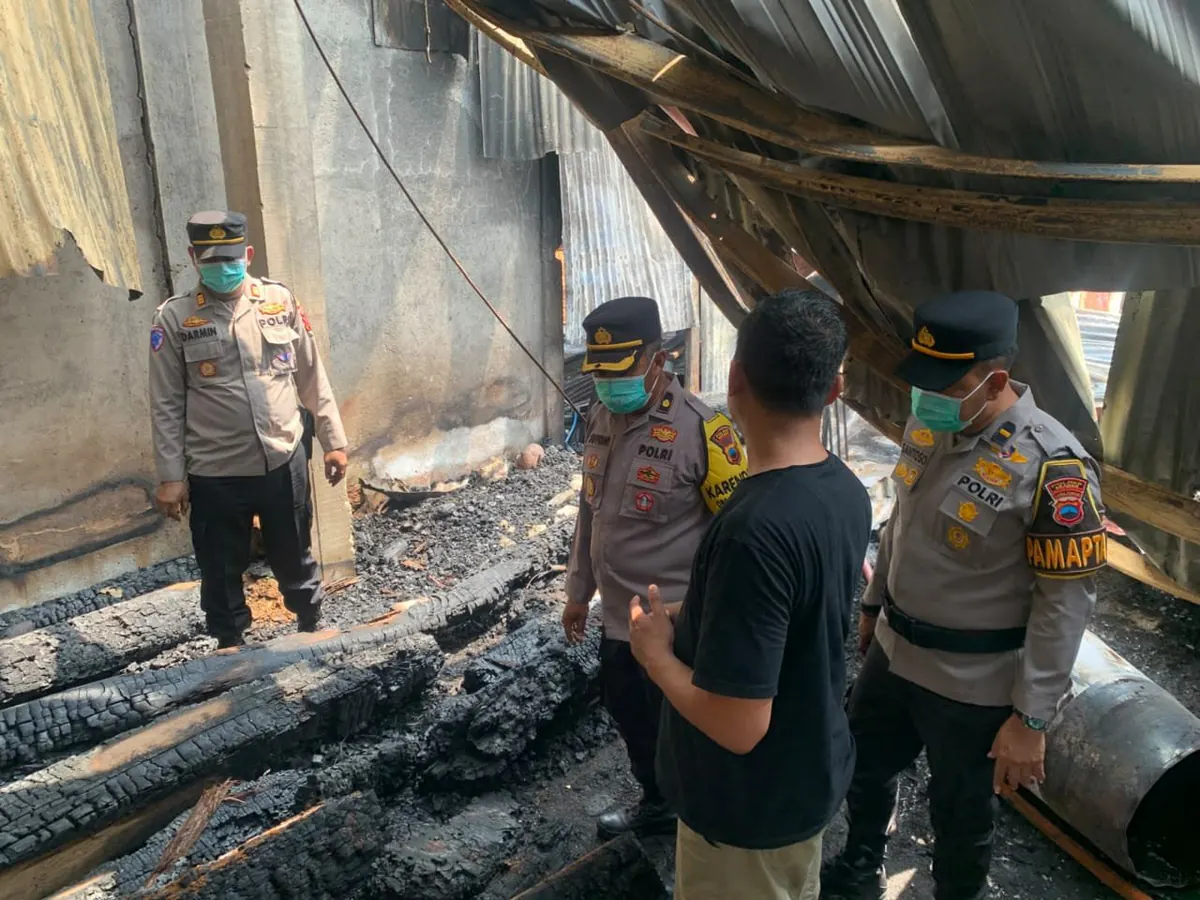
Jember police headquarters (Polres Jember), Indonesian National Armed Forces (TNI) personnel and residents held a mass community cleanup on Monday, 10 November 2026, to help post-disaster recovery after a tornado damaged homes in Paluombo hamlet, Sumber Salak village, Ledokombo district, Jember Regency, as reported by TVRI News.
The disaster on Sunday, 8 November 2026, damaged at least 267 homes and several public facilities, and cut off road access because trees and bamboo fell. Jember police chief AKBP Alaiddin led the activity alongside the commander of the Ksatria Bura/545 TP Battalion, Lieutenant Colonel Infantry Ronald Setiyono Biet, and Jember deputy police chief Kompol Anthonio Effan Sulaiman.
Joint personnel cleared debris, reopened roads, set up an emergency post and repaired roofs. Polres Jember also distributed hundreds of basic necessity packages and provided free health services through its medical team (Tim Dokkes) with Jember Klinik Hospital.
“We are here to help, strengthen and together accelerate the recovery,” Alaiddin said.
What puting beliung is in Indonesia
Puting beliung, a type of tornado, is known as a hydrometeorological disaster that appears suddenly and lasts briefly. In disaster management, the term is used for local strong winds that form a small vortex, usually during the rainy season or the transition between seasons. Because its duration is short, early warnings for residents are often limited; the most noticeable effect is sudden damage to roofs, trees, power lines and light structures.
Areas such as Jember, with many rural settlements and districts, are vulnerable to this type of disaster. Many village homes use zinc, wood or tile roofs that can be lifted by strong winds. Large trees and bamboo along village roads can also fall at the same time, cutting access between hamlets. That makes rapid response important, especially to open roads and ensure victims are not stranded in hard-to-reach locations.
In disaster management in Indonesia, the roles of police and TNI do not stop at security. Both are often involved in community cleanup, evacuation, setting up posts and aid distribution. Cross-sector coordination like this is part of a disaster management system based on gotong royong, or mutual cooperation. However, the success of recovery usually depends on damage data, available personnel, equipment and basic services such as clean water, health care and logistics.
In the national disaster context, local governments usually coordinate the disaster management agency, social affairs office, health office and volunteers. The role of local businesses is also important because they are close to residents and can help with logistics. But that coordination needs clear communication so aid does not pile up at one point and vulnerable groups, such as the elderly, toddlers and families with severely damaged homes, receive more attention.
What recovery means for residents
For affected residents, a joint cleanup like the one in Ledokombo has a very practical meaning. Homes with damaged roofs cannot be safely inhabited, especially during rain. Village roads blocked by fallen trees hinder children going to school, residents going to work and deliveries of basic goods. In addition, restoring road access can affect prices and the availability of goods in villages, although the impact needs to be monitored over time. Therefore, clearing debris, opening access and repairing roofs are the first priorities before other aid arrives.
Free health services are also relevant in the post-disaster phase. After strong winds, residents are at risk of injuries from debris, exhaustion, breathing problems caused by dust and other illnesses when the environment is not yet clean. Emergency posts and health checks help prevent minor problems from becoming more serious. The presence of volunteers and health workers at the site also makes it easier for residents reluctant to leave their homes to get examined. The distribution of basic necessity packages, mineral water, needs for toddlers and bathing supplies helps maintain the resilience of families who have lost part of their property or cannot work temporarily.
For readers in the regions, this case is a reminder that preparedness cannot rely on a single agency. Residents need to recognize early signs of strong winds, prepare simple evacuation routes, check the condition of roofs and trees around their homes, and follow official information from local governments. Meanwhile, medium-term recovery demands accurate data so aid is targeted and home repairs are done according to residents' ability and safety standards. If synergy between authorities, local businesses and the community is maintained, the burden on residents can ease more quickly and village economic activity can resume.