Indonesian National Police Reviews Ferry Readiness for Banyuwangi-Bali Crossing Ahead of Christmas and New Year
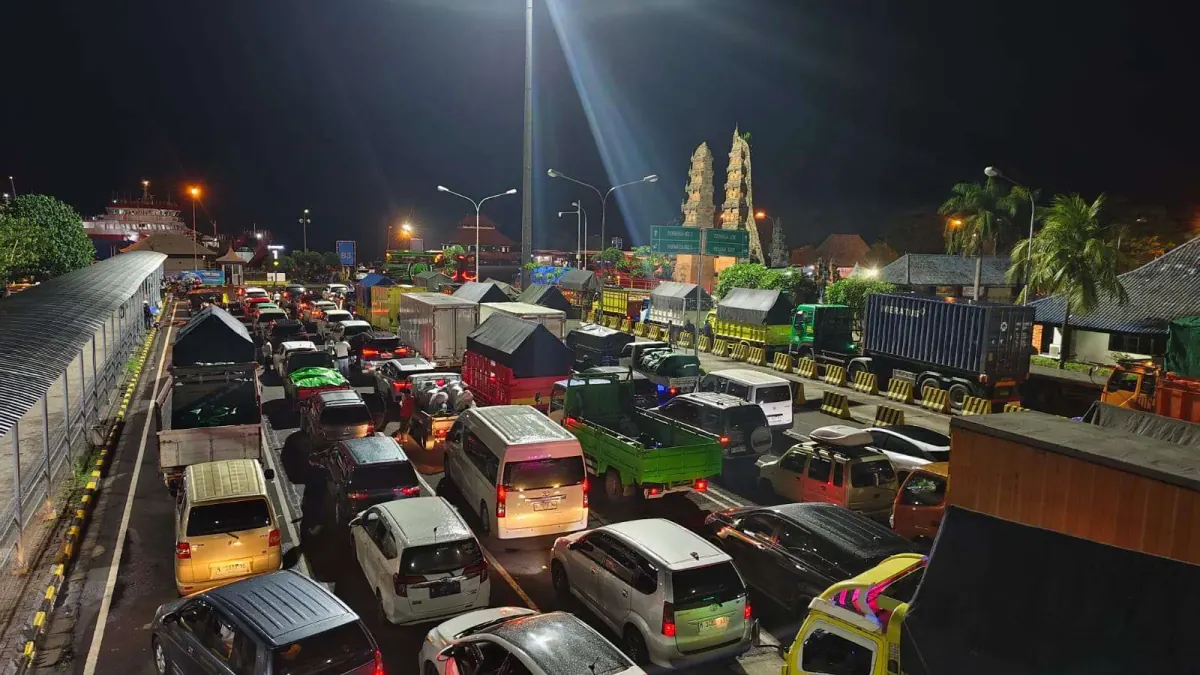
Indonesian National Police and stakeholders inspected Ketapang Port to prepare a tactical command post and manage vehicle flow for the Christmas and New Year ferry crossing between Banyuwangi and Bali.
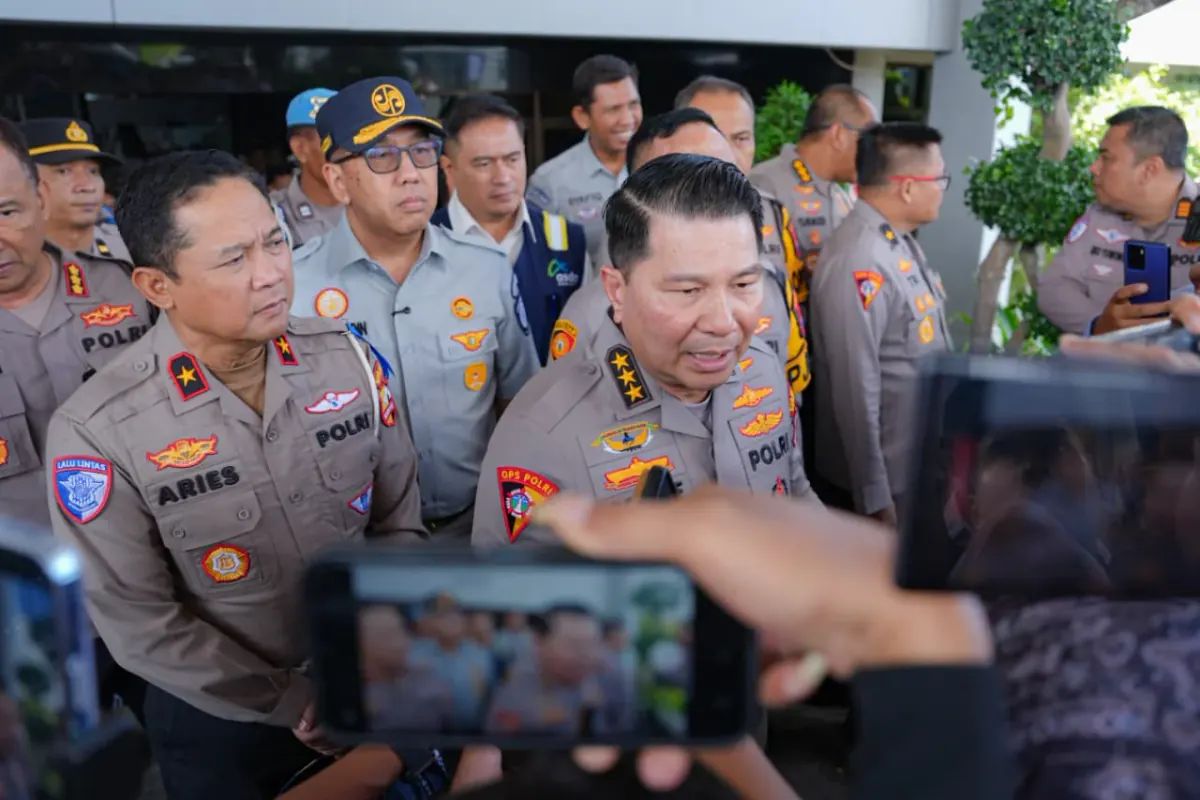
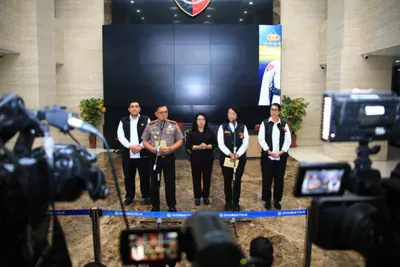
The Indonesian National Police and relevant stakeholders inspected Ketapang Port in Banyuwangi to assess readiness for the 2026 Christmas and 2027 New Year ferry rush, known as Nataru, according to a report by state radio RRI (Radio Republik Indonesia). A coordination meeting on Saturday, 21 November 2026, agreed to establish a tactical command post, or Pos Komando Taktis (Poskotis), as an integrated control center for security and services on the Banyuwangi-Bali crossing.
Inspector General Roycke Harry Langie, chief assistant for operations of the Indonesian National Police, said stronger cross-sector coordination was needed to keep the integrated control system running throughout the holiday period. The command post will bring together weather information, ferry schedules, dock capacity and vehicle movements heading to the port.
Brigadier General Aries Syahbudin, head of the Indonesian National Police Traffic Corps, said vehicle management at a port could not be treated like toll-road management because ferry and dock capacity are the main constraints. Vehicles will therefore be directed in stages through port time, the Tiba Bongkar Berangkat (Arrive, Unload, Depart) system, buffer zones and a delaying system.
The meeting was also attended by East Java police chief Inspector General Dekananto Eko Purwono; President Director of state-owned insurance company PT Jasa Raharja Muhammad Awaludin; head of operations at the Traffic Corps, Senior Superintendent Turmudi; General Manager of the Ketapang branch of state ferry operator ASDP (PT Angkutan Sungai, Danau dan Penyeberangan) Syahrianto Heriawan; Banyuwangi police chief Senior Superintendent Muharman Arta; and the head of the Class III Tanjung Wangi office of the Harbor Master and Port Authority (KSOP), Marine Colonel Amrul Adriansyah.
Role of Ketapang in Java-Bali mobility
The Ketapang-Gilimanuk route is one of the main gateways for people and goods moving between Java and Bali. Readiness at the port on the Banyuwangi side therefore affects not only passenger comfort but also the distribution of basic necessities, fuel and consumer goods entering Bali.
Christmas and New Year usually increase trips by families, tourists and seasonal workers. A sharp rise in traffic in a short time can lengthen vehicle queues around the port if ferry schedules, dock capacity and road capacity are not synchronized. The command post agreed by multiple agencies is intended to serve as a shared space to monitor those conditions directly.
Port management differs from toll-road management. On a toll road, lane capacity can be adjusted through speed limits or traffic engineering. At a port, vehicles can enter the loading and unloading area only after a ferry and a dock are available. Port time refers to scheduling vehicle arrivals to prevent congestion at the port gate. The Tiba Bongkar Berangkat system stresses the order of ferry operations so that berthing, unloading, loading and departure proceed in an orderly manner.
Buffer zones and the delaying system are holding areas outside the port. They are used to hold or release vehicles gradually when dock capacity is insufficient. The mechanism is meant to prevent total gridlock on roads leading to the port, but it requires fast and consistent information between holding points. Without the same information, vehicles may move from a rest area toward the port and then be stopped again at the next point.
Weather is also a key factor in the Bali Strait. Strong winds, high waves or heavy rain can slow ferry maneuvers and disrupt schedules. In such situations, coordination among ferry operators, the harbor master, police and field officers determines whether trips are diverted, delayed or directed to safer waiting points.
Impact on passengers and Bali logistics
For people planning to cross during the Nataru holiday period, the command post readiness and vehicle scheduling mean less uncertain waiting time. Passengers can receive earlier information about queues, schedule changes or changes to waiting points. For private vehicle drivers, holding mechanisms outside the port can prevent vehicles from being stuck for too long on the approach to the gate.
The effects are also felt in goods prices in Bali. If the flow of logistics trucks is disrupted, supplies of food and basic necessities can come under pressure, especially on peak days. Conversely, more orderly loading and unloading schedules help maintain the rhythm of distribution without needing to increase ferry capacity immediately.
What the public should note is that ferry management is not only a police matter. Ferry operators, the harbor master, police and field officers must follow official information. Passengers should arrive according to schedule, avoid traveling in bad weather and not force their way into the port area before receiving instructions from officers. Discipline in following those directions is part of collective safety and congestion prevention. Users also need to prepare fuel, electronic money and travel essentials.
Related news
Coordinating Minister for Political, Legal and Security Affairs Urges Indonesian National Police to Be Closer to the People and Guard Presidential Priority Programs
President Prabowo Arrives in Jakarta After ASEAN and APEC Summits
State Defense Law Revision Targeted for Completion in Early 2027