Indonesian Customs Seizes 1.7 Tonnes of Drugs in PATMA BERANI 2026 Operation
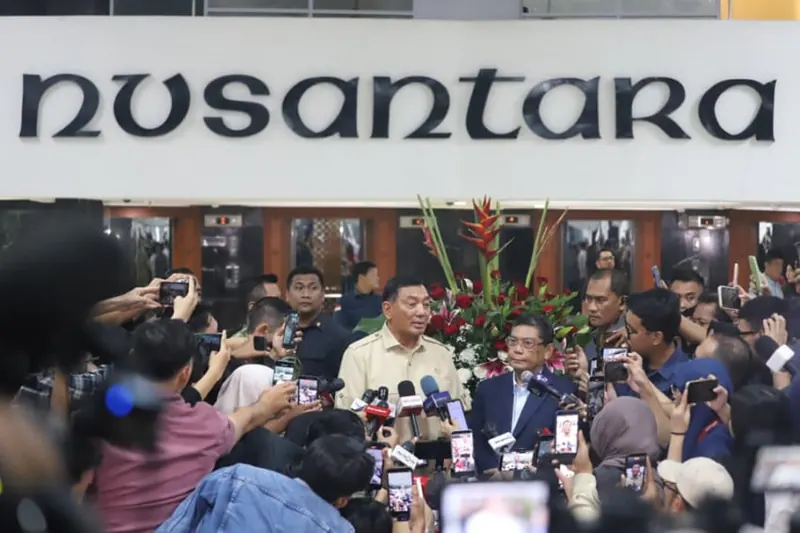
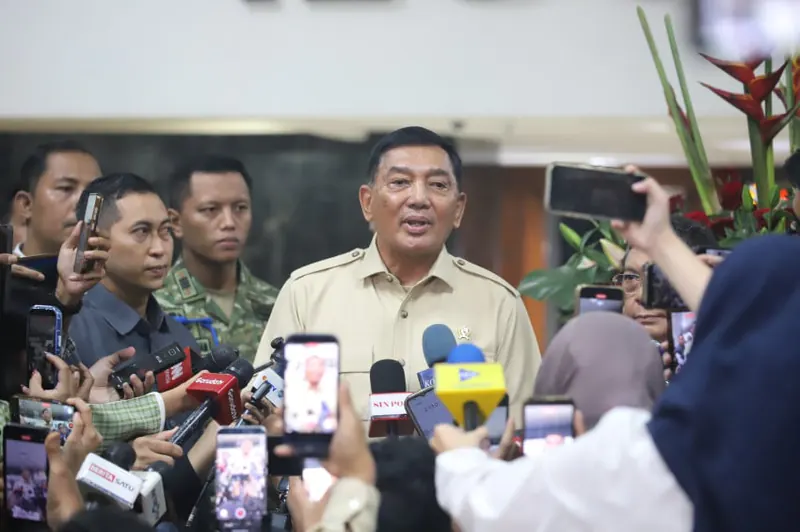
Indonesian Customs says the PATMA BERANI 2026 joint patrol operation uncovered 140 cases of illegal trafficking in narcotics, psychotropic substances and precursors, seizing about 1.7 tonnes of drugs.
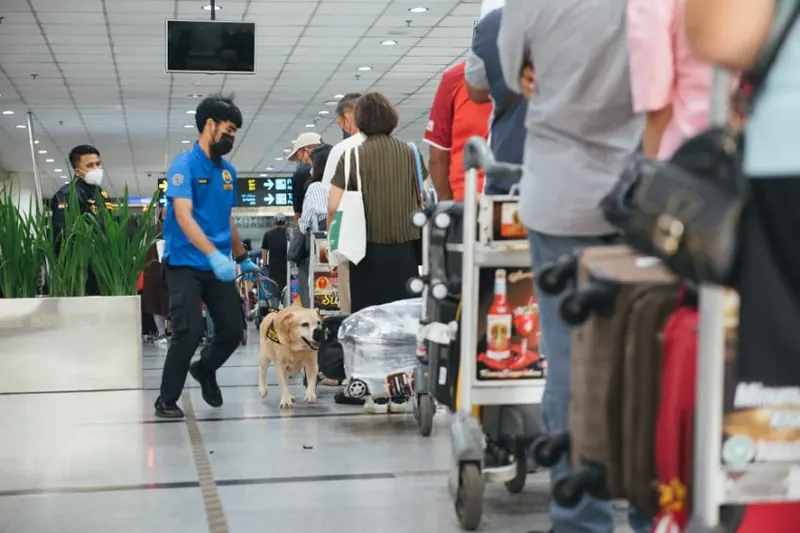
Indonesia's Directorate General of Customs and Excise (DJBC) said the Joint Patrol to Eradicate the Narcotics Chain (PATMA BERANI) 2026 operation produced 140 cases of illegal trafficking in narcotics, psychotropic substances and precursors (NPP). According to SINDOnews, the operation was held simultaneously across Indonesia from 16 September to 16 October 2026 and seized 1,701.51 kilograms, or about 1.7 tonnes, of evidence.
The results are expected to protect 8.4 million people from the risk of narcotics abuse and reduce potential socio-economic losses of Rp13.516 trillion (about US$820 million). The volume seized rose 101% compared with the 2025 operation.
Netty Hartawati, head of the Customs Sub-directorate for Public Relations and Outreach, said cross-agency cooperation and joint analysis were decisive in the operation's success, adding that the strategy made monitoring more targeted.
The role of Customs in the narcotics supply chain
DJBC operates under the Ministry of Finance and supervises goods entering and leaving Indonesia's customs territory. In narcotics cases, it acts as a gatekeeper at airports, seaports, free trade zones, and cargo and postal routes. That role differs from the Indonesian National Police (Polri) and the National Narcotics Agency (Badan Narkotika Nasional, BNN), which focus more on investigation, enforcement and rehabilitation inside the country.
NPP is a common enforcement term because narcotics, psychotropic substances and precursors are linked to production and distribution chains. Narcotics and psychotropic substances are strictly regulated, while precursors are materials that can be processed into banned substances. Monitoring therefore targets not only finished drugs but also chemicals, packaging, routes and suspicious transaction patterns.
Joint patrol operations are often used because smuggling is rarely carried out by one person. Transnational narcotics networks exploit gaps at small ports, fishing boats, informal package-carrying services and false shipping documents. Joint analysis helps authorities combine passenger data, cargo manifests, shipping histories and intelligence so physical checks do not rely on chance. Cross-agency synergy is also important to ensure evidence, suspects and networks uncovered can be processed according to each agency's authority.
At policy level, NPP eradication also involves prevention, rehabilitation and law enforcement. Customs does not work alone; cases uncovered at entry points are usually followed up by investigators with the relevant authority. The quality of coordination determines whether operations lead to standalone arrests or cut longer chains. The public should also understand that not all findings come from official channels, because much monitoring targets constantly changing smuggling methods.
As an archipelagic country, Indonesia faces geographic challenges that make supervision complex. Many alternative entry points must be monitored in rotation by field officers. Success is therefore not measured only by the number of cases, but also by the ability to close recurring gaps and keep trade flows safe. In Indonesia's constitutional system, NPP eradication policy also involves the functions of the House of Representatives (DPR) in legislation, budgeting and oversight of the government.
Impact on shipments and public health
For the public, operations of this kind affect the security of goods passing through seaports and airports. Parcel deliveries, passenger baggage and informal package-carrying services may face stricter checks when authorities increase supervision. For export-import businesses, more disciplined procedures require accurate documents so legal shipments are not disrupted by smuggling methods that damage the reputation of official channels.
The broader impact relates to public health. Preventing narcotics from entering the country can reduce the potential for addiction, crime and social costs. Eradication is not only about catching couriers; it also protects young people, families and workforce productivity. In the future, public vigilance against offers to carry goods, instant jobs and packages with unclear origins will be an important part of prevention.
For general readers, the signal to watch is a shift in monitoring patterns. When joint operations increase, the public may see more checks at airports, seaports and post offices. This does not mean all goods are suspected, but it shows that legal channels must be more orderly. Residents who regularly send goods between islands or countries should make sure package contents match documents and avoid accepting items for delivery without inspection.
Related news
- The People's Consultative Assembly (MPR) schedules vice presidential election to replace Gibran on 2 December 2026
- Irfan Maulana leads SP JICT for 2026–2029 with focus on port transformation
- Fahira Idris backs Sufmi Dasco Ahmad as vice president